Downfall
(2024)
When we speak of ‘the end of the world’ what we invariably mean is the end of the human species. But in most of the scenarios we can imagine, the world will in large part carry on without us.
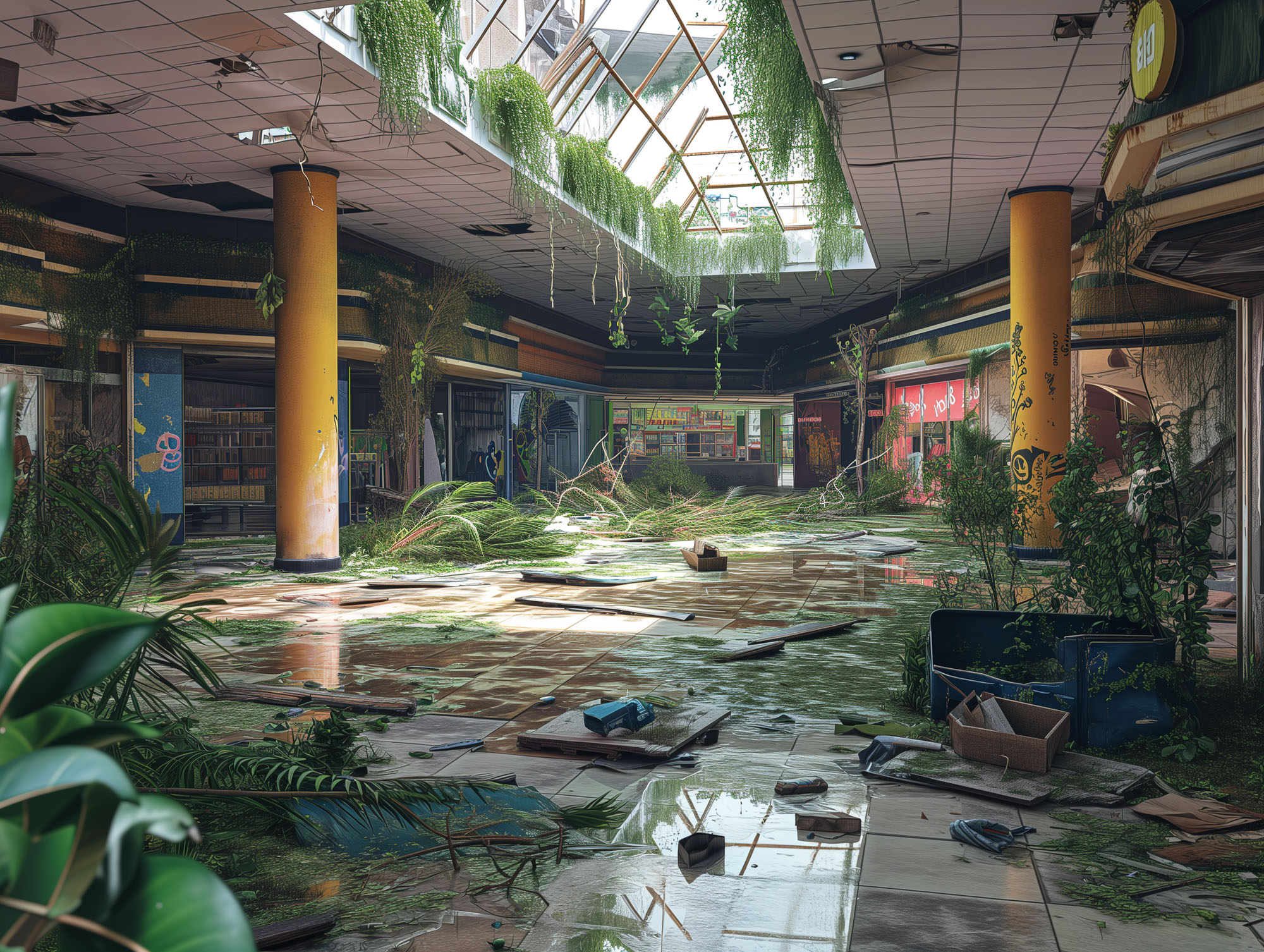
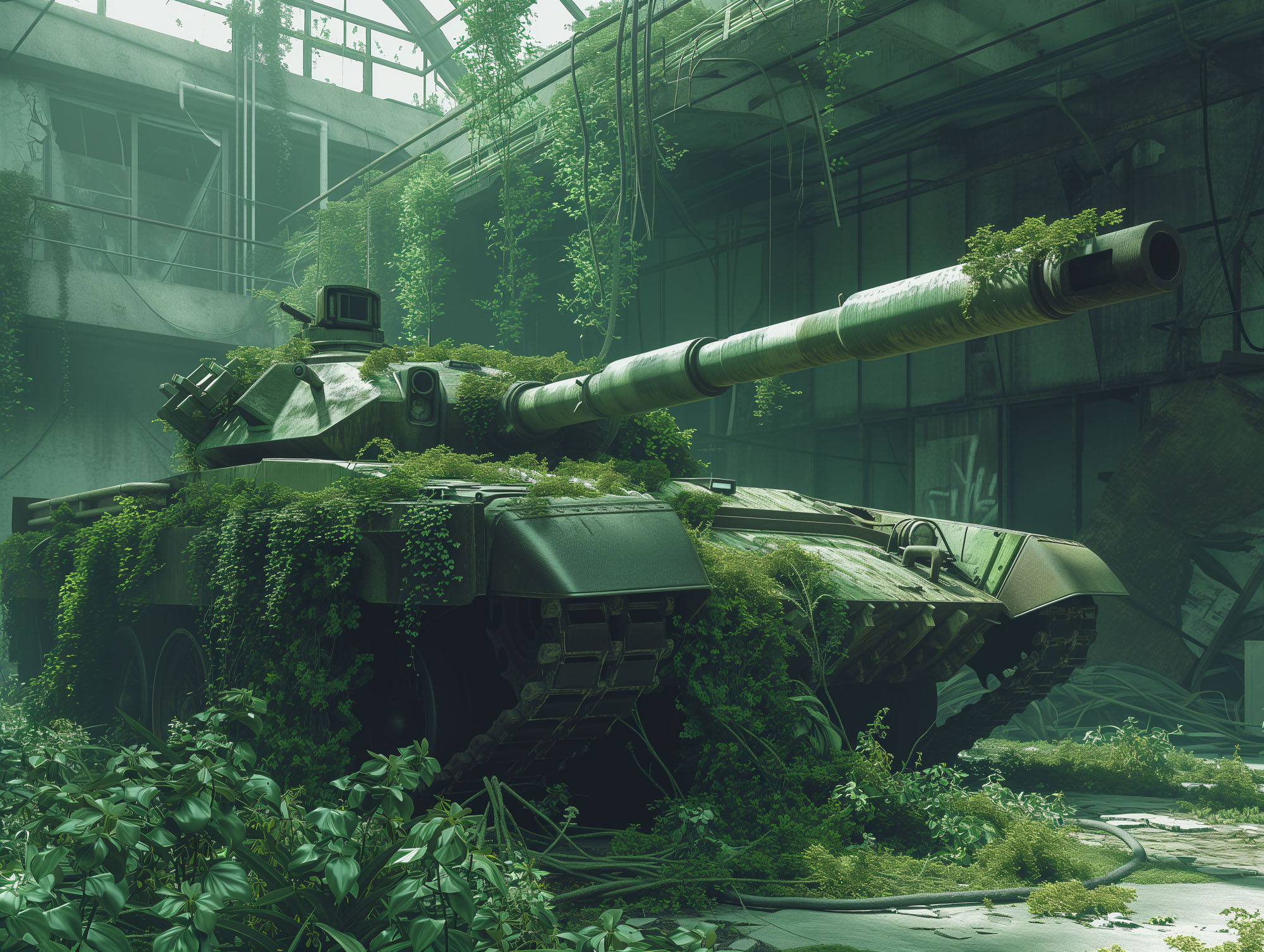
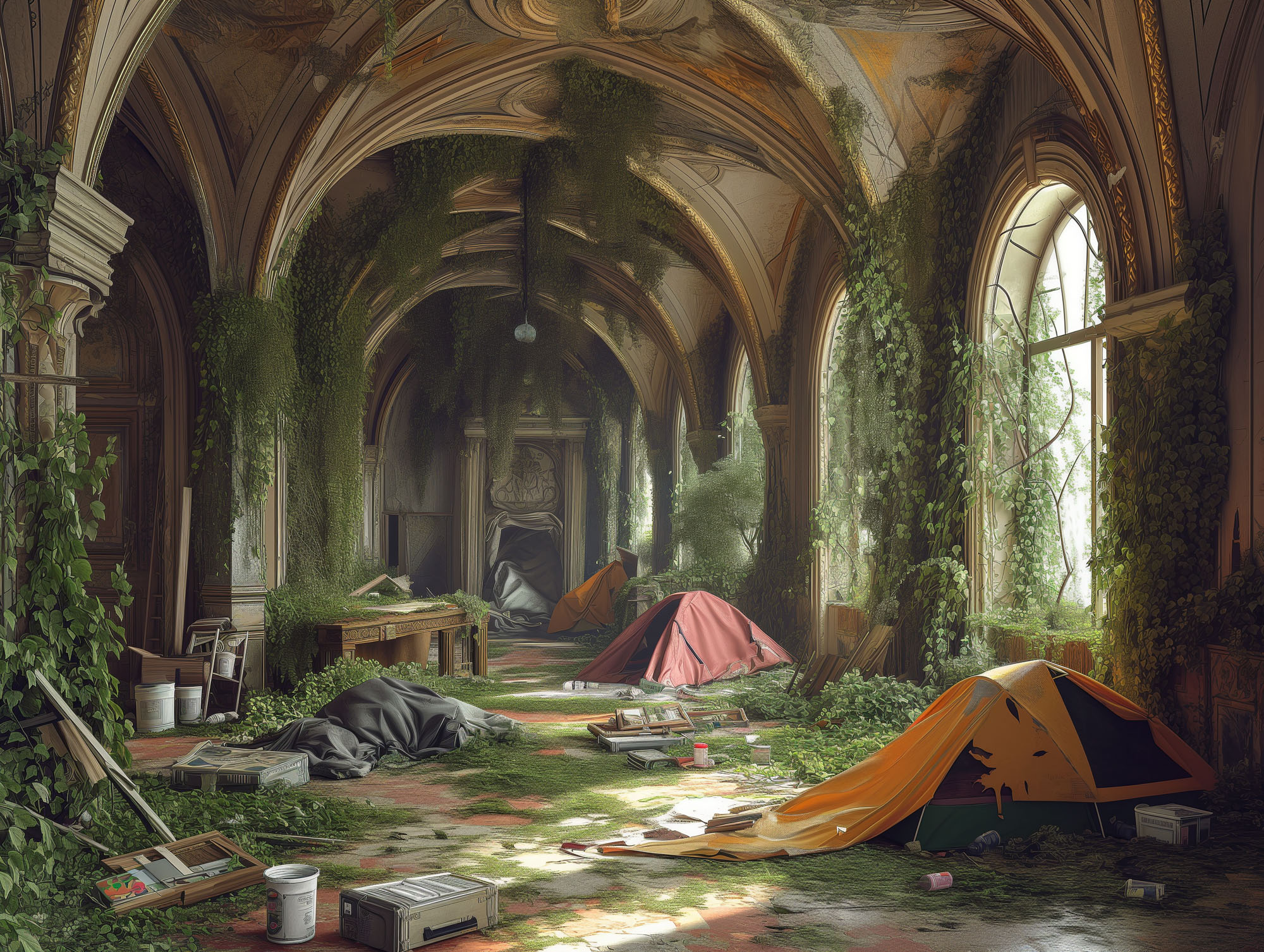
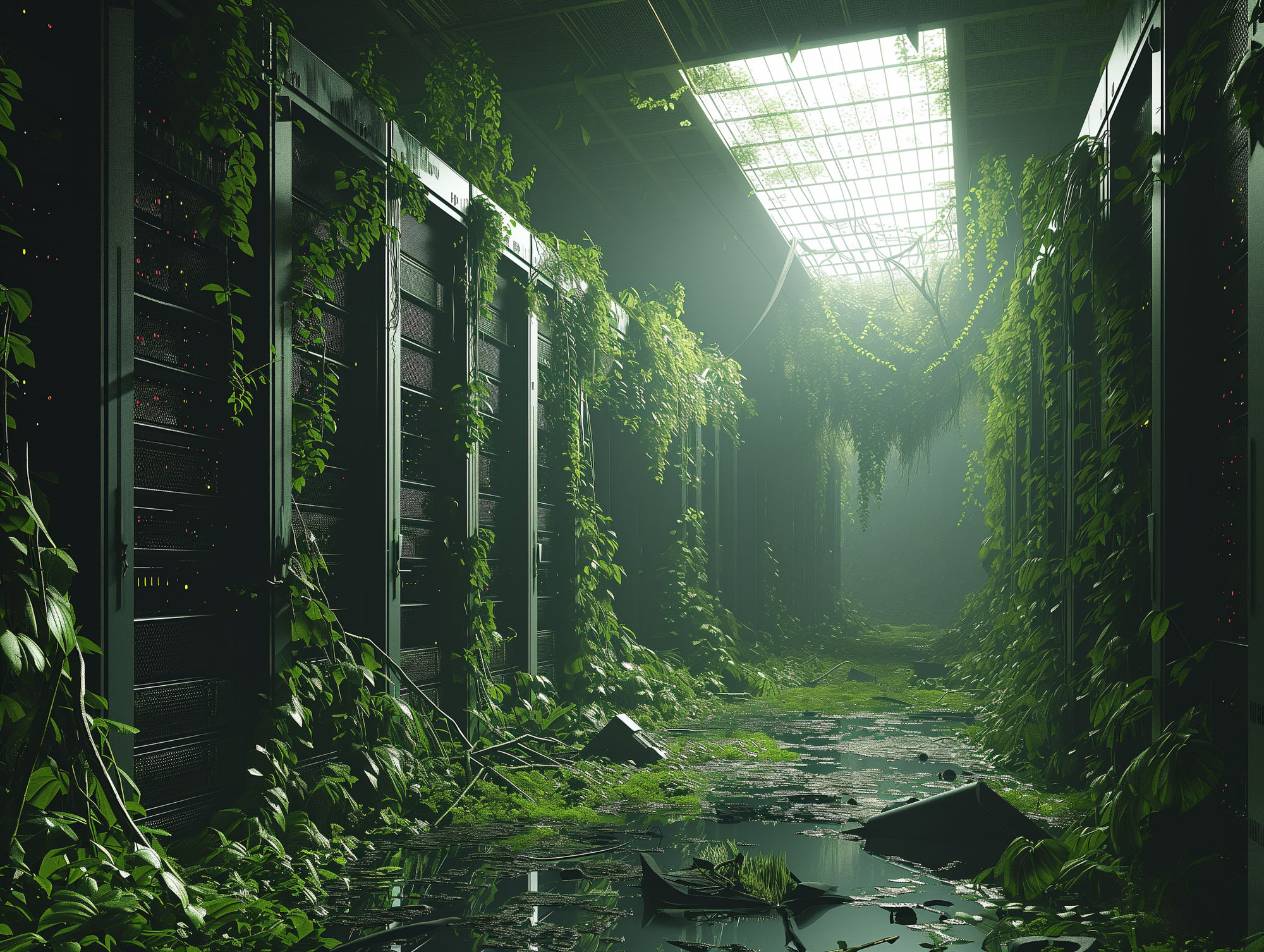
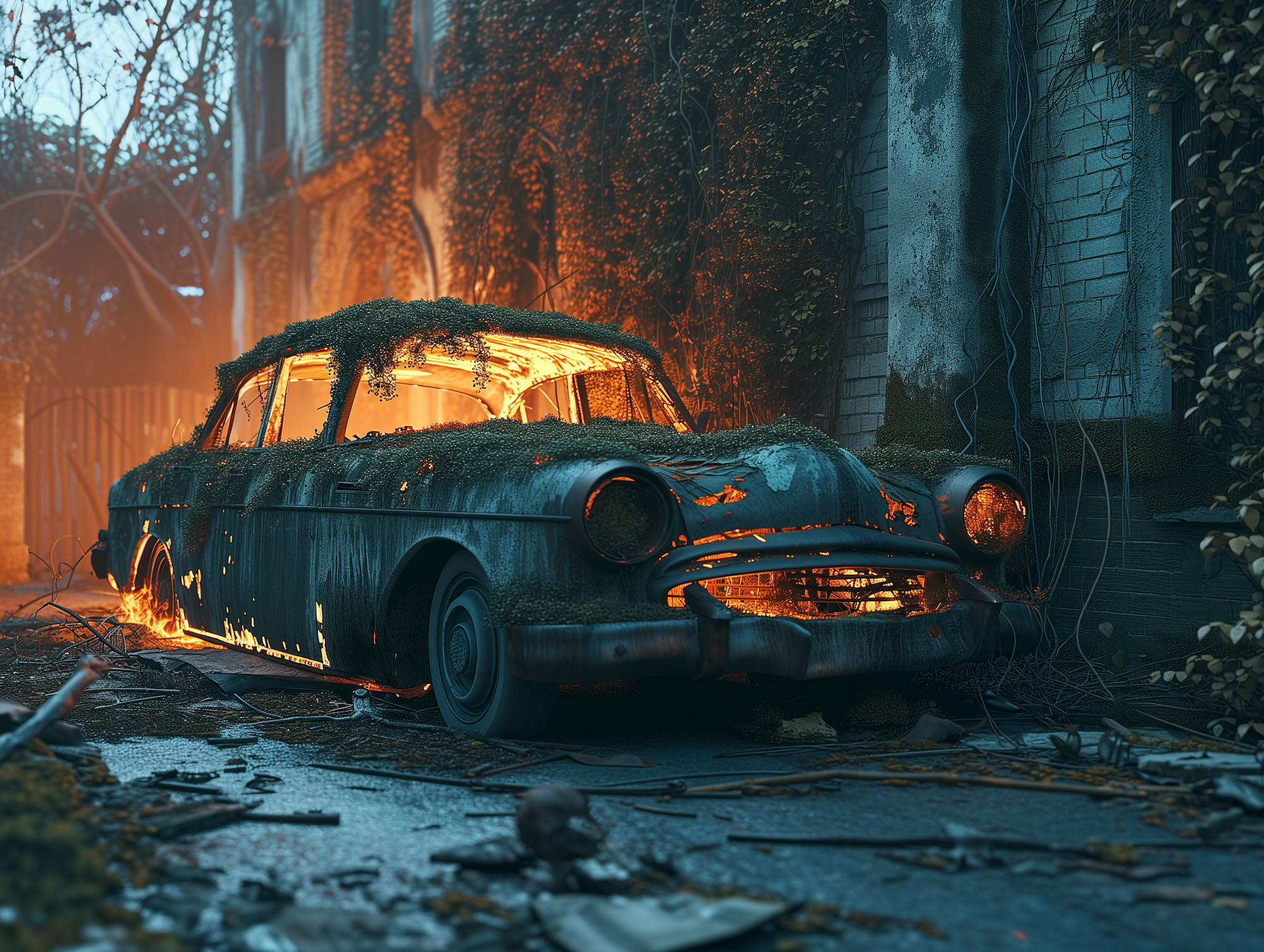
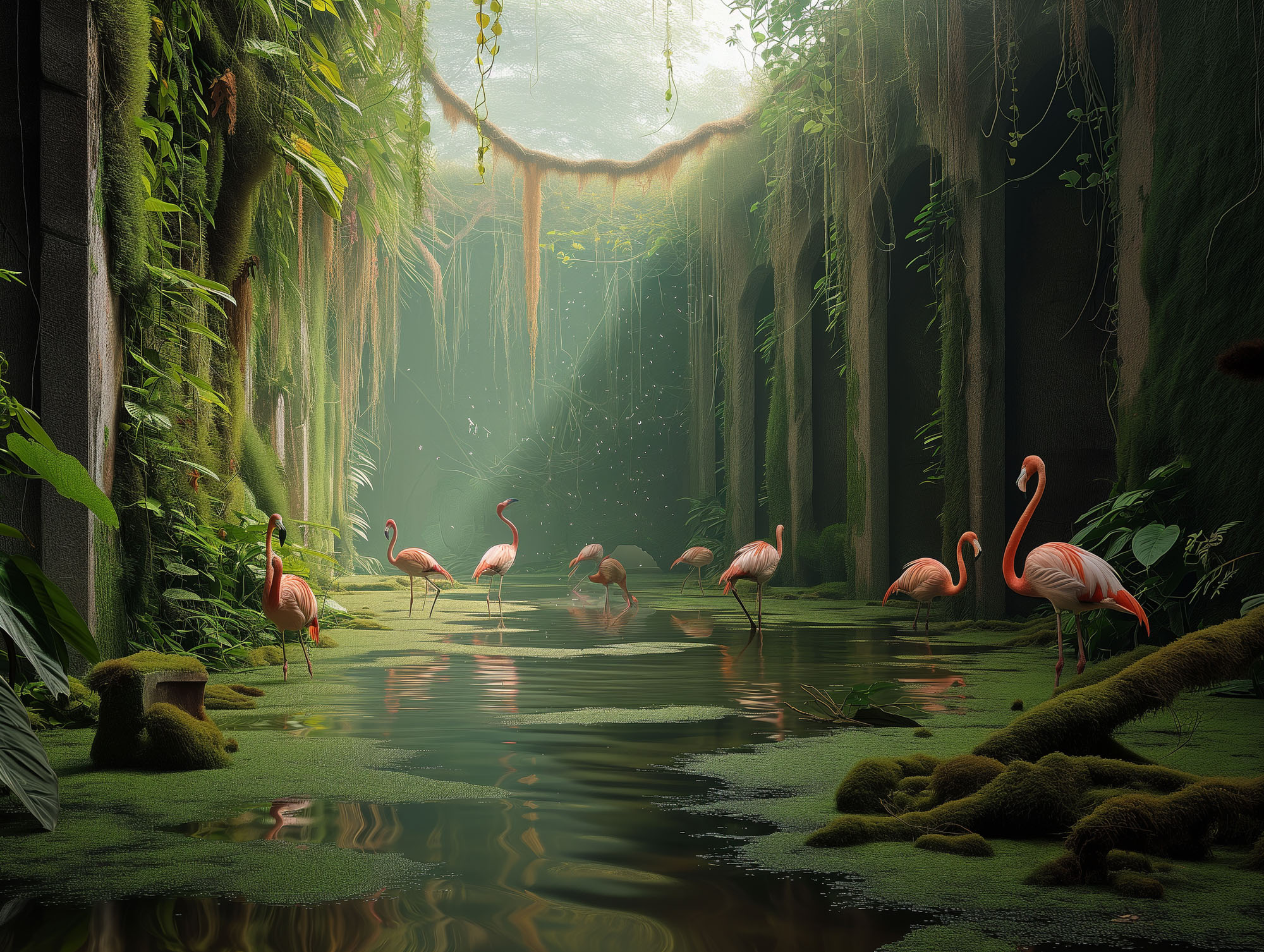
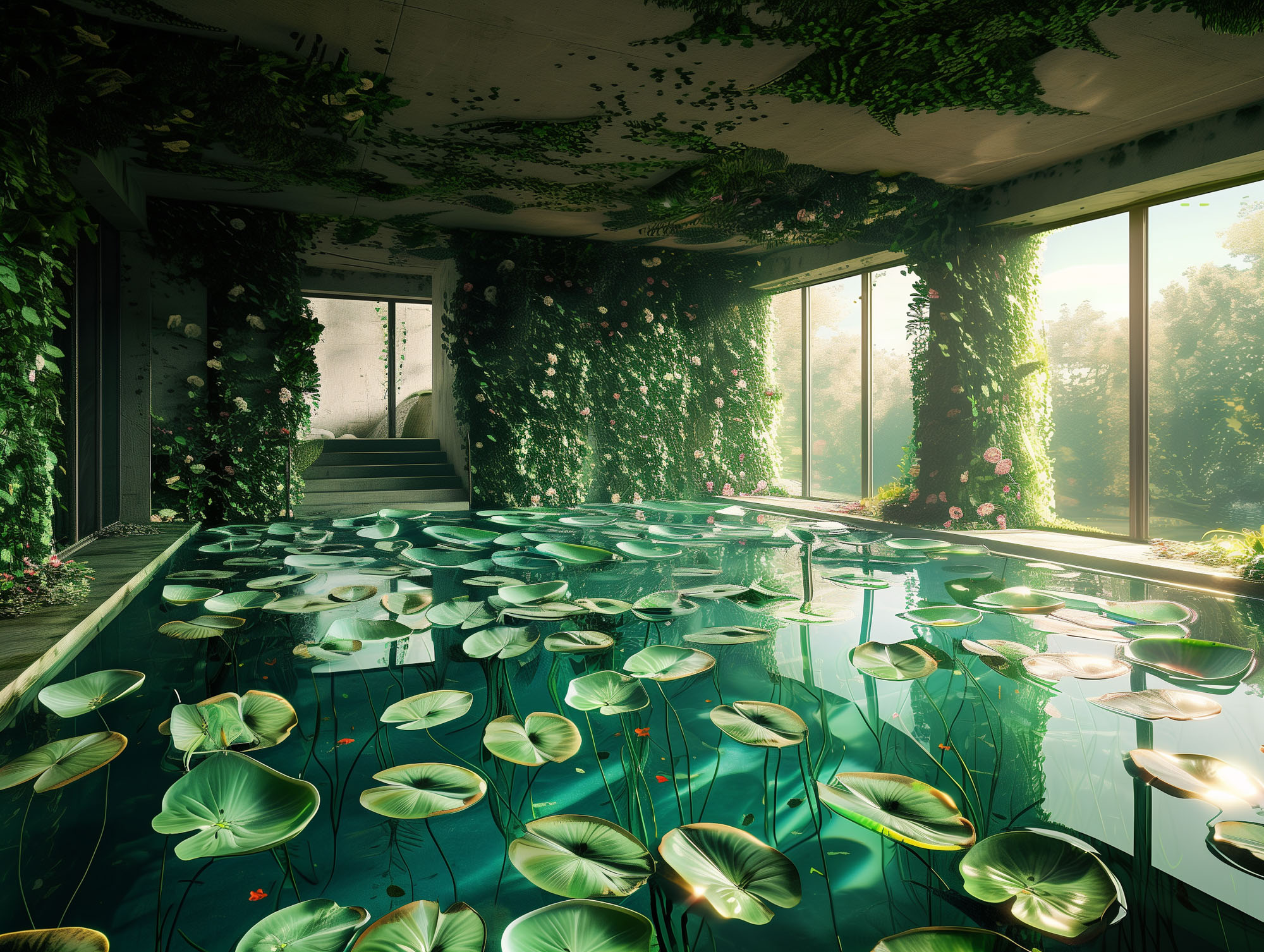
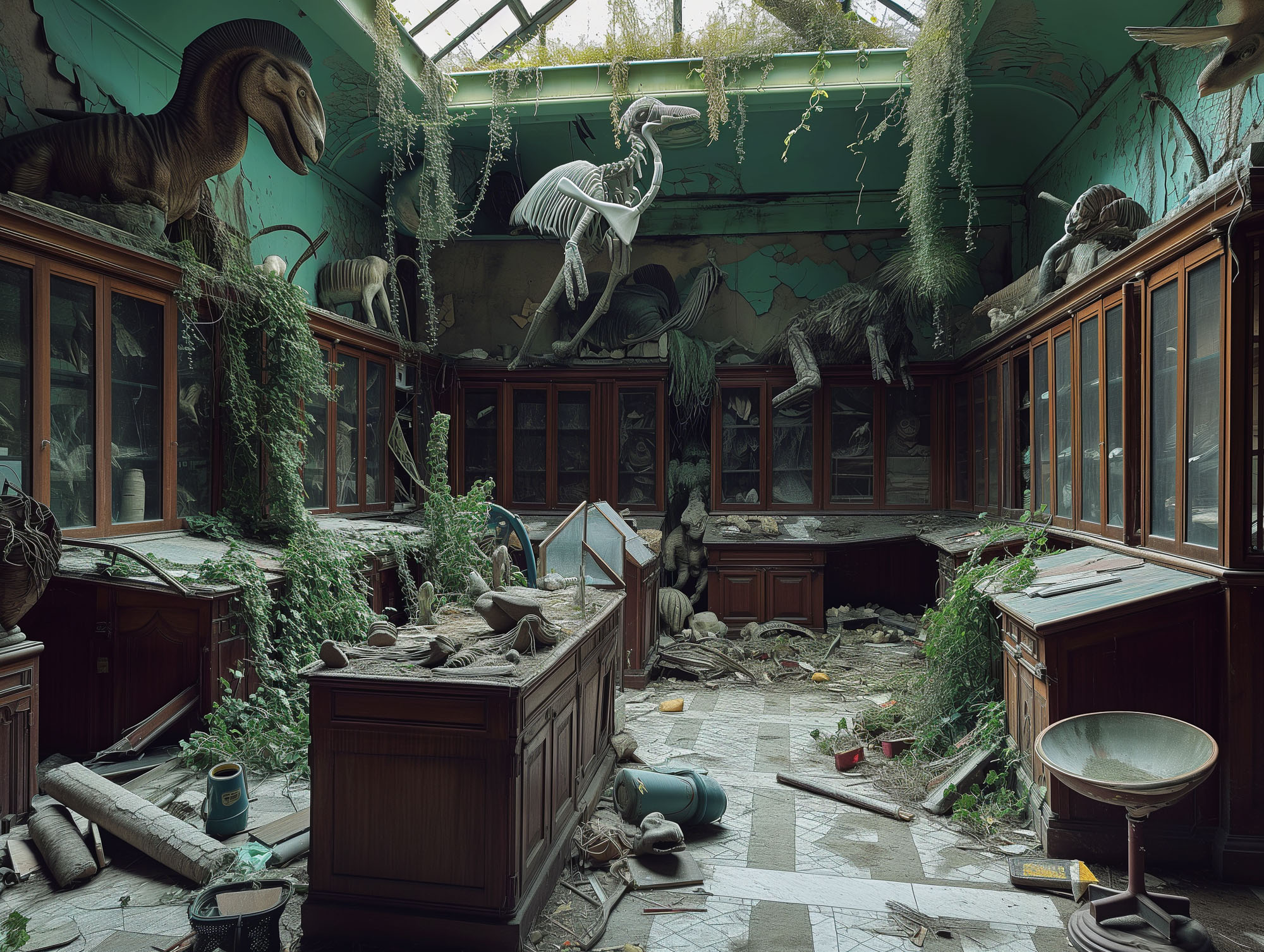
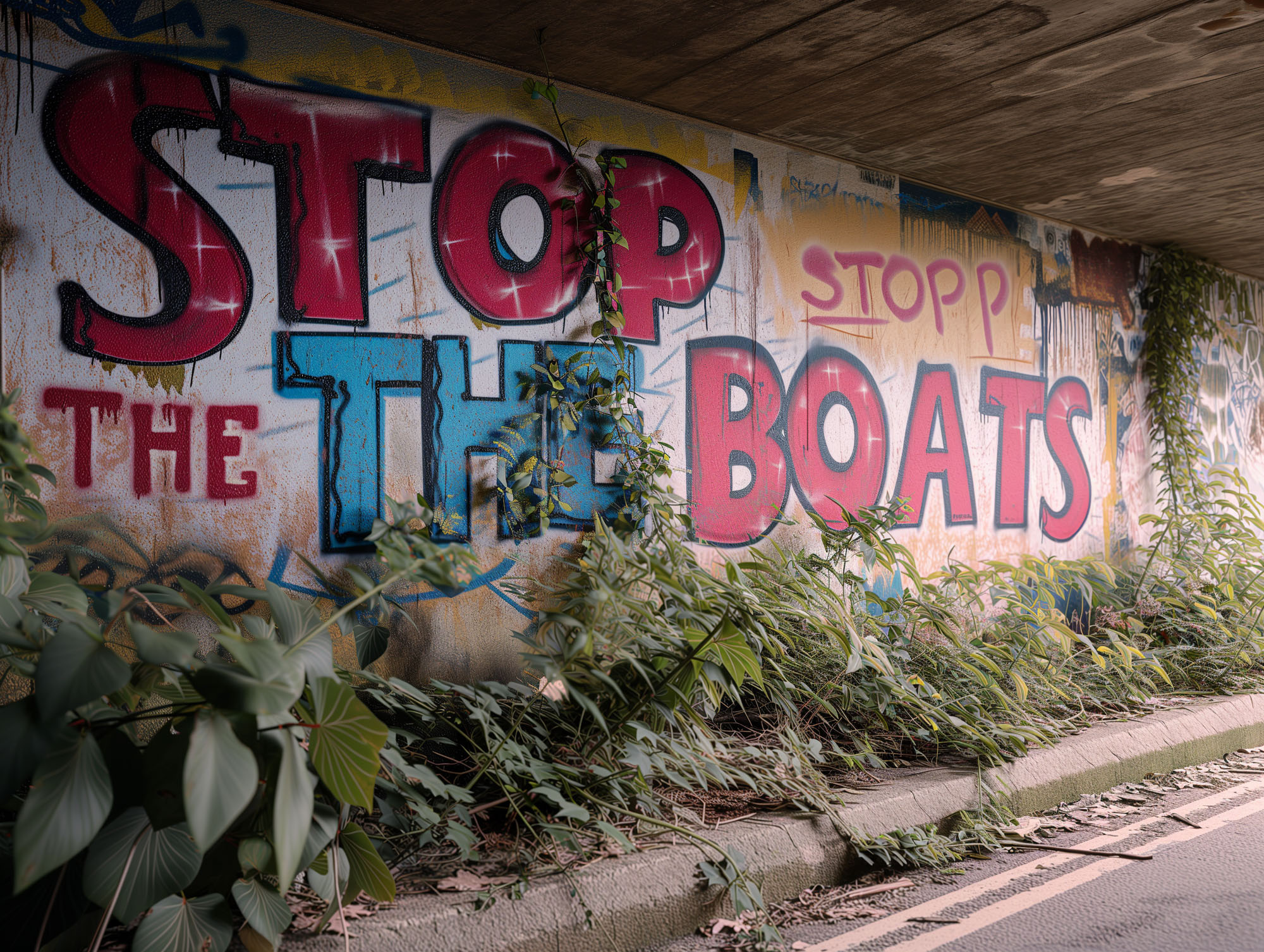
Downfall is an experiment in speculative documentary, which uses synthetic imagery and a non-linear narrative to explore what the world after humankind might look like, and what forces might bring our demise about. Taking the part of a sole survivor, the reader chooses their own route through the abandoned ruins of London. Along the way some of the factors which led to the downfall of humankind are revealed, from climate change and political extremism, to technological hubris and authoritarianism. The choice based narrative means each read through is unique, and both the locations visited and the precise combination of factors which led to the fall of human civilisation changes each time the book is explored.
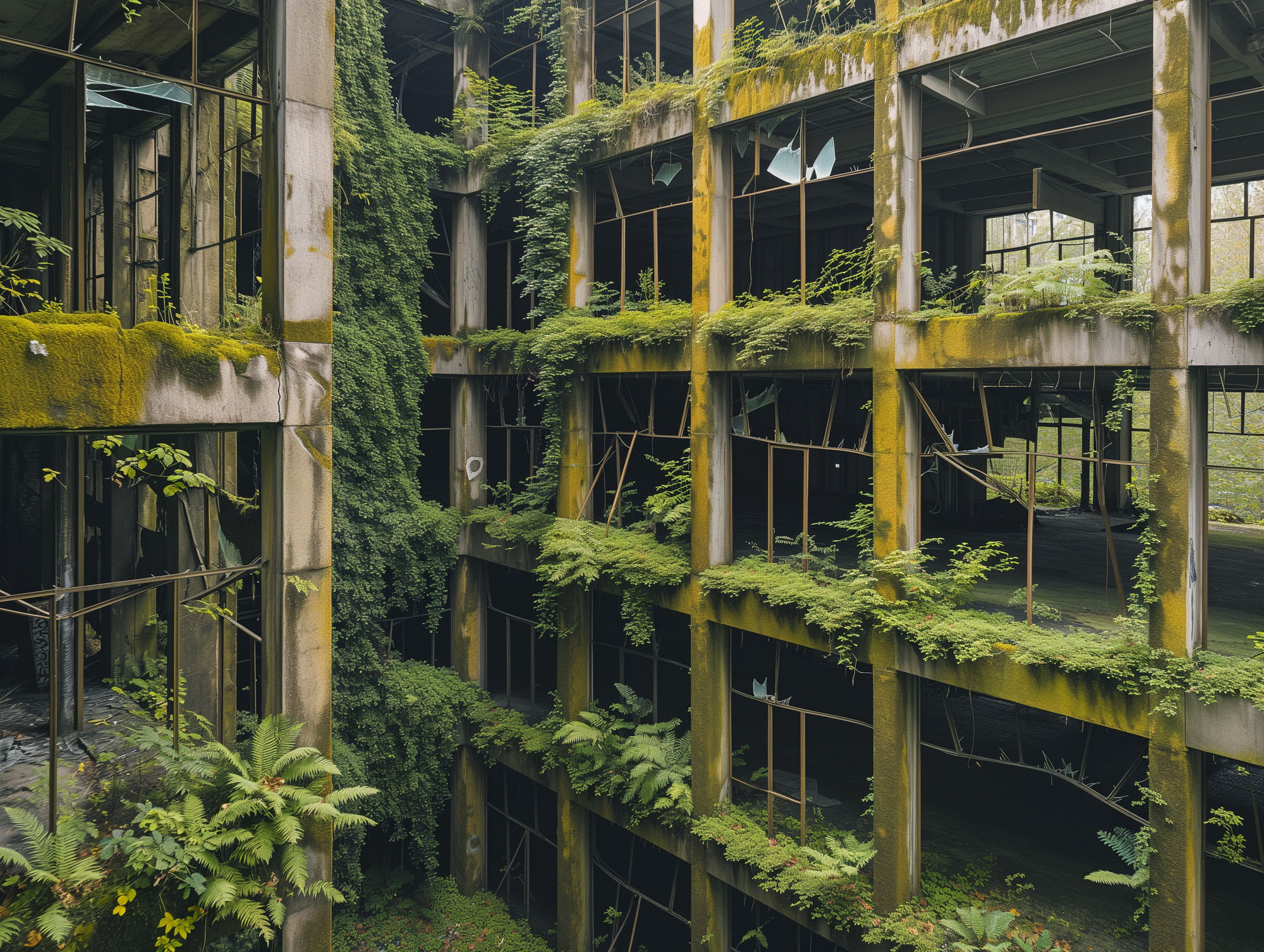
The book is inspired both by the rich seam of post-apocalyptic fiction, from Mary Shelley’s The Last Man (1826), to Richard Matheson’s I am Legend (1954), and is based on extensive research into real world post-human environments. These range from the exclusion zones of Fukushima and Chernobyl, to the demilitarised zones of Korea and Cyprus, with a focus on the ways nature has reclaimed urban spaces, and human traces have gradually decayed and disappeared.
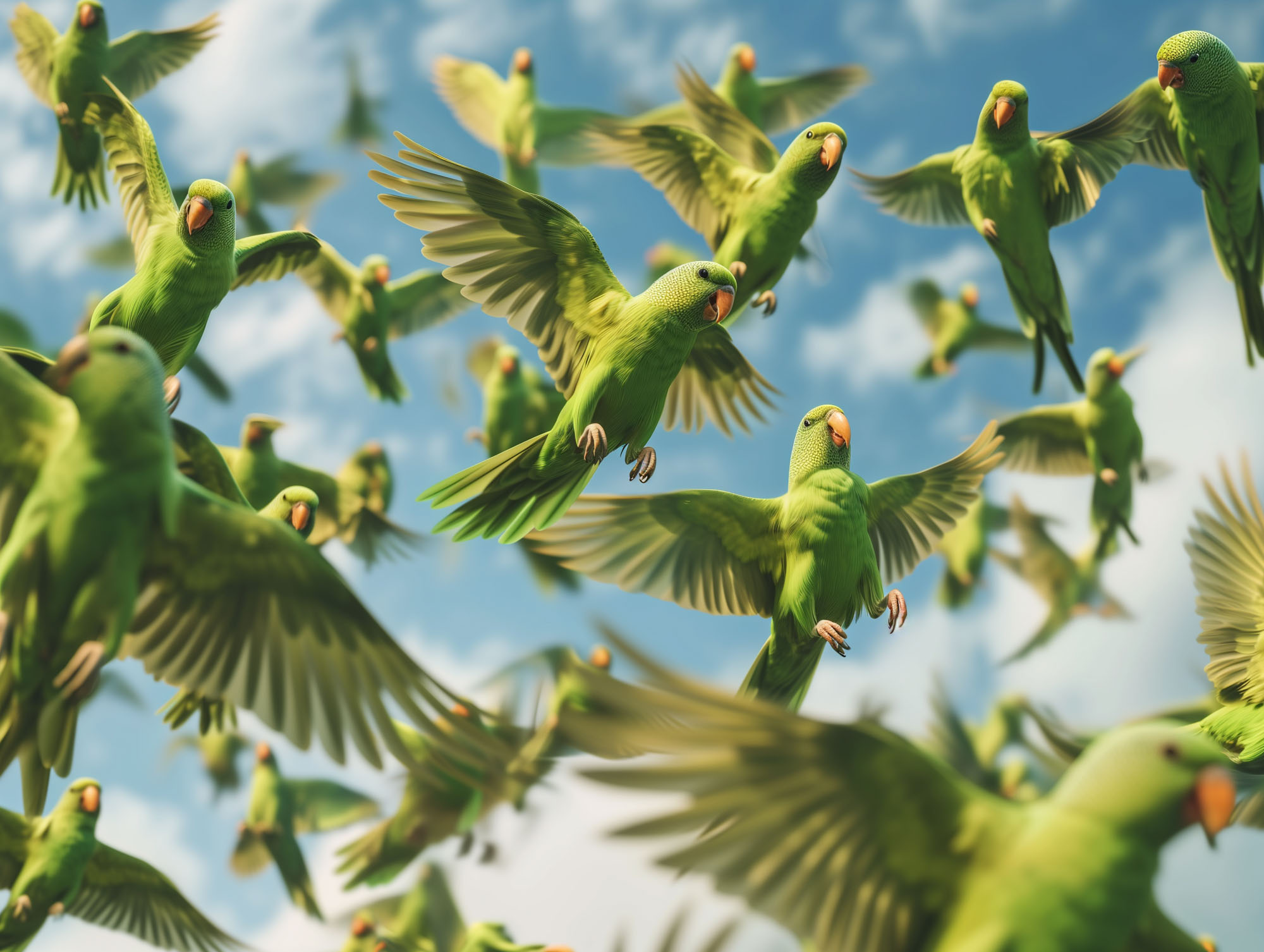
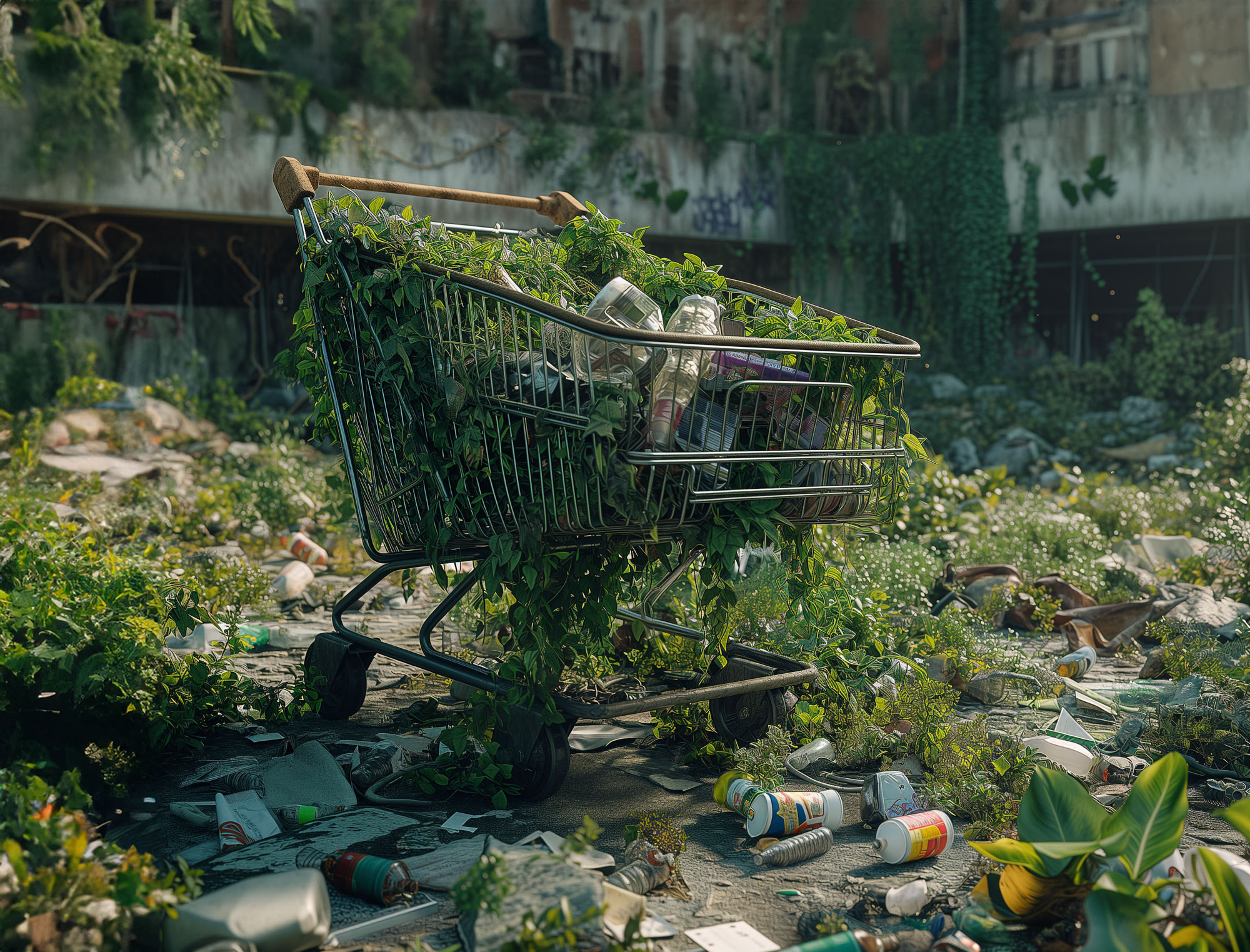
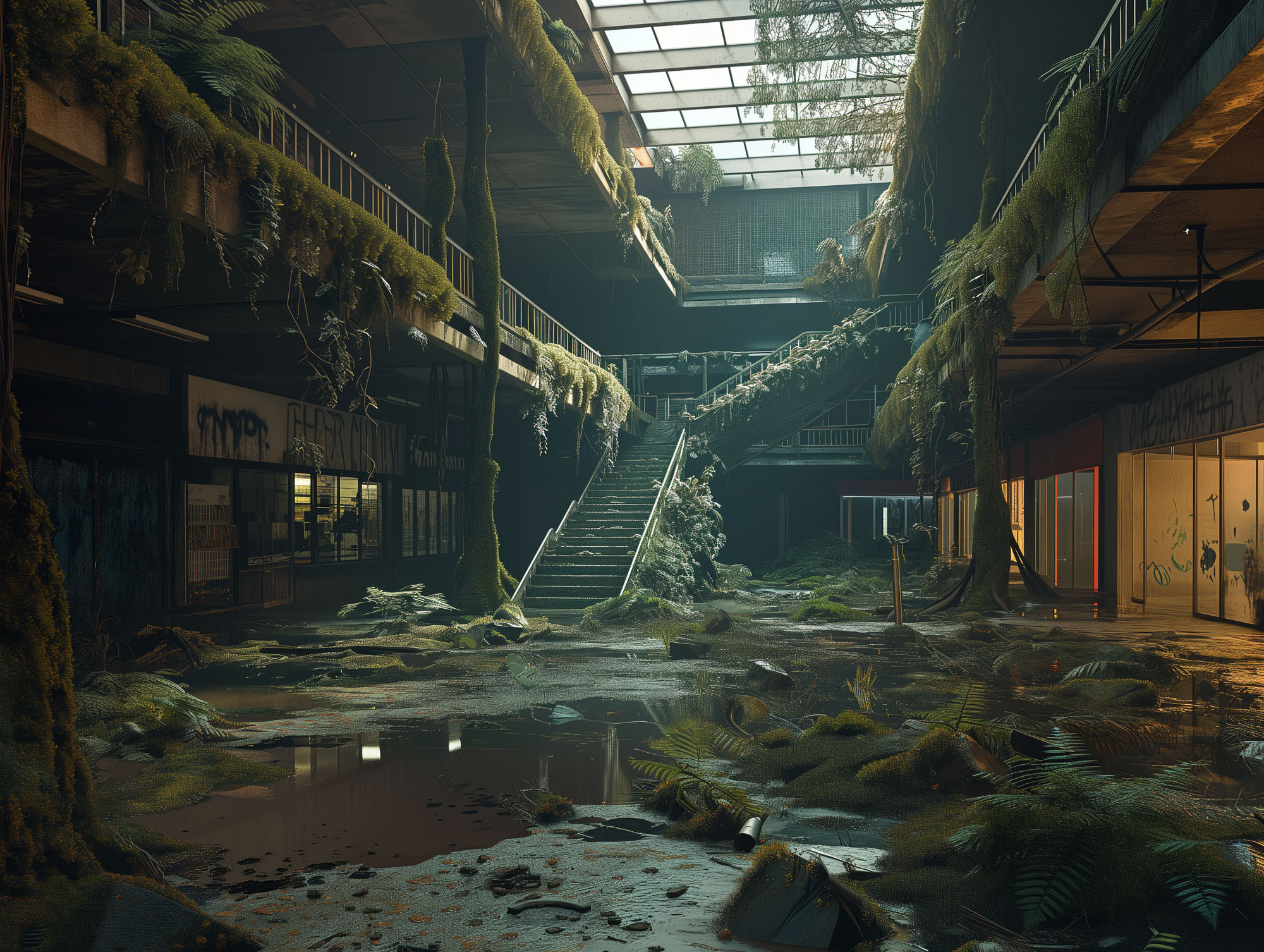
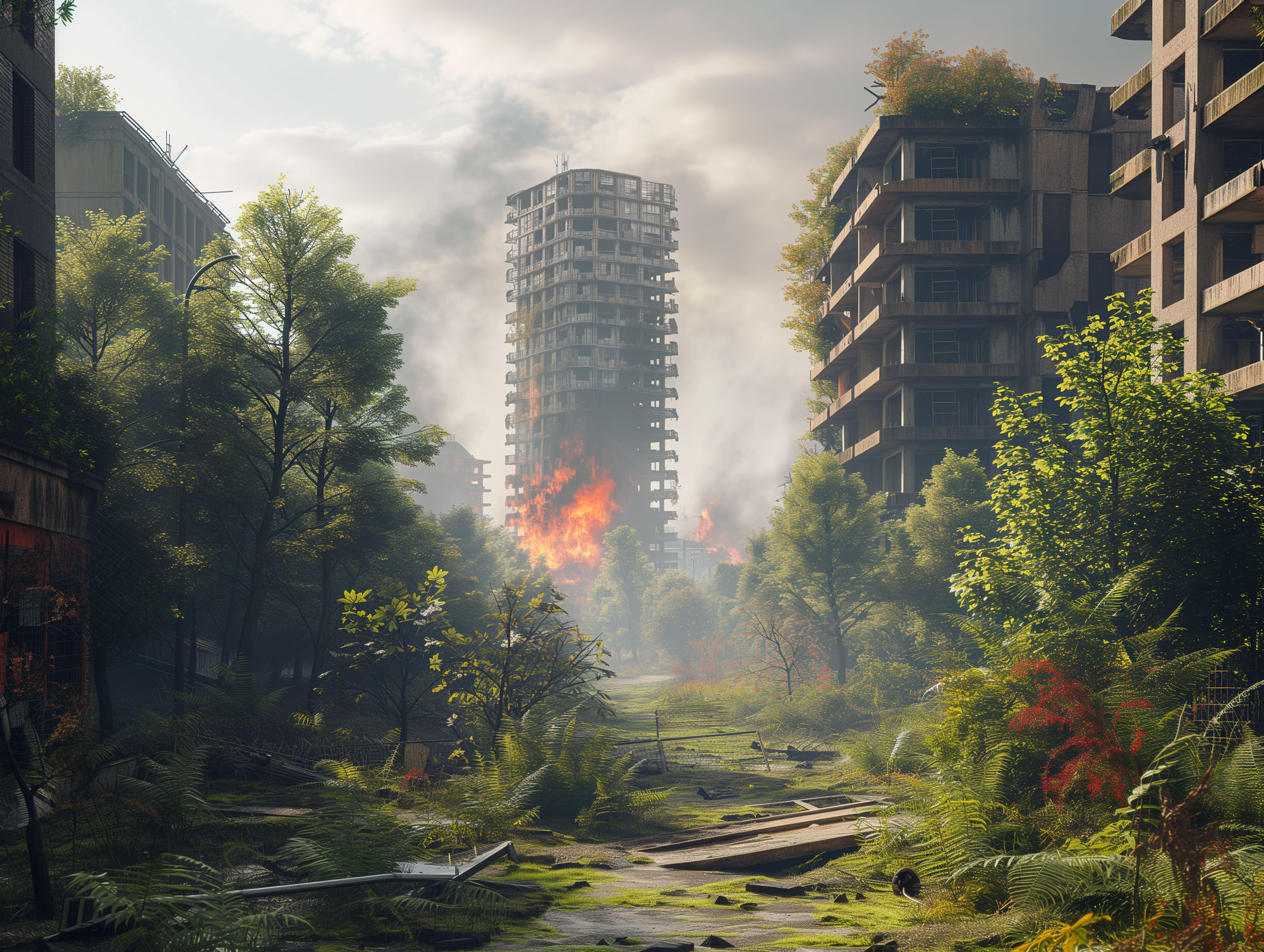
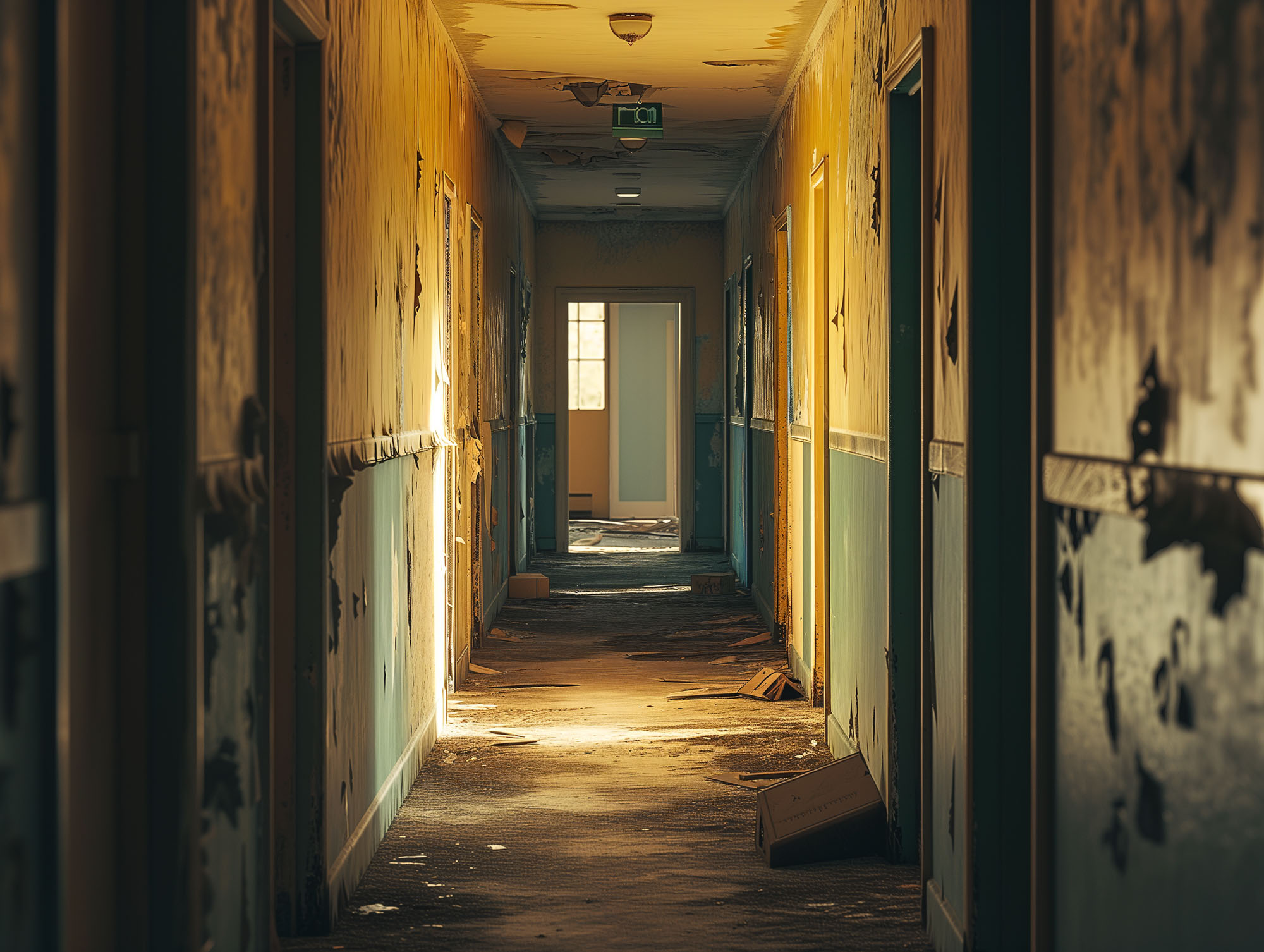
To illustrate this narrative, Downfall is illustrated using synthetic images, which show familiar landmarks of modernity overtaken by nature. In the books pages, animals roam abandoned supermarkets, roads are flooded by rivers which have escaped their culverts, and wildfires rages through financial districts in this speculative vision of our world’s possible future. The book concludes with an illustrated essay on the relationship between mazes, artificial intelligence, climate change, and illusions of choice.
View the Downfall photobook