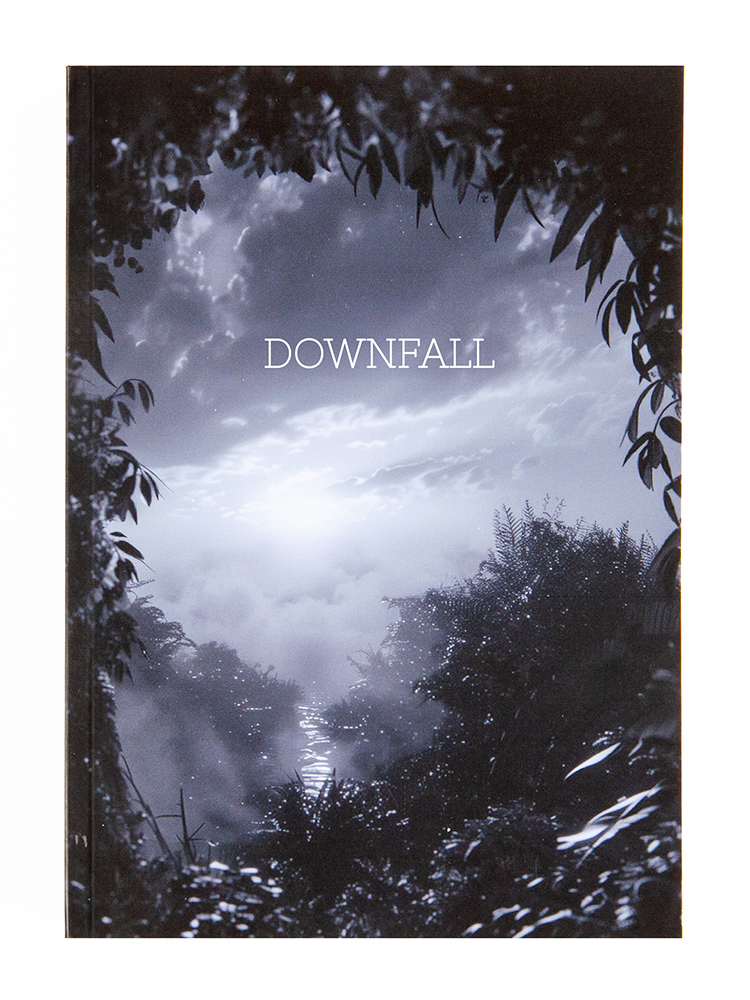
Using generative AI and a choice based narrative structure to imagine a world without humans as a result of unchecked climate change.
21×15 cm, 400 pages
Softcover
Unpublished maquette.

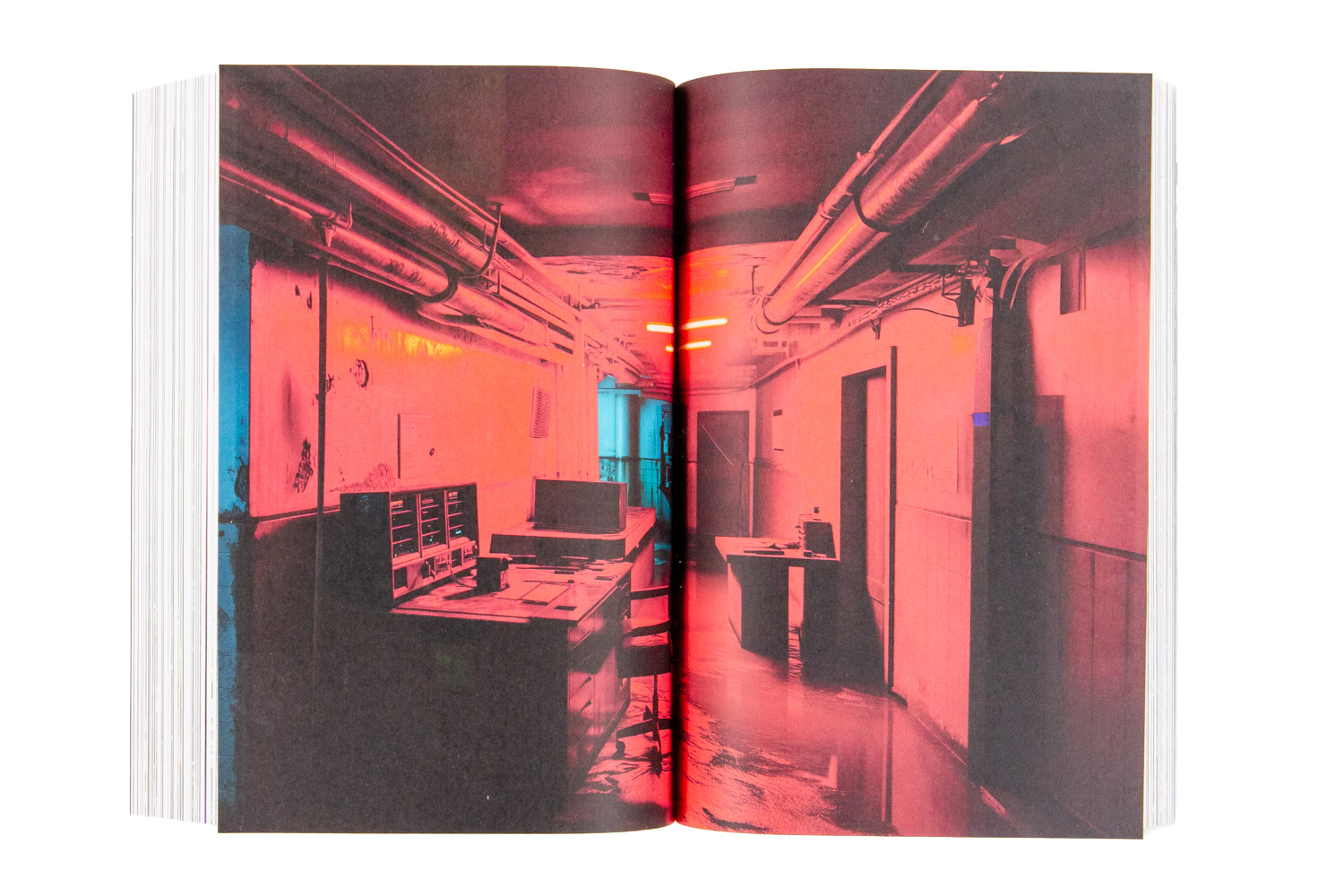
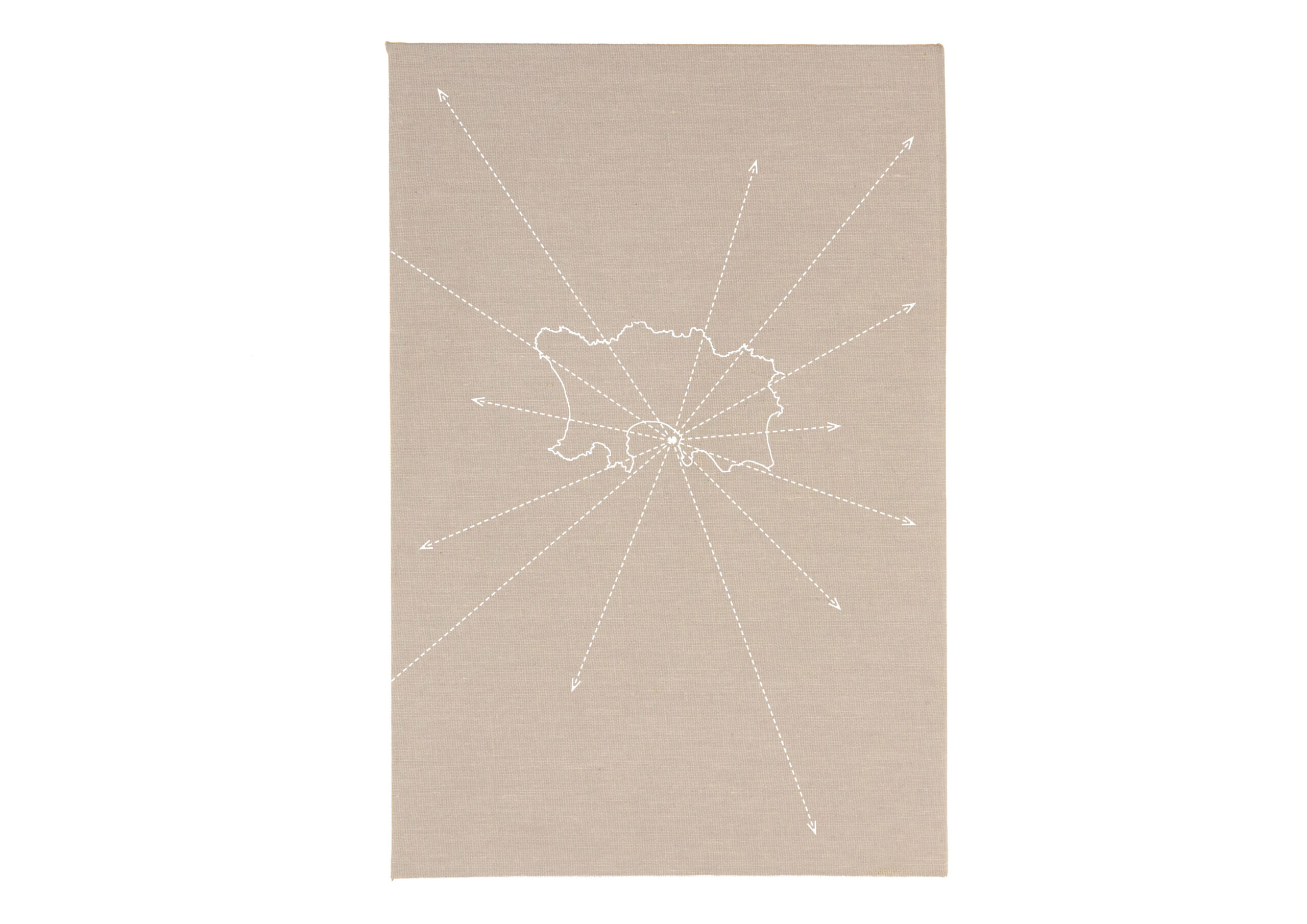
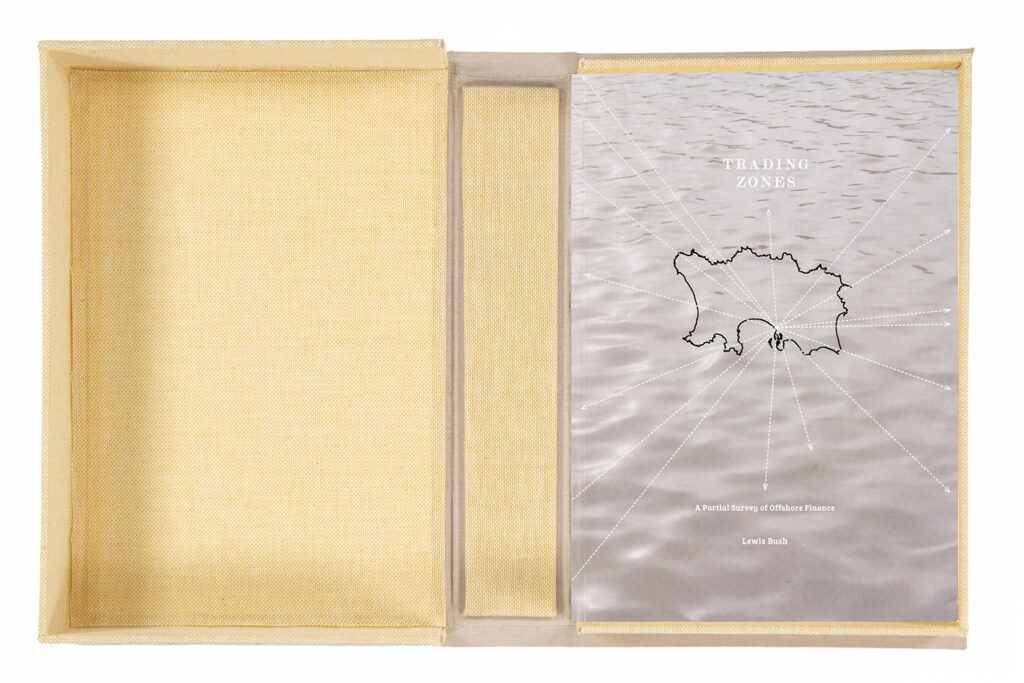
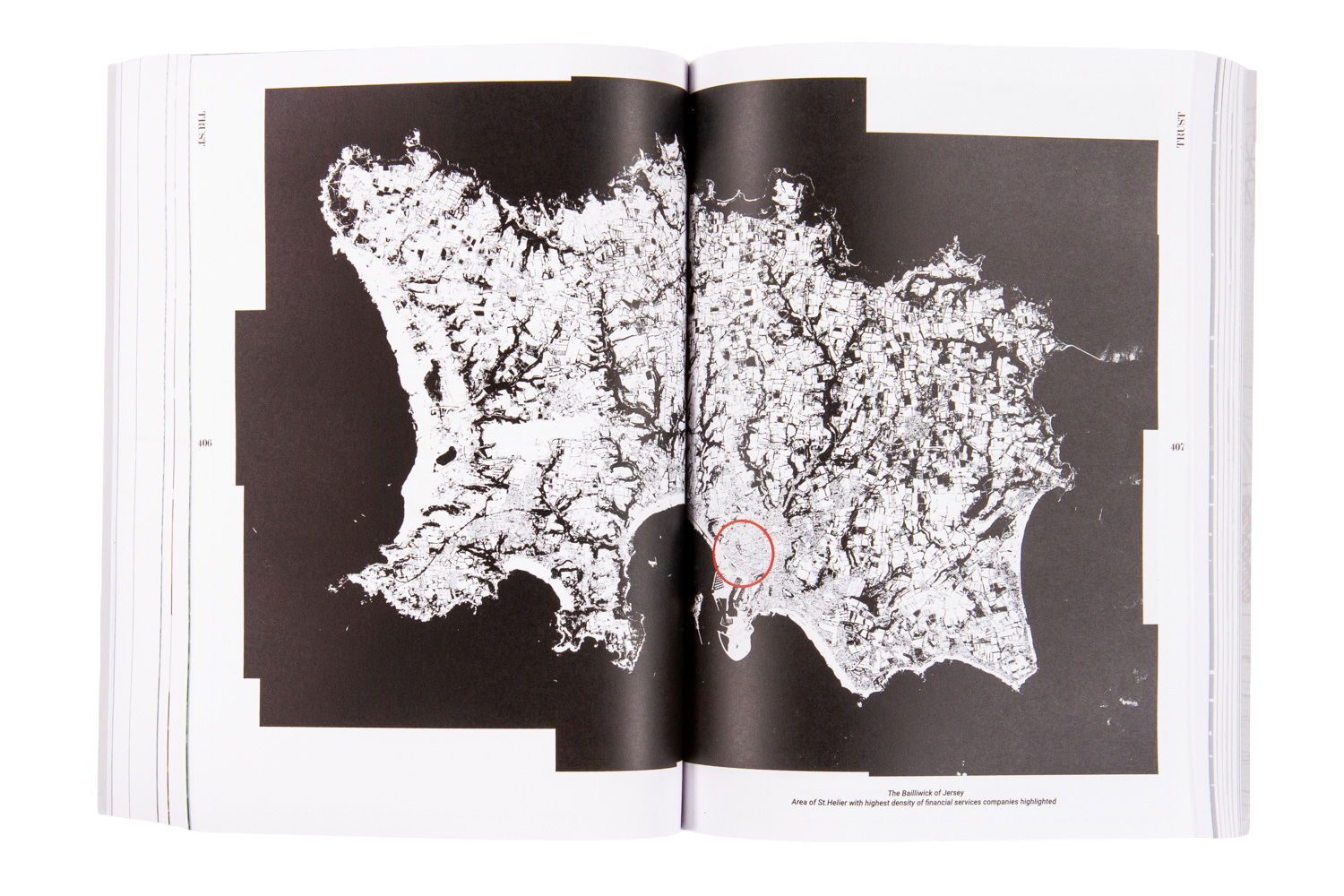
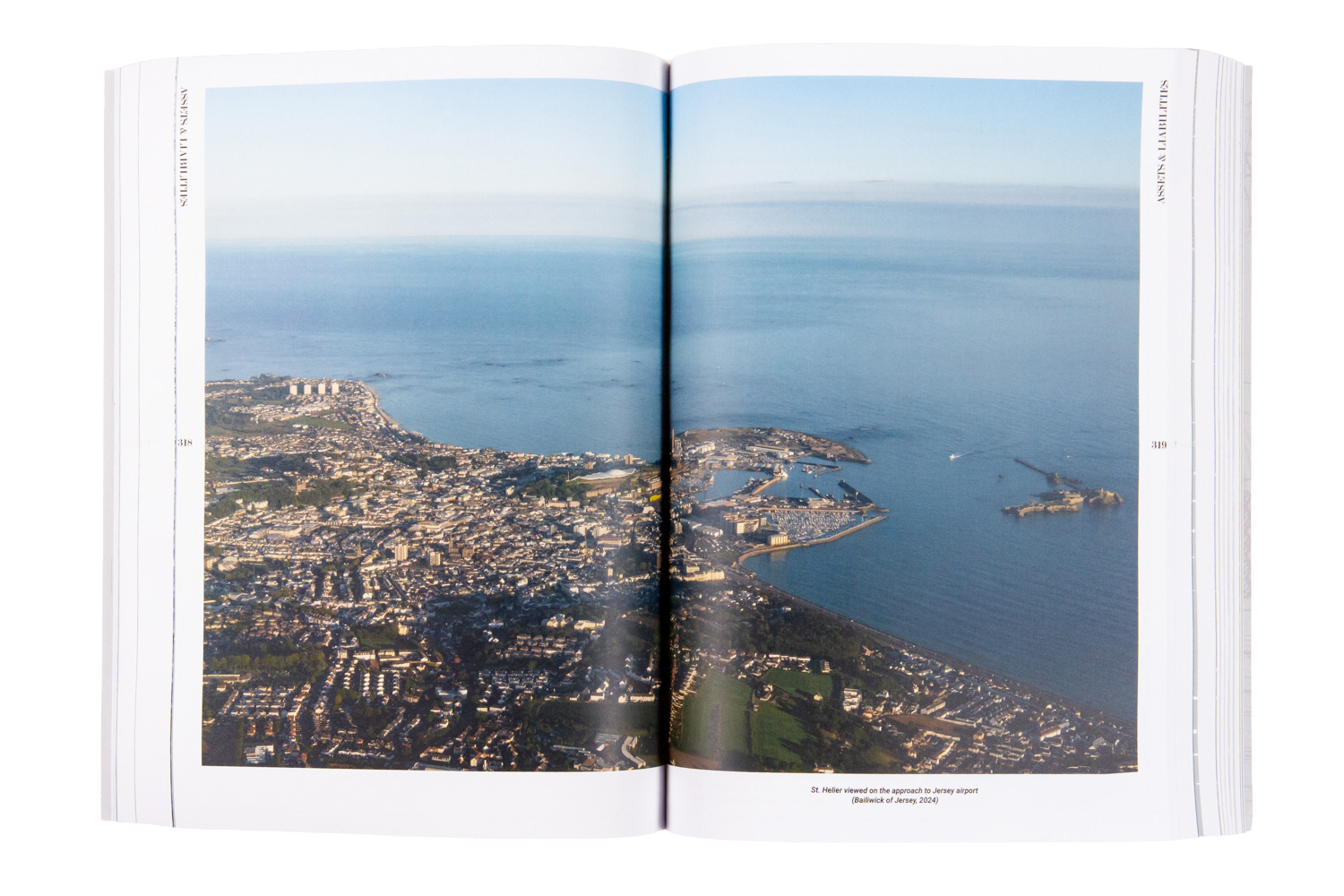
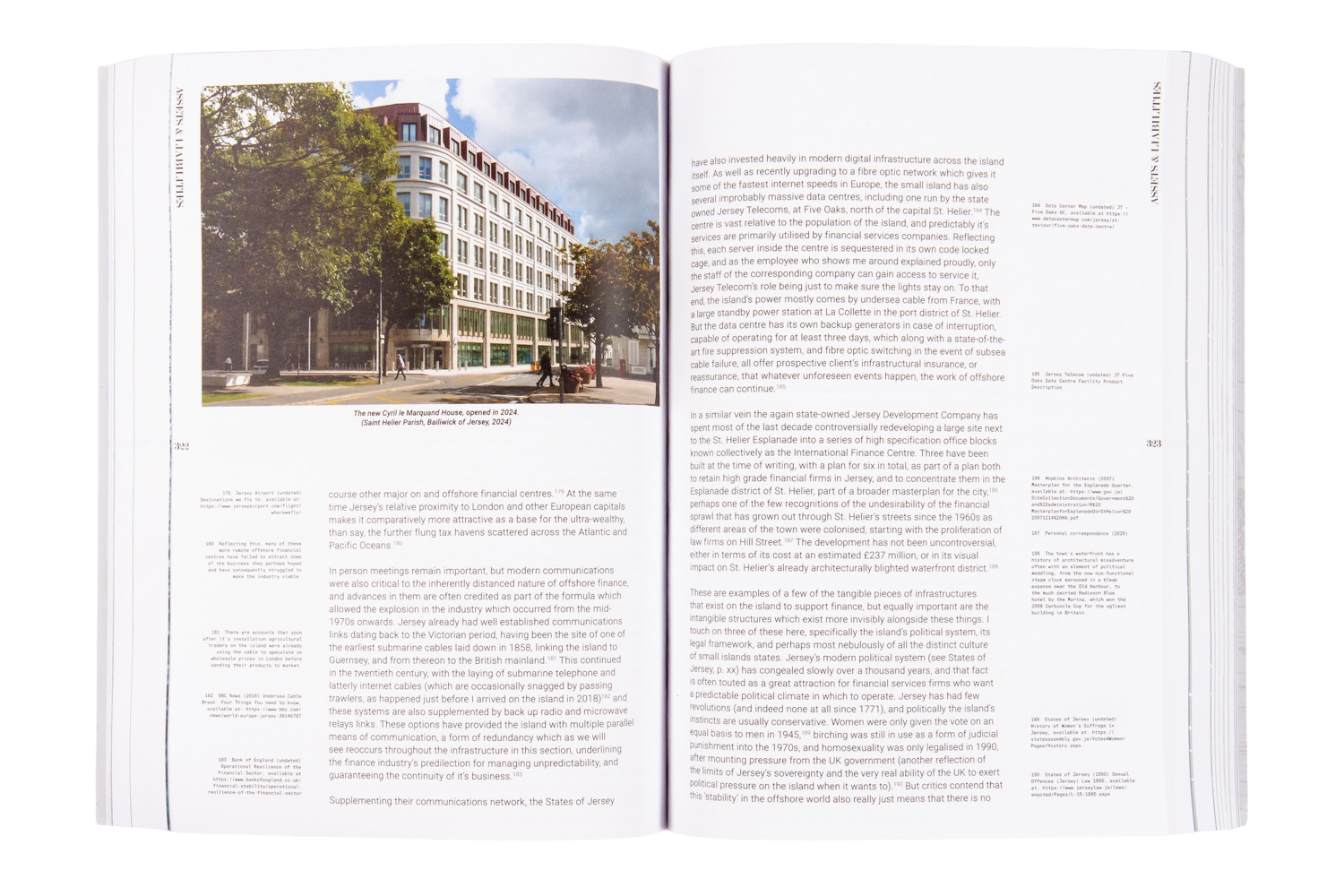
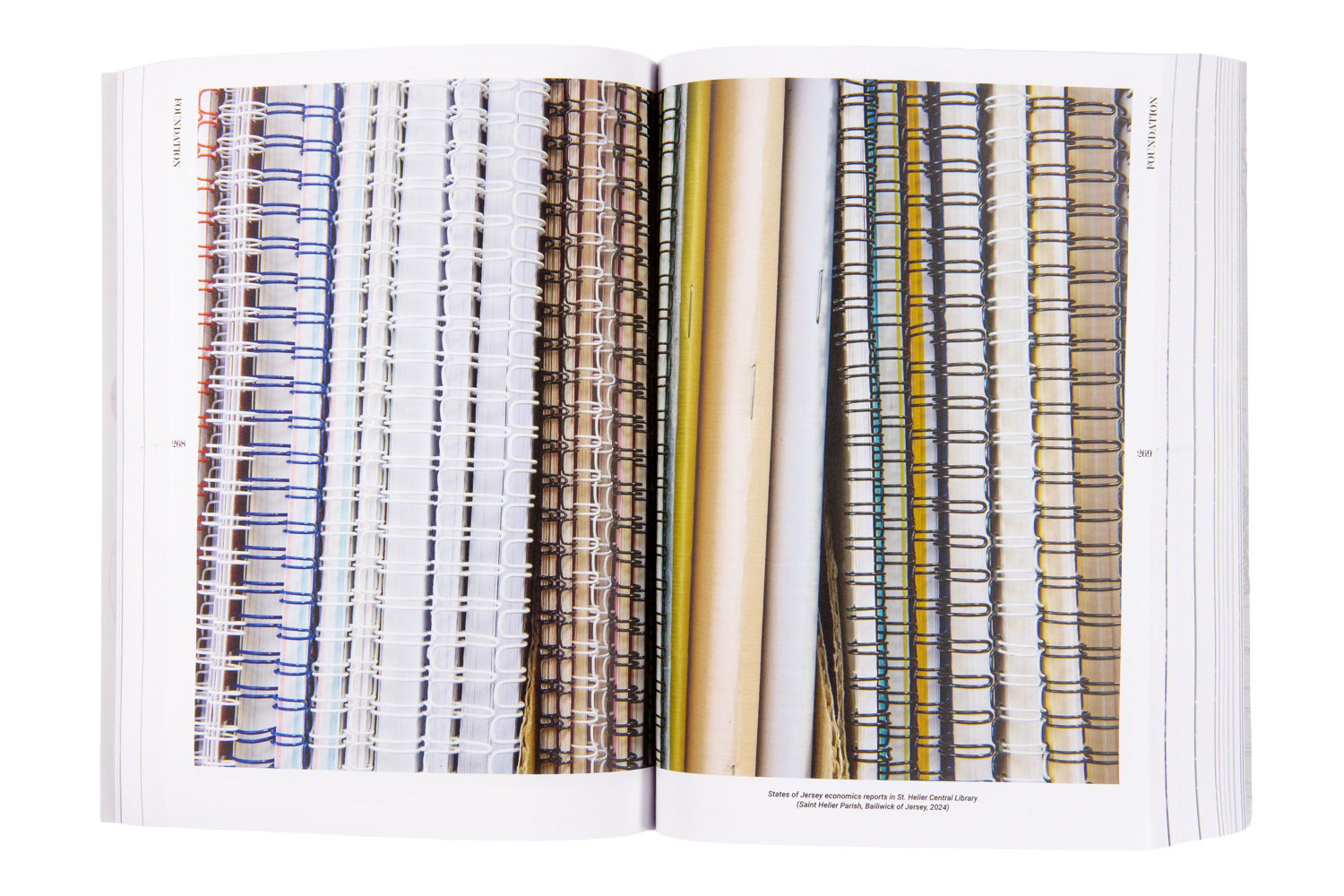
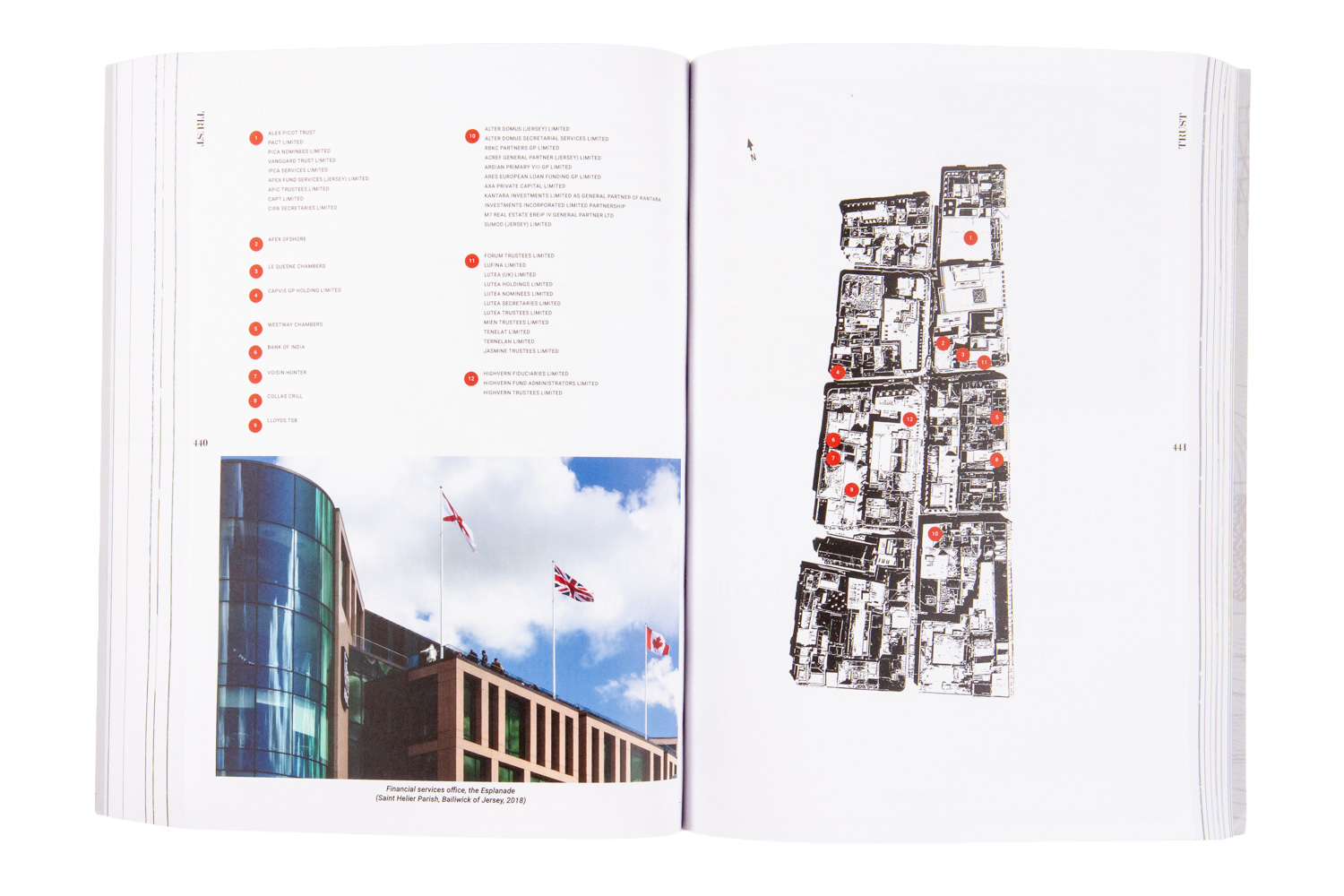
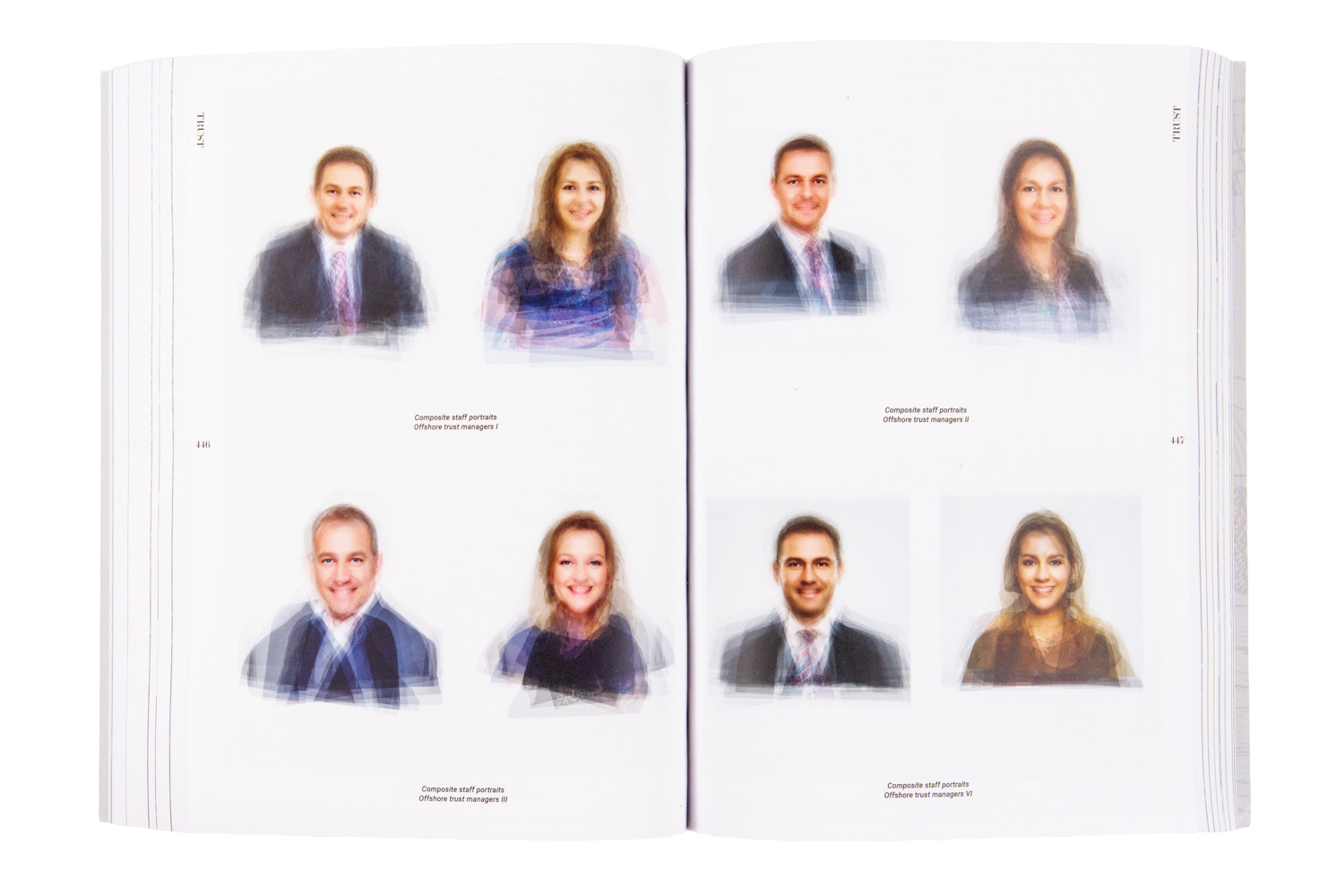
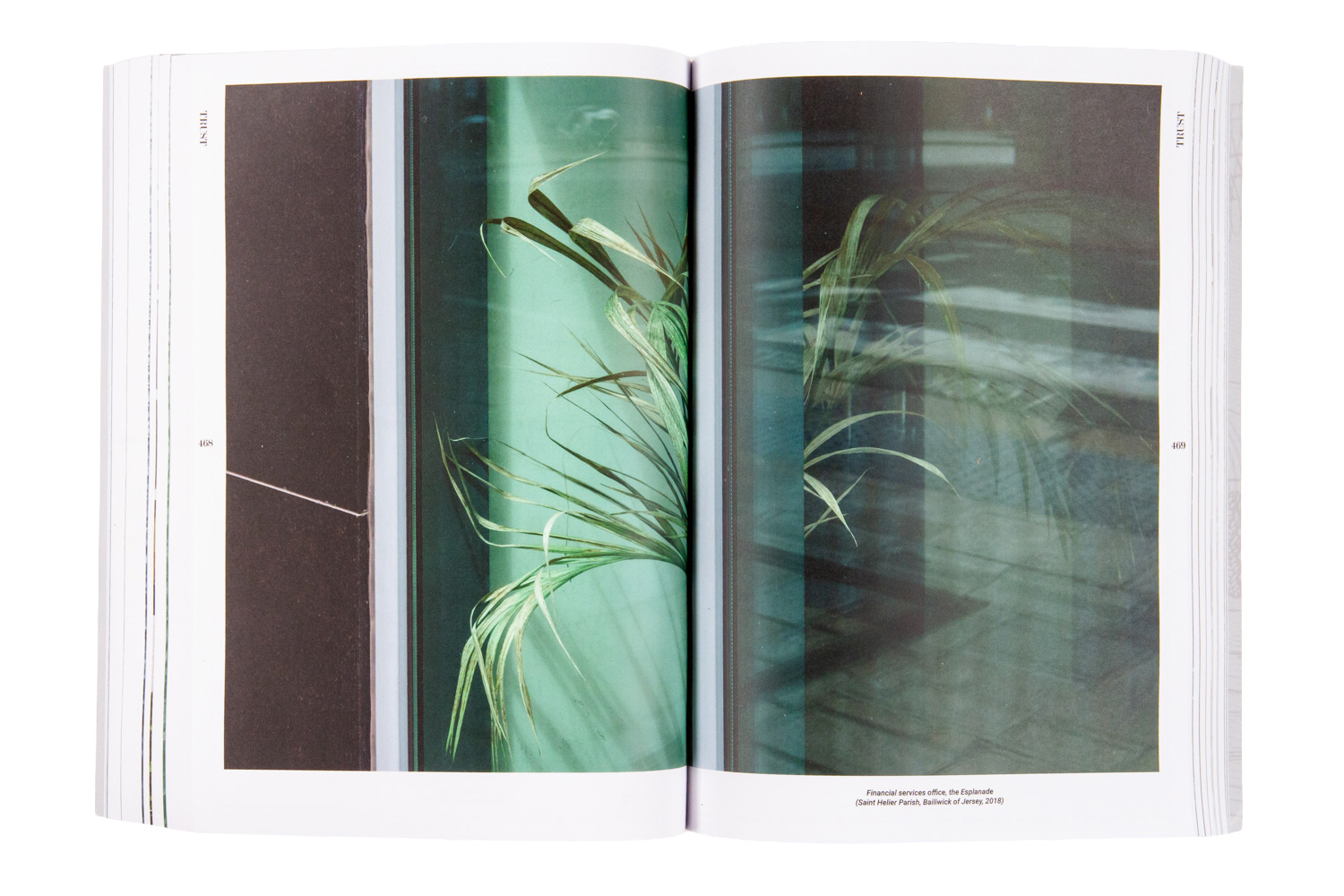
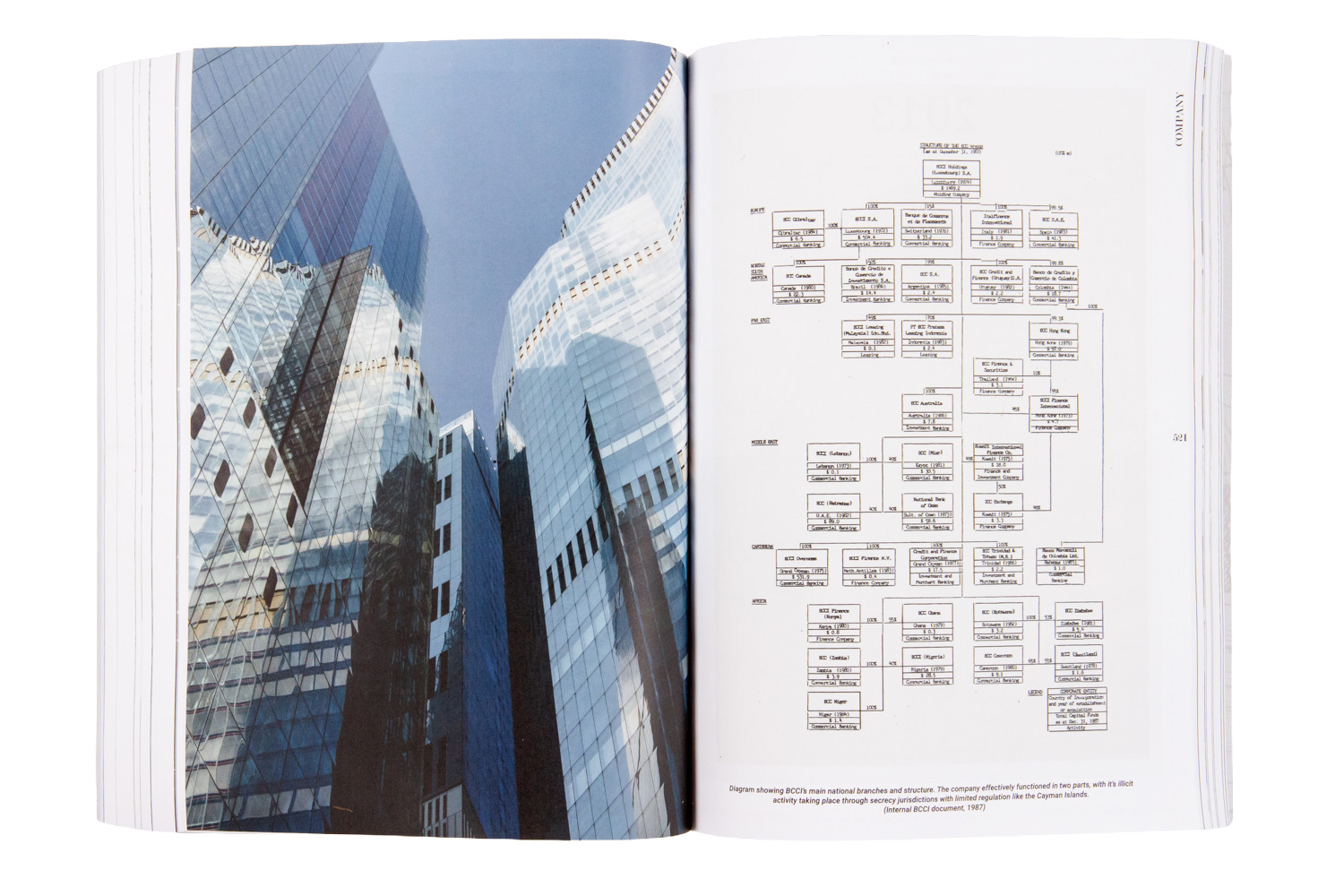
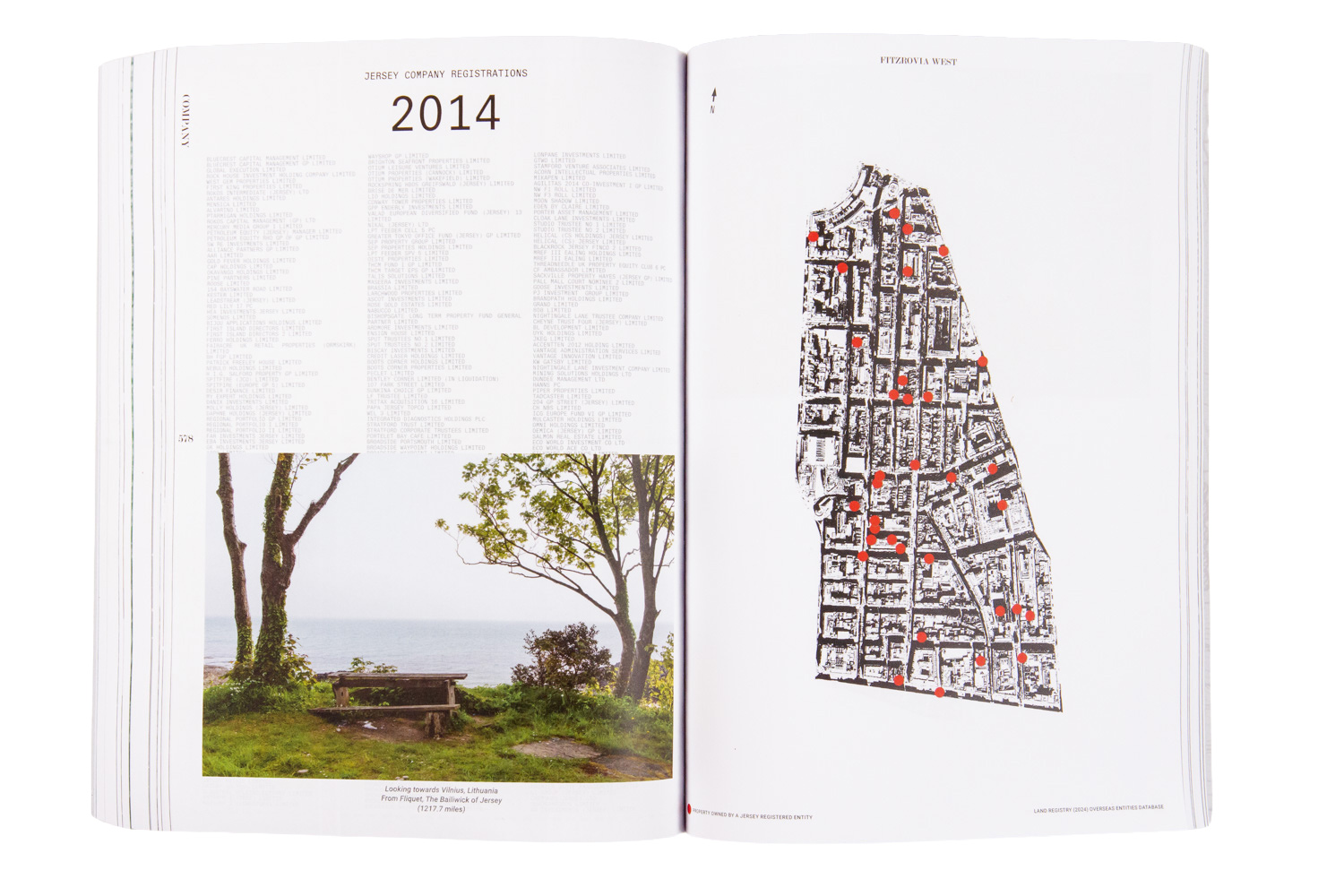
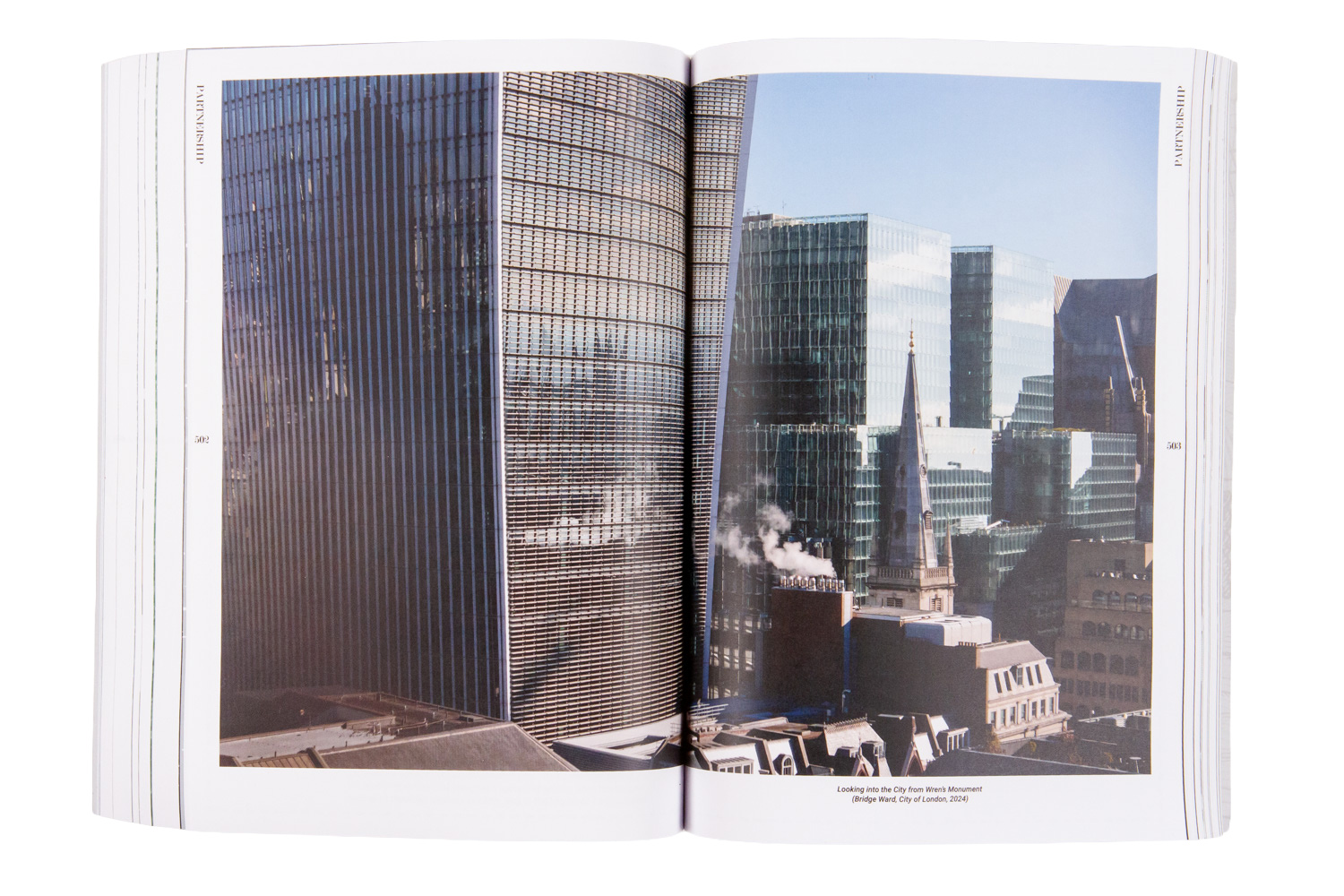
Exploring the history and present of the offshore financial system.
21×29 cm, 700 pages
Softcover
Unpublished maquette.

Full Spectrum Warfare: Touring Exhibition
As part of an aim to make my practice more environmentally and financially sustainable, while widening access to it and thinking outside of the traditional relationship between artists and institutions, I am in the process of developing a series of self-initiated touring exhibitions which will be available for organisations to borrow and display.
Each exhibition is designed to be fully reusable, and to fit in a storage crate with a footprint of half a euro pallet, also making it possible for organisations to easily borrow more than one exhibition and display them together with low shipping and insurance costs.
Following the success of the first exhibition I am currently developing the second exhibition Full Spectrum Warfare, based on Shadows of State (2014 – 2018) and developed with Dr. Elspeth Van Veeren with support from University of the Arts London.
More information about this will be coming here soon.
If you would like more details or are interested in discussing a loan of this exhibition for your institution please get in contact.
An Infinitely Dark Legacy: Touring Exhibition
As part of an aim to make my practice more environmentally and financially sustainable, while widening access to it and thinking outside of the traditional relationship between artists and institutions, I am in the process of developing a series of self-initiated touring exhibitions which will be available for organisations to borrow and display. The first of these is An Infinitely Dark Legacy, a traveling exhibition based on my photographic project and book Depravity’s Rainbow (2018 – 2023), developed with Dr. Jens Temmen and with generous support from Heinrich Heine University Düsseldorf.
Depravity’s Rainbow examines the dark origins of modern rocketry during the Second World War and Holocaust, and charts the ways that this history continued to influence Cold War era space programs in the United States, projects on which much present day space exploration is in turn founded.
An Infinitely Dark Legacy consists of two main elements. The first are framed, small scale prints based on archival images from German rocketry projects before 1945 and in the United States projects after the end of the Second World War. Both programs are tied together by the involvement of German-American rocket pioneer Wernher von Braun in their development. The second element of the exhibition are larger prints on fabric, inspired by Fascist banners, and depicting now mostly forgotten locations from the early history of rocketry, including V-2 missile development, fabrication, incarceration, launch, and impact sites across five European countries. Both sets of imagery are printed using the cyanotype process, an archaic photographic method with links to engineering, astronomy, and genocide, and which produces the vivid blues and browns of the prints.
In addition to these core elements there are also various optional extras available by request, including Haunted Space, a 20 minute looping video installation with an ambient audio soundtrack, a copy of the Depravity’s Rainbow book, and various items of research material and other ephemera from the making of the project. The combination of exhibition elements is designed to be reshaped for different spaces, and to be presentable as both a small selection of images for small venues, or as a complete display for larger ones.
The exhibition is scheduled to tour a series of academic and museum venues in Europe in 2025 – 2026.
If you would like more details or are interested in discussing a loan of this exhibition for your institution please get in contact.


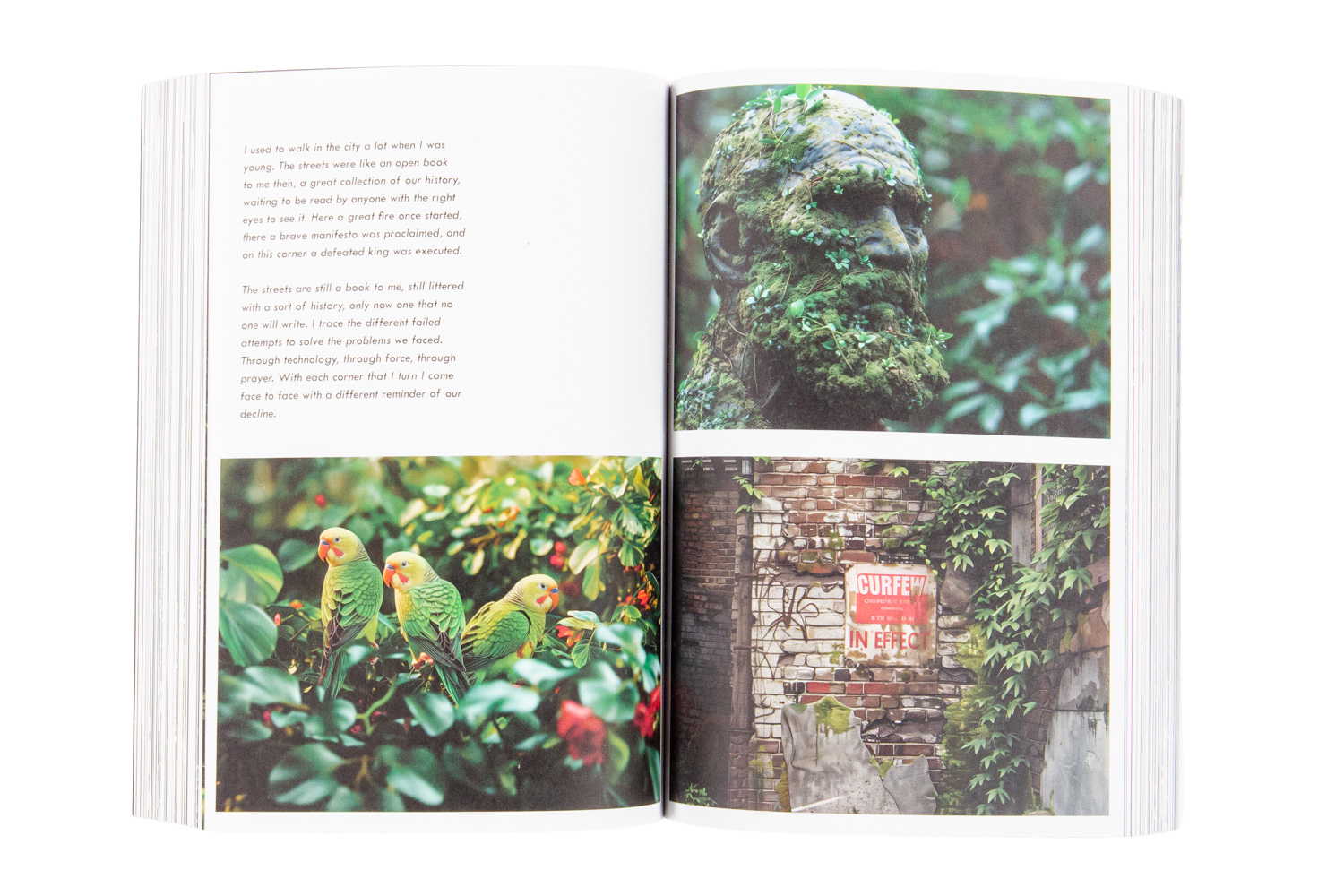
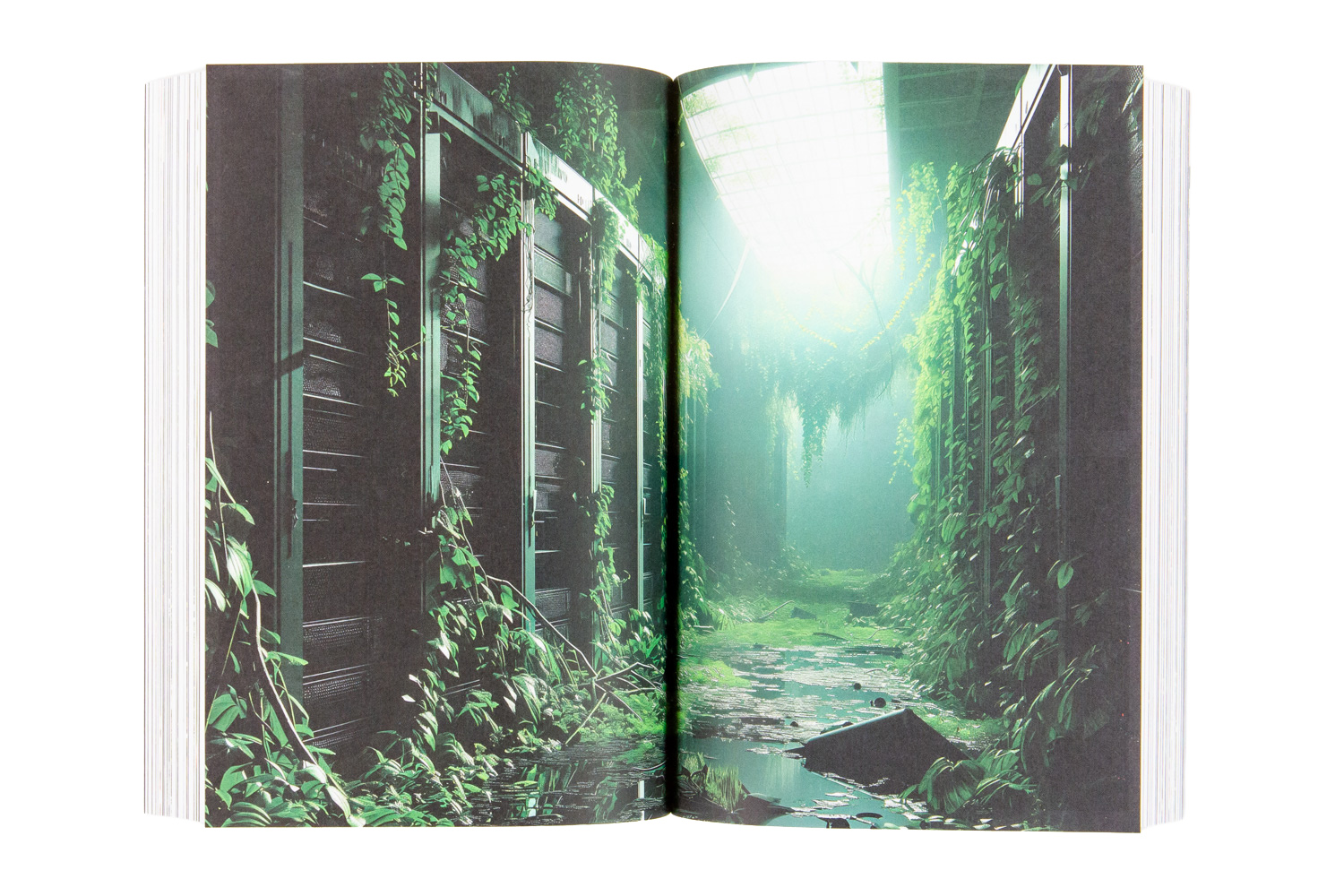
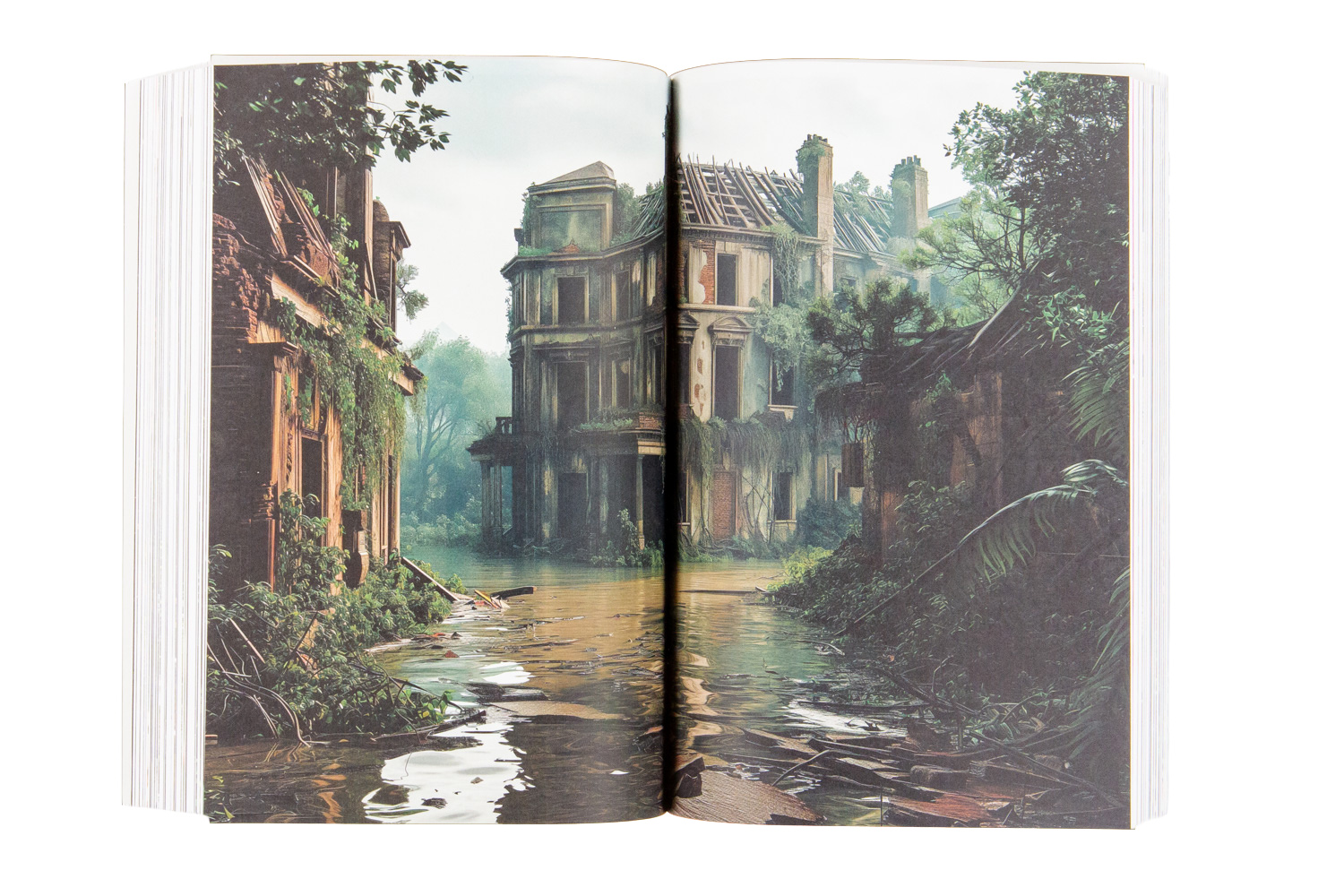
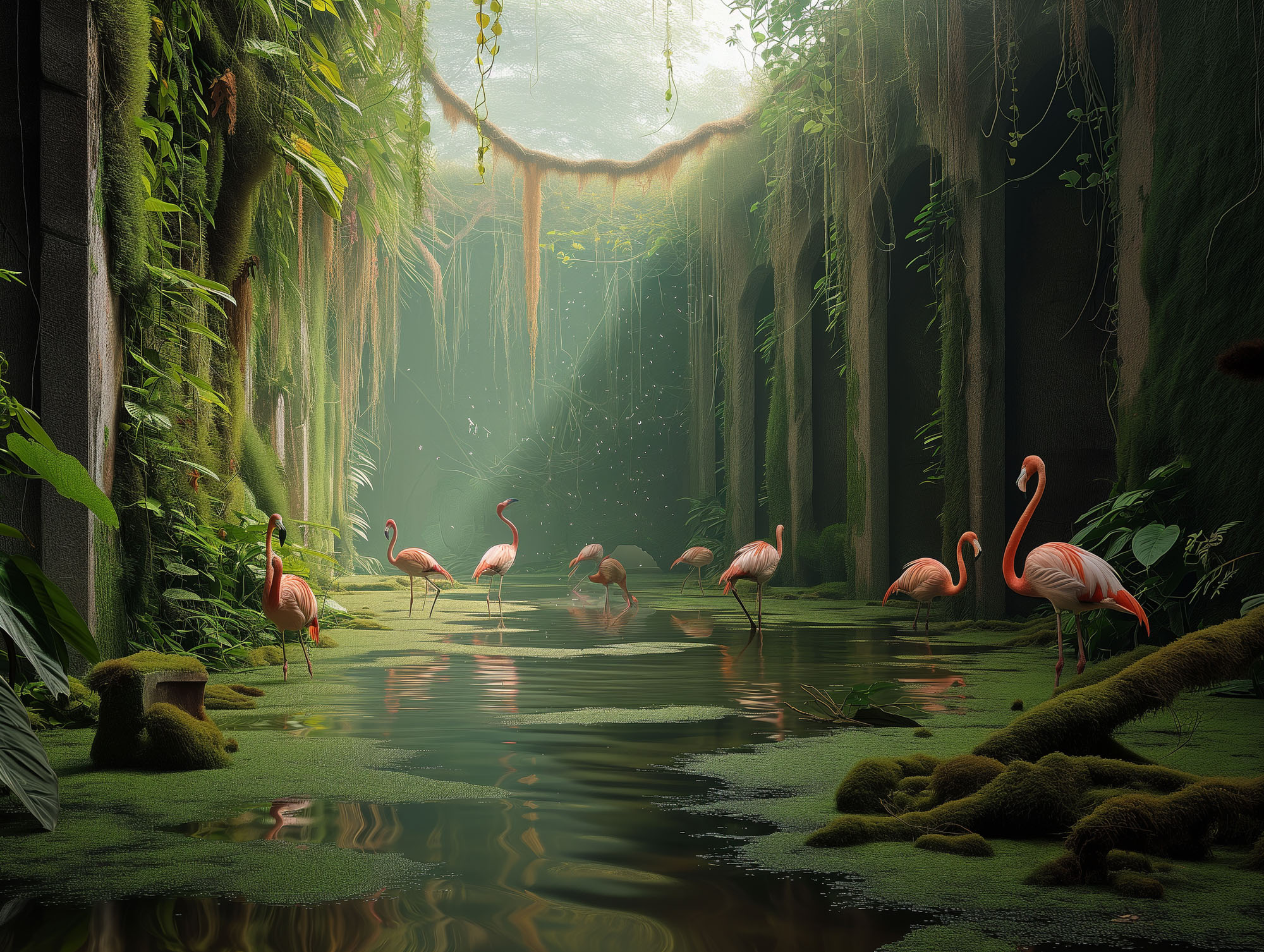
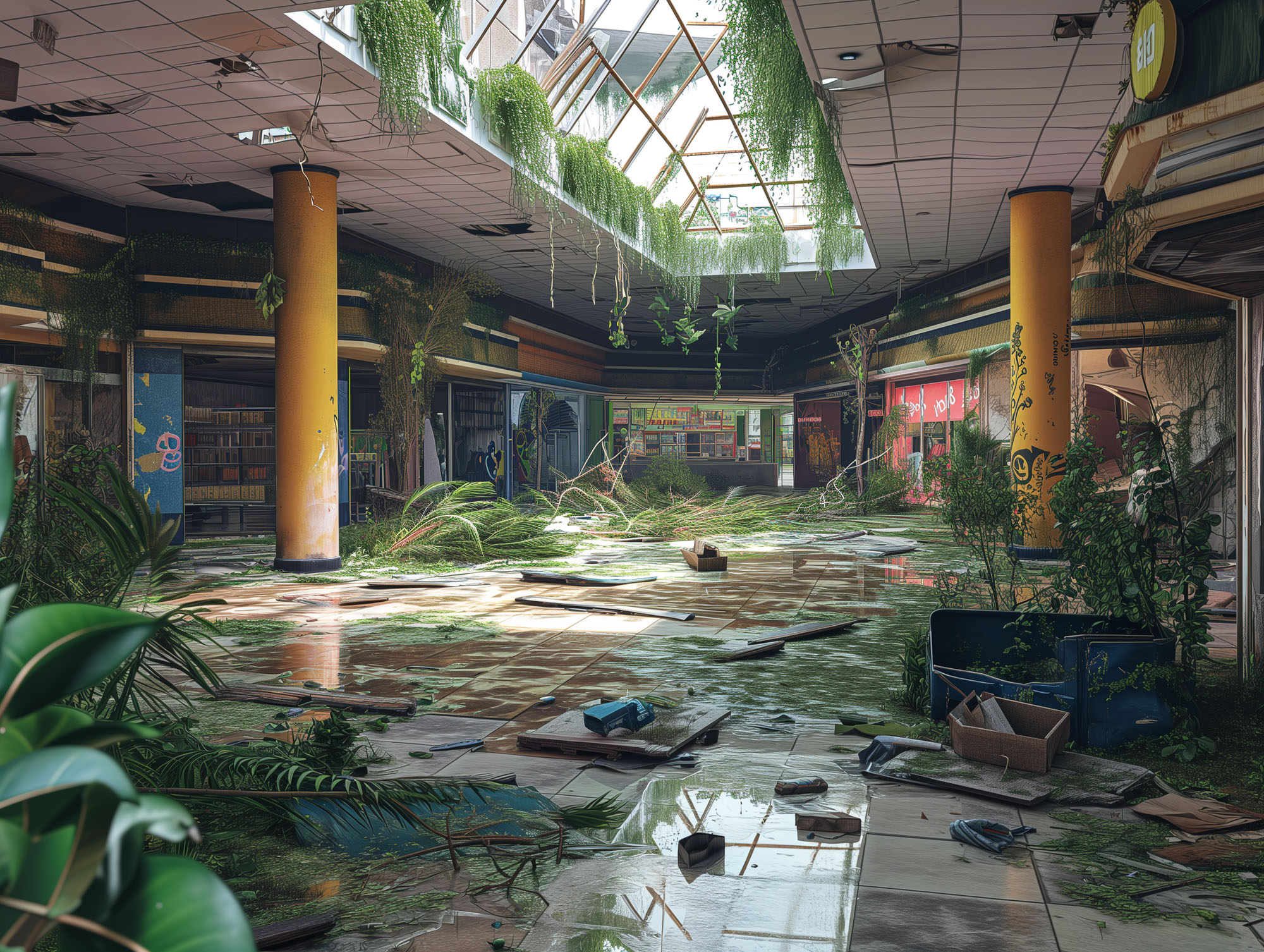
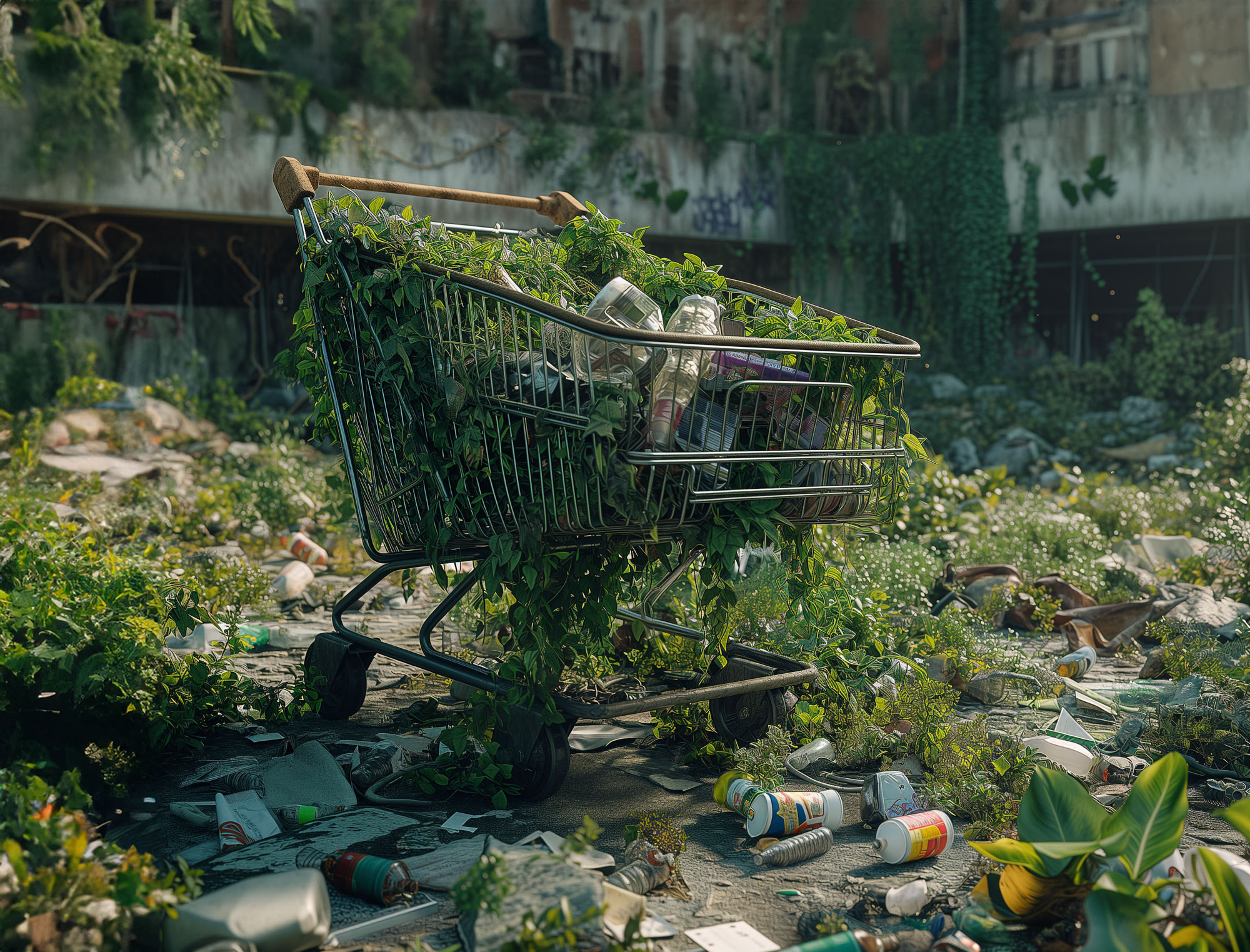
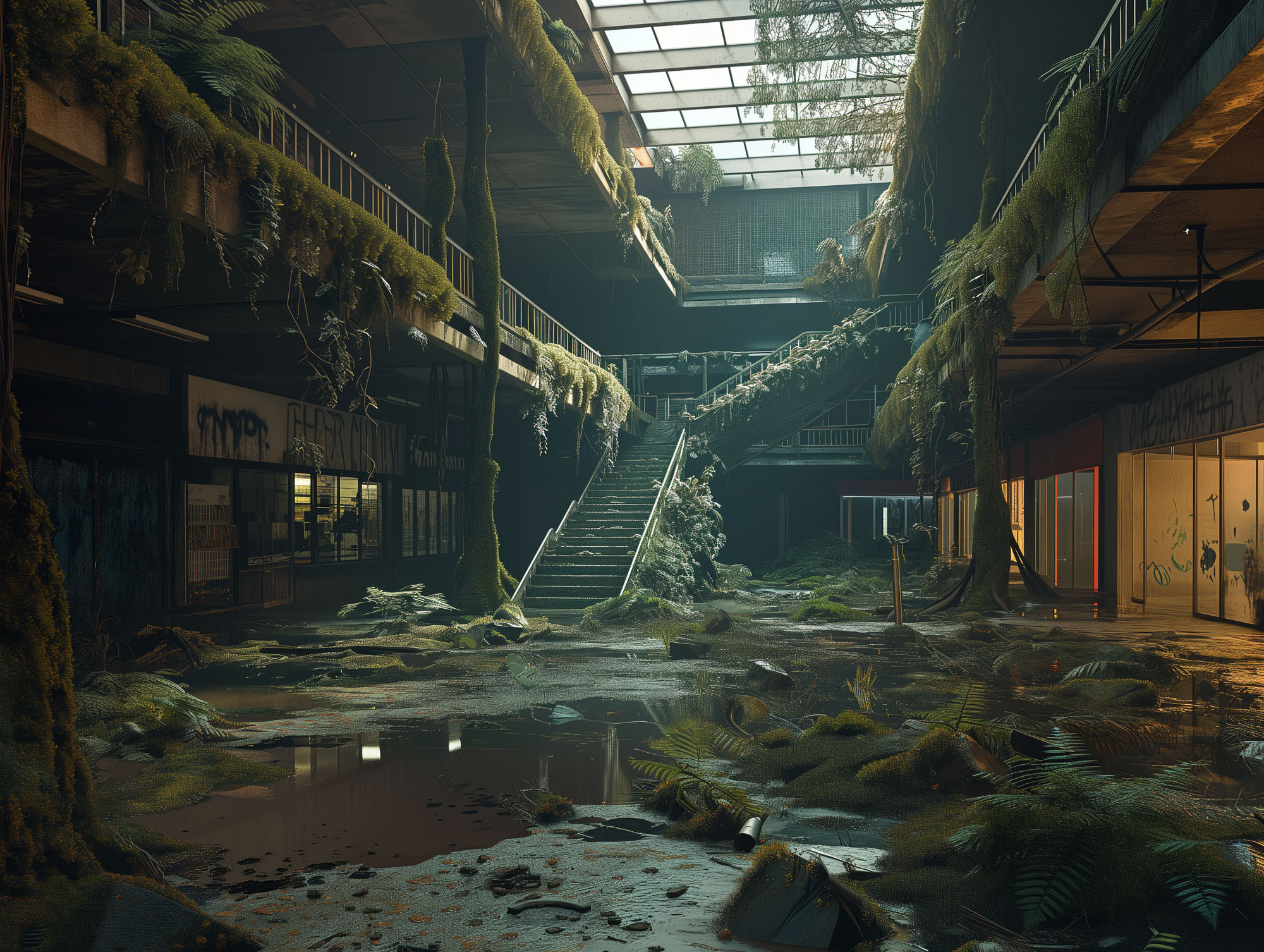
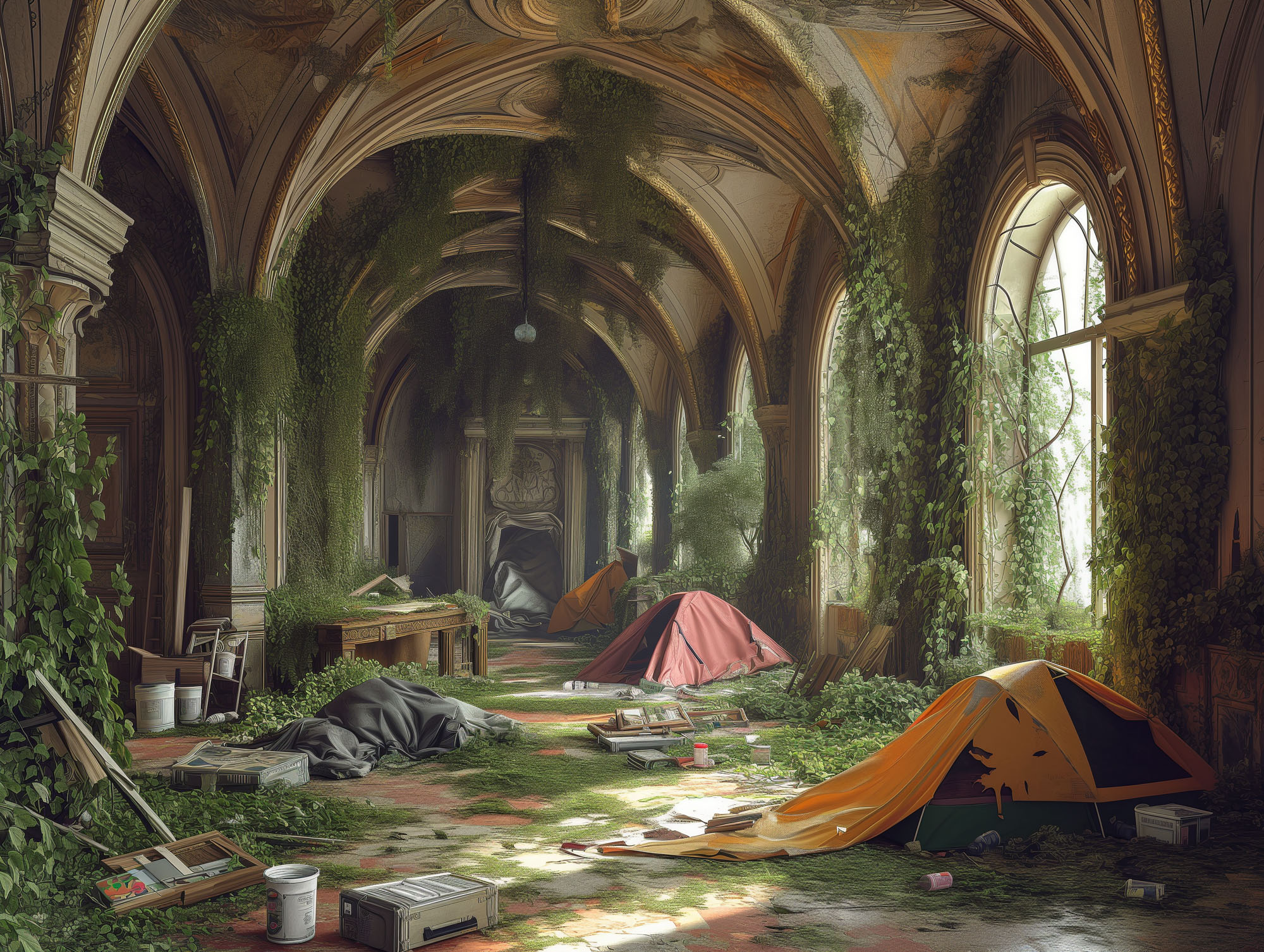
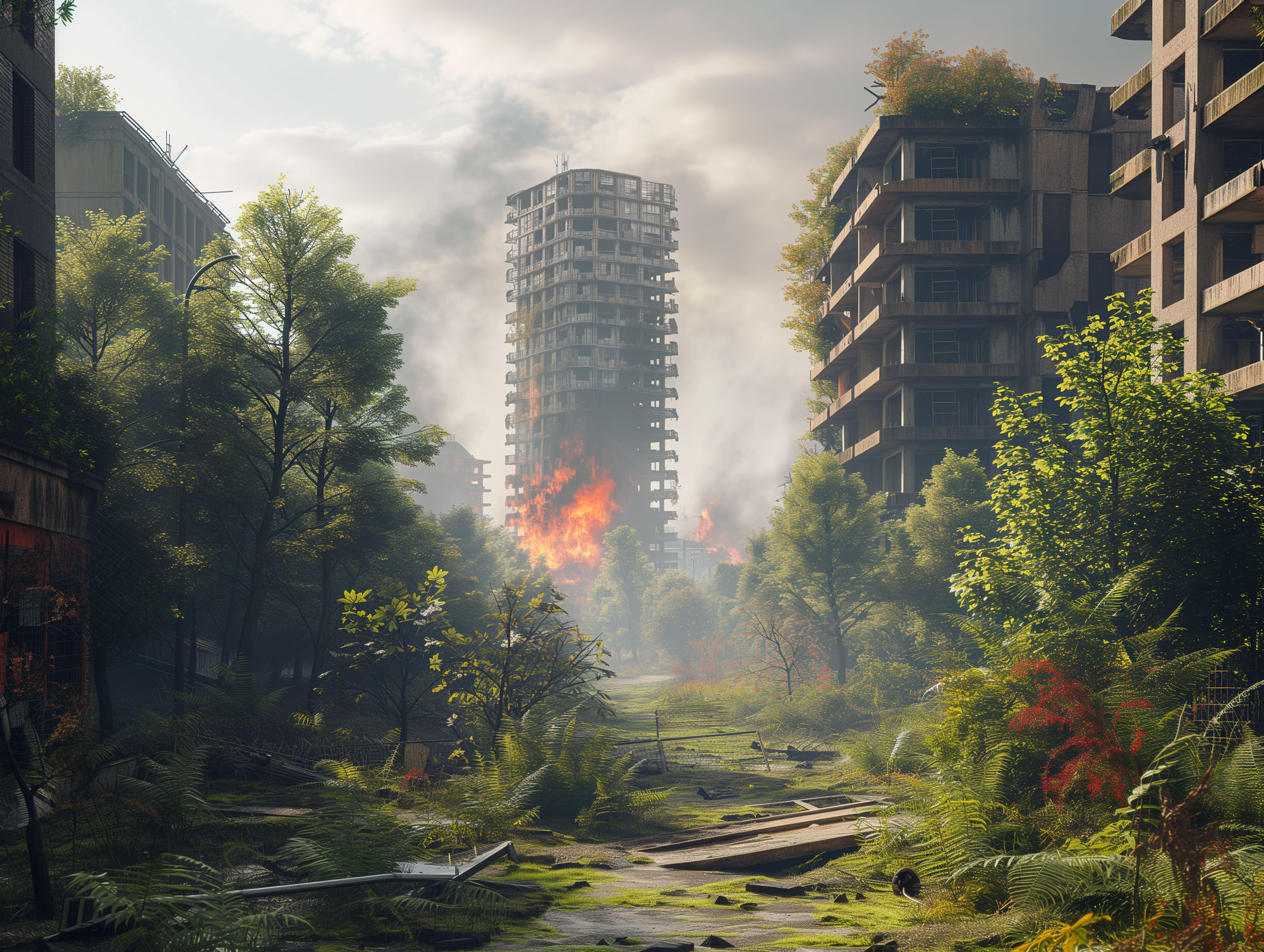
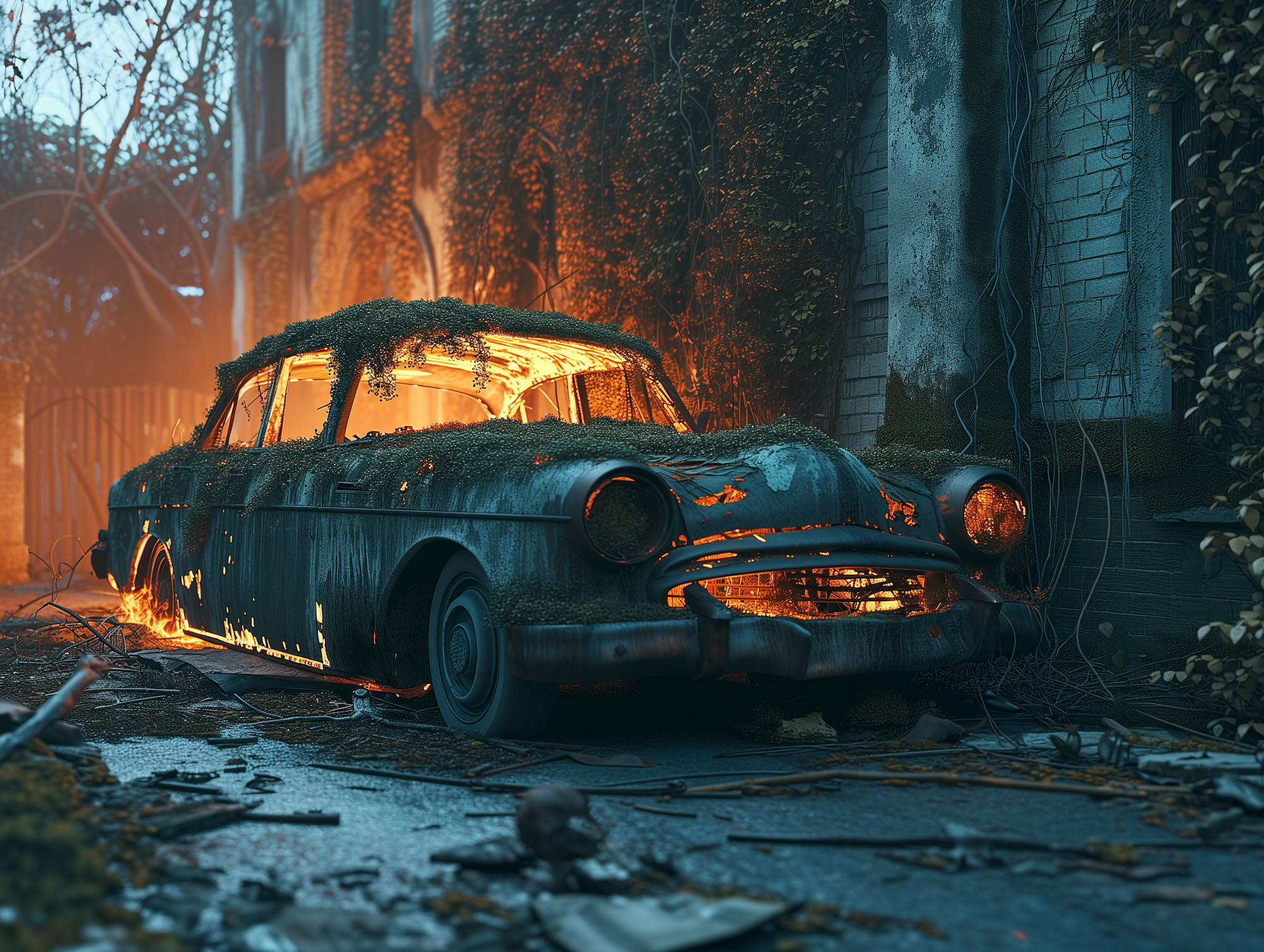
When we say ‘the end of the world’ really what we mean is the end of humanity. But in many of the scenarios we imagine the world will carry on without us. Downfall is an experiment in speculative documentary, which uses AI generated imagery and a non-linear narrative to explore what the world after humankind might look like. These scenarios are based on extensive research into actual post-human enviroments.
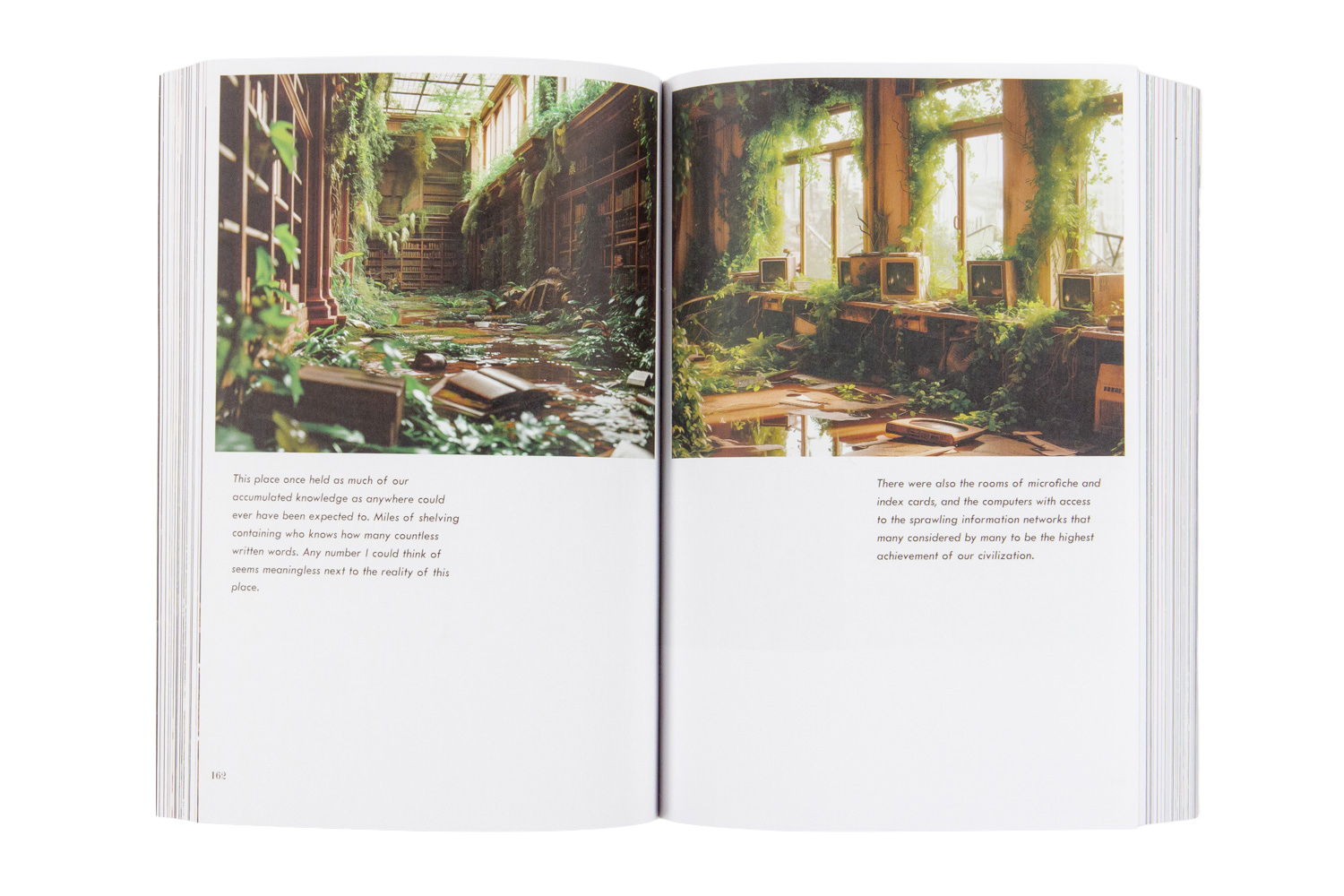
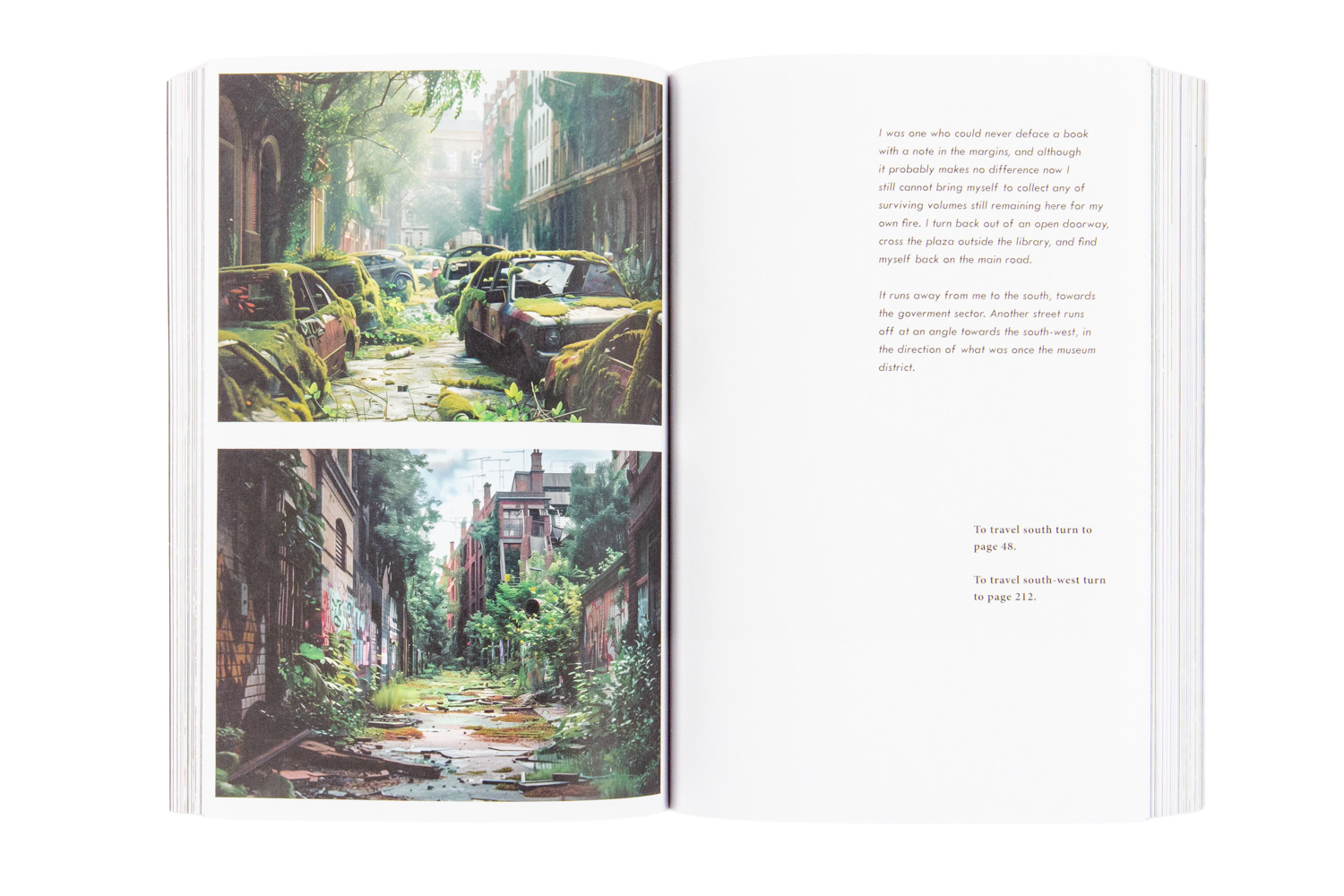
Taking the part of a sole survivor, the reader chooses their own route through the abandoned ruins of a major capital city. Along the way some of the factors which led to the fall of humankind are revealed, from climate change and political extremism, to technological hubris and authoritarianism. The choice based narrative means each read through is unique, and both the locations visited and the precise combination of factors which led to the fall of human civilisation changes each time.
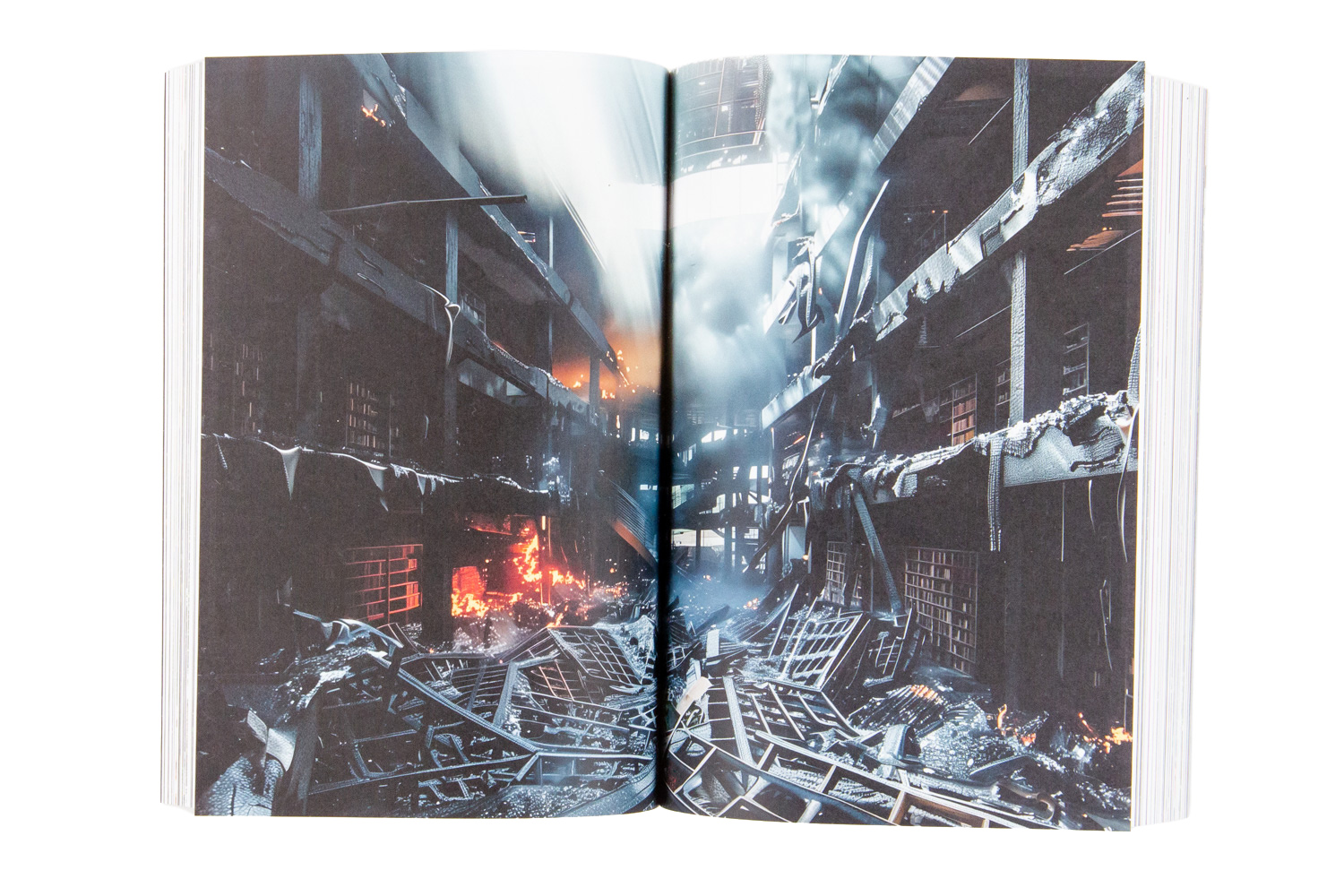
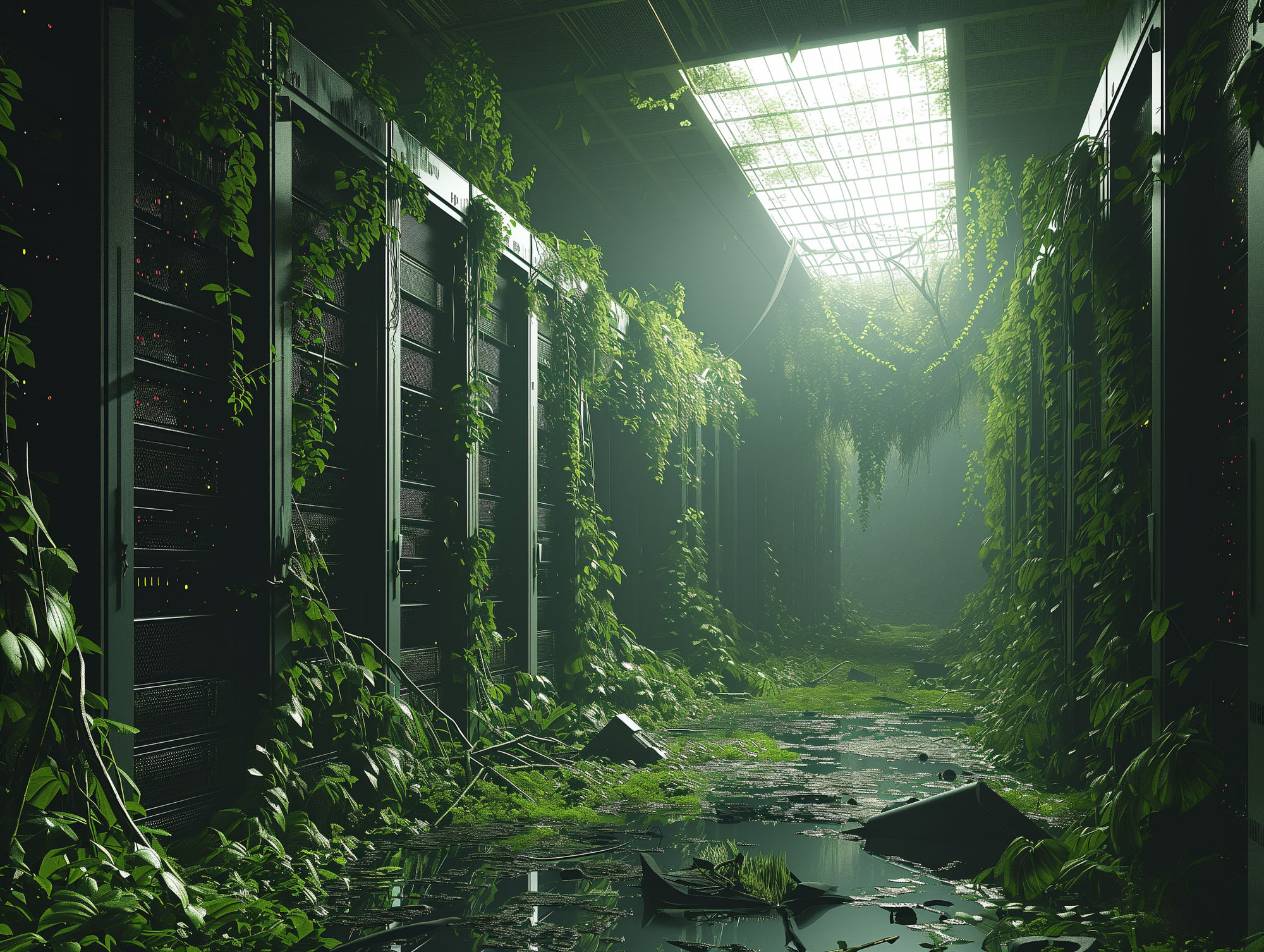
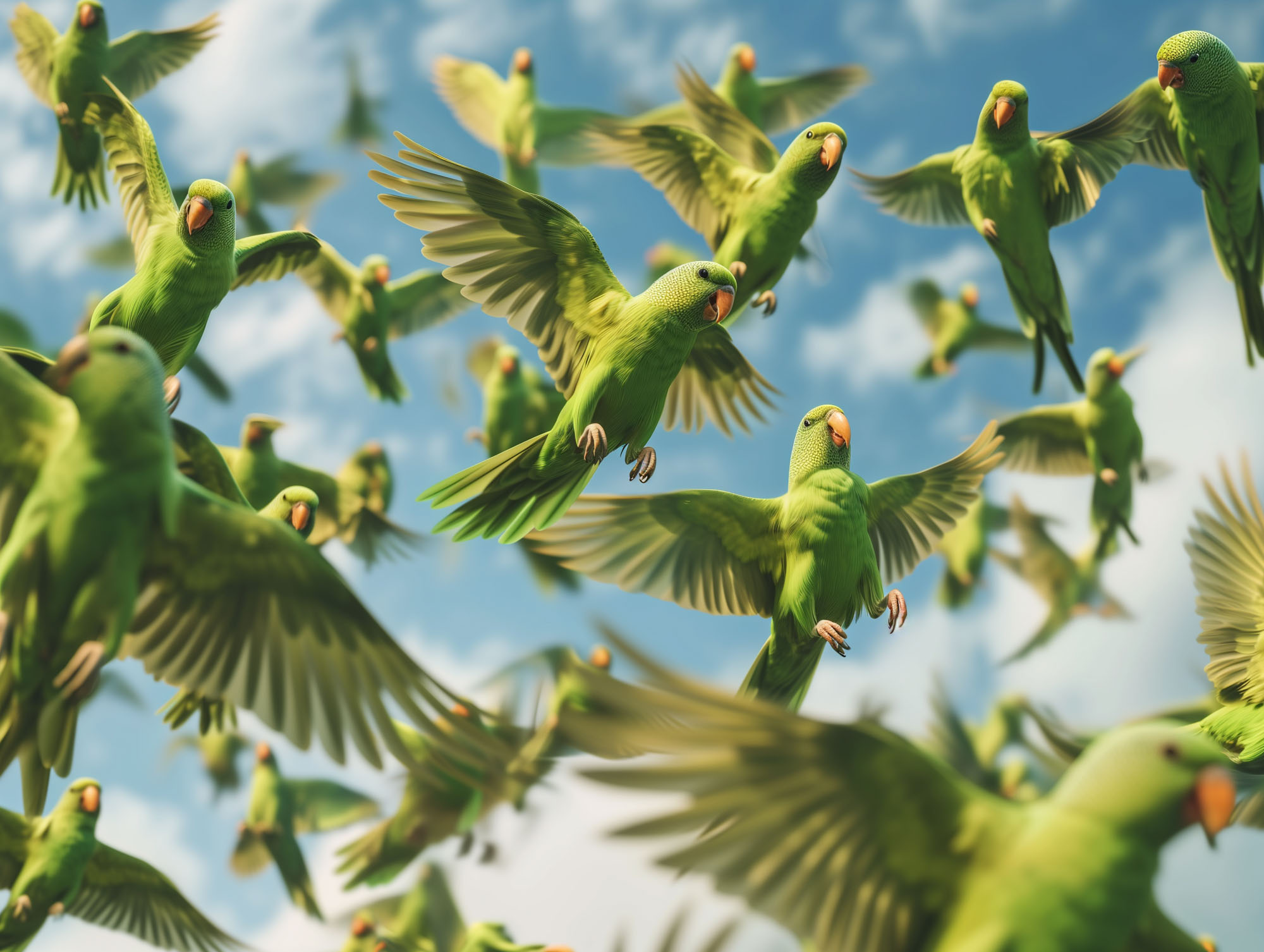
Downfall is illustrated using AI generated images which show familiar landmarks of modernity overtaken by nature. Animals roam abandoned supermarkets, roads are flooded by rivers which have escaped their culverts, and wildfires rages through financial districts in this speculative vision of our world’s possible future.
Book specifications:
– recycled paper soft cover in recycled clamshell box
– 500 pages
– 296 images
– 4000 word essay on climate change, AI and choice.






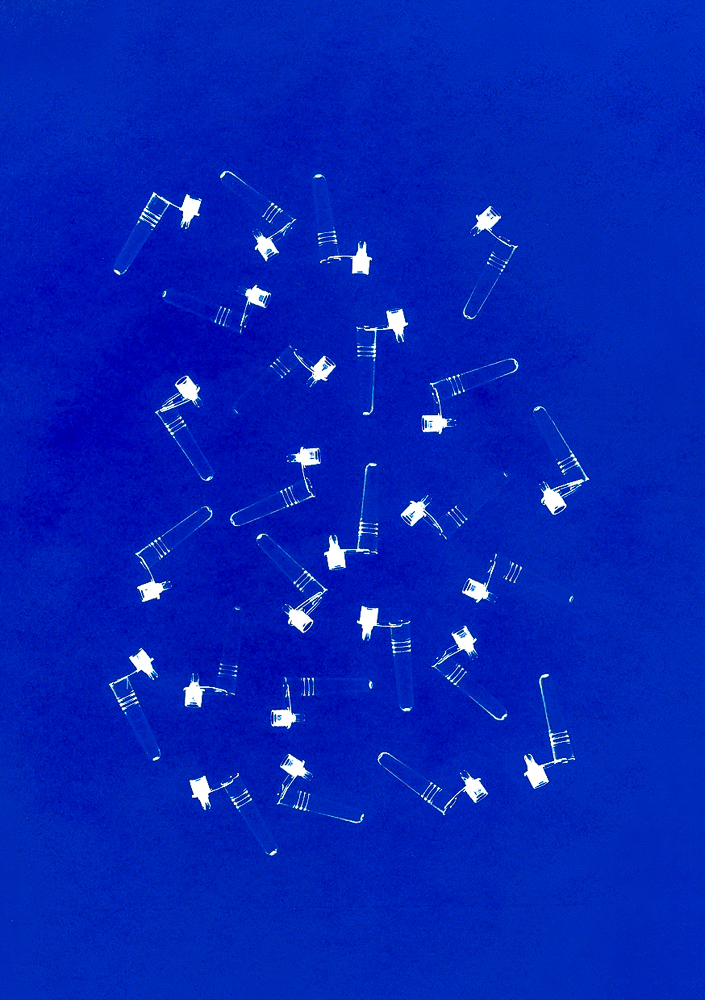
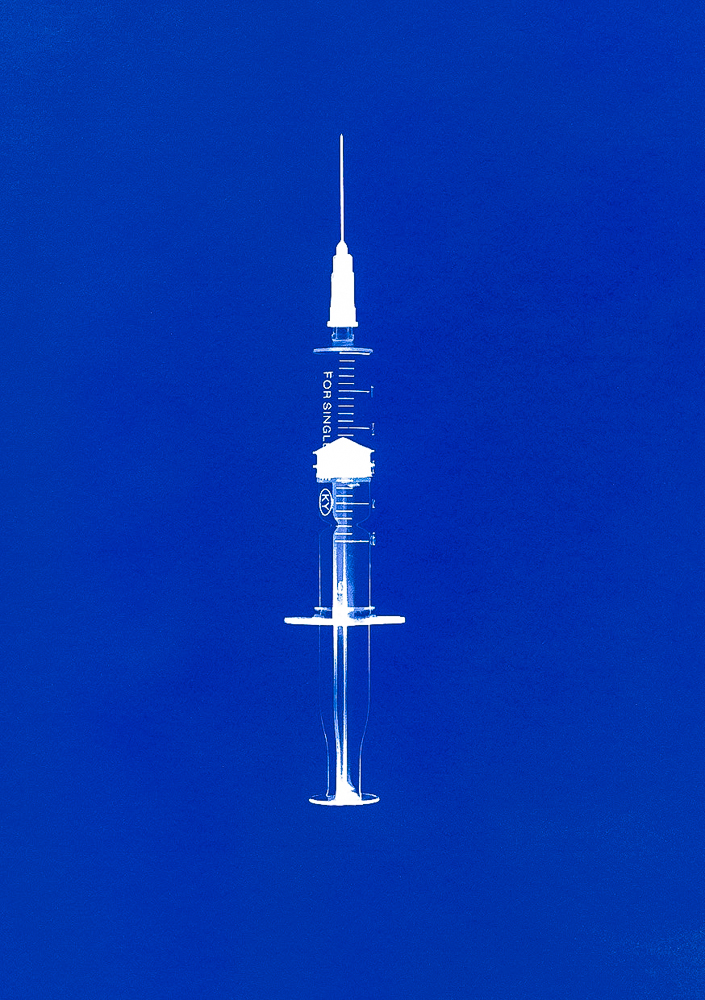
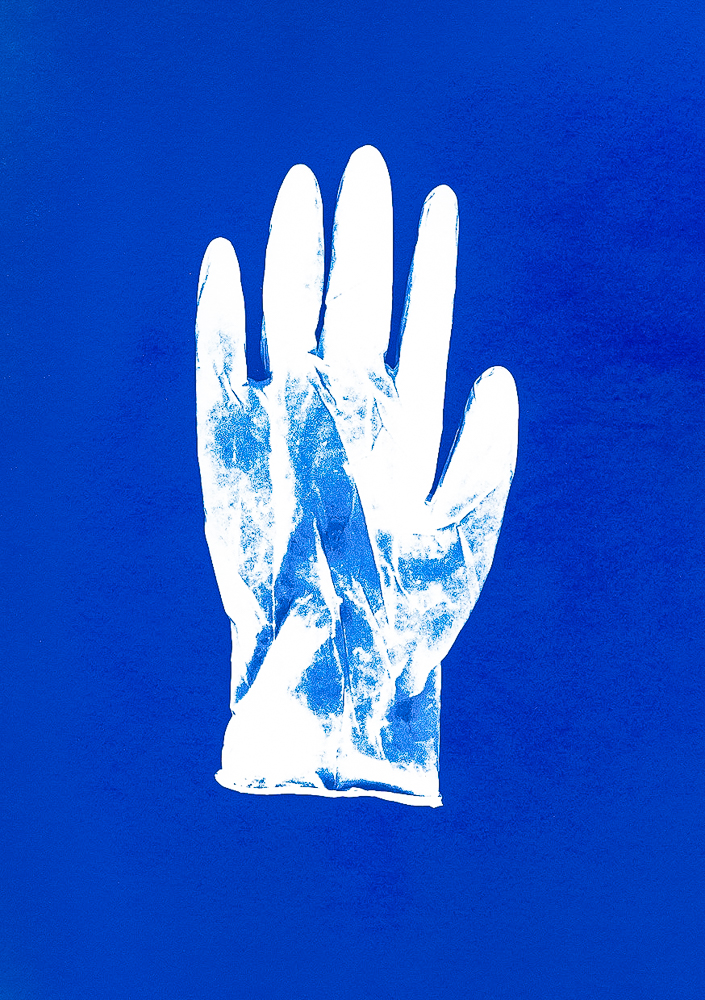
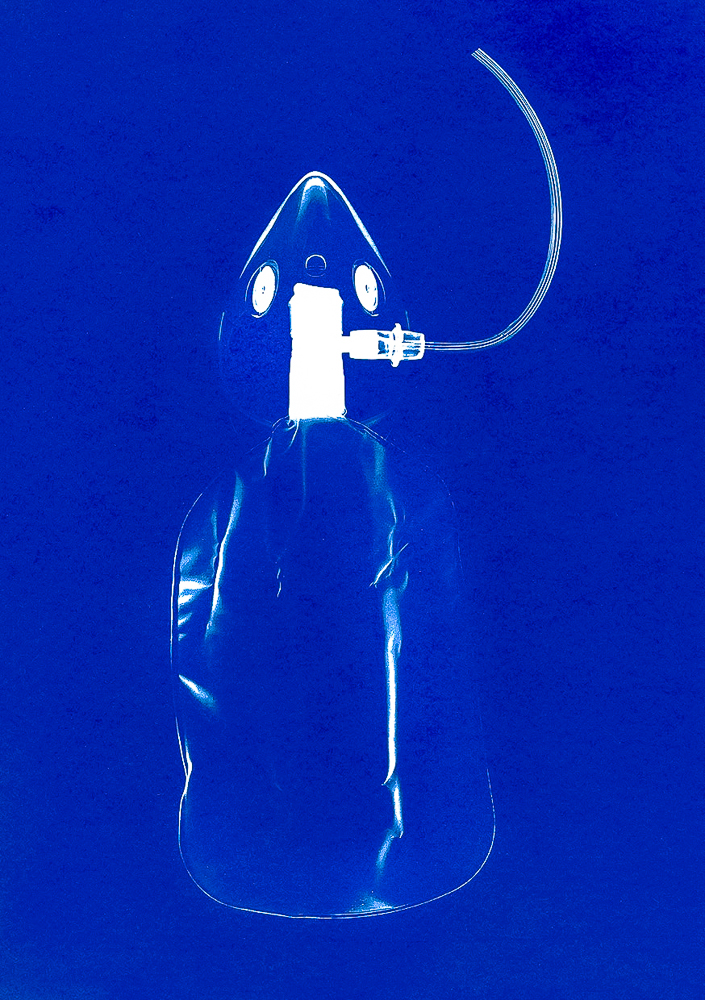
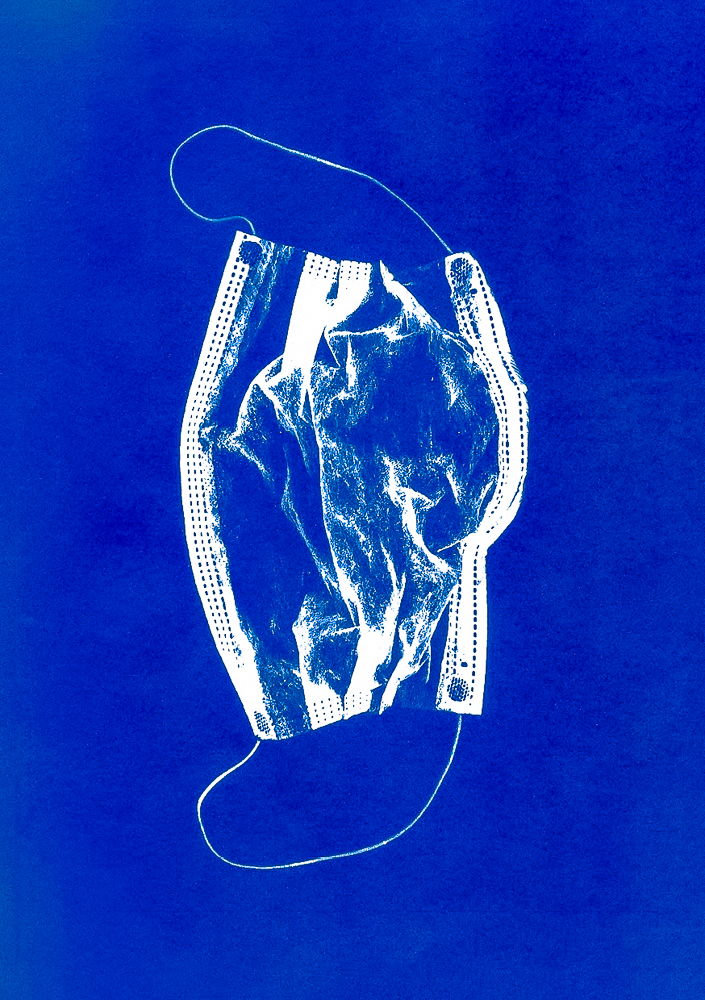
‘Sunlight’ is a collection of cyanotypes of essential medical equipment, drugs and other supplies and services which were badly needed in the early stages of the pandemic but were either in short supply or were entirely inadequate and below standard. These are paired with screen grabs of some of the government ministers and advisers who stand accused of having pre-existing connections and conflicts of interest, some of them undeclared, with companies hired at great expense to provide these supplies and services.
Noting such relationships do not imply politicians concerned directly profited from these relationships, but that is not the point. A conflict of interest exists, whether or not the persons involved profit from it, or are even aware of it. As the ministerial code, which binds all serving ministers notes ‘Ministers must ensure that no conflict arises, or appears to arise, between their public duties and their private interests’.
This is exactly why such relationships must be disclosed, laid bare in the light of day for discussion and judgement. As the lawyer and justice Louis Brandeis (1856 – 1941) wrote of the vast and largely unconstrained power of the nineteenth century robber barons ‘publicity is justly commended as a remedy for social and industrial diseases. Sunlight is said to be the best of disinfectants.’



Ways of Seeing Algorithmically
(2019 – ?)
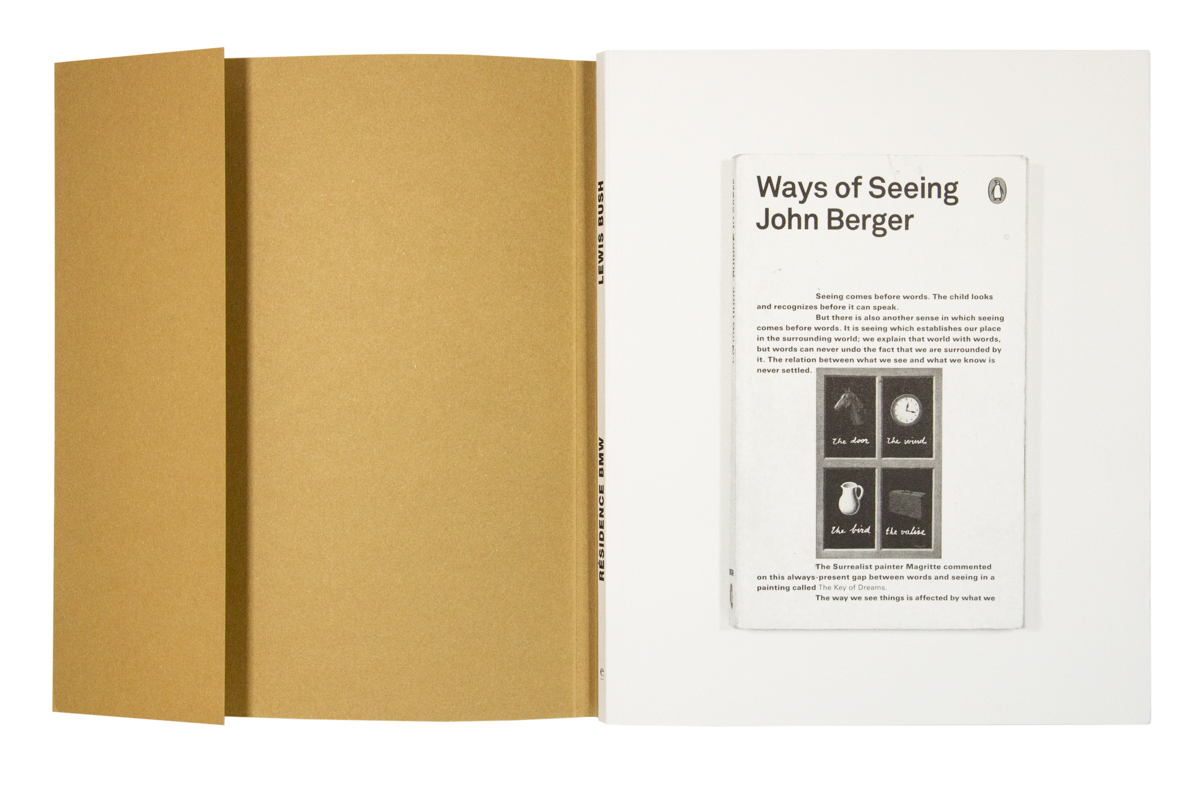
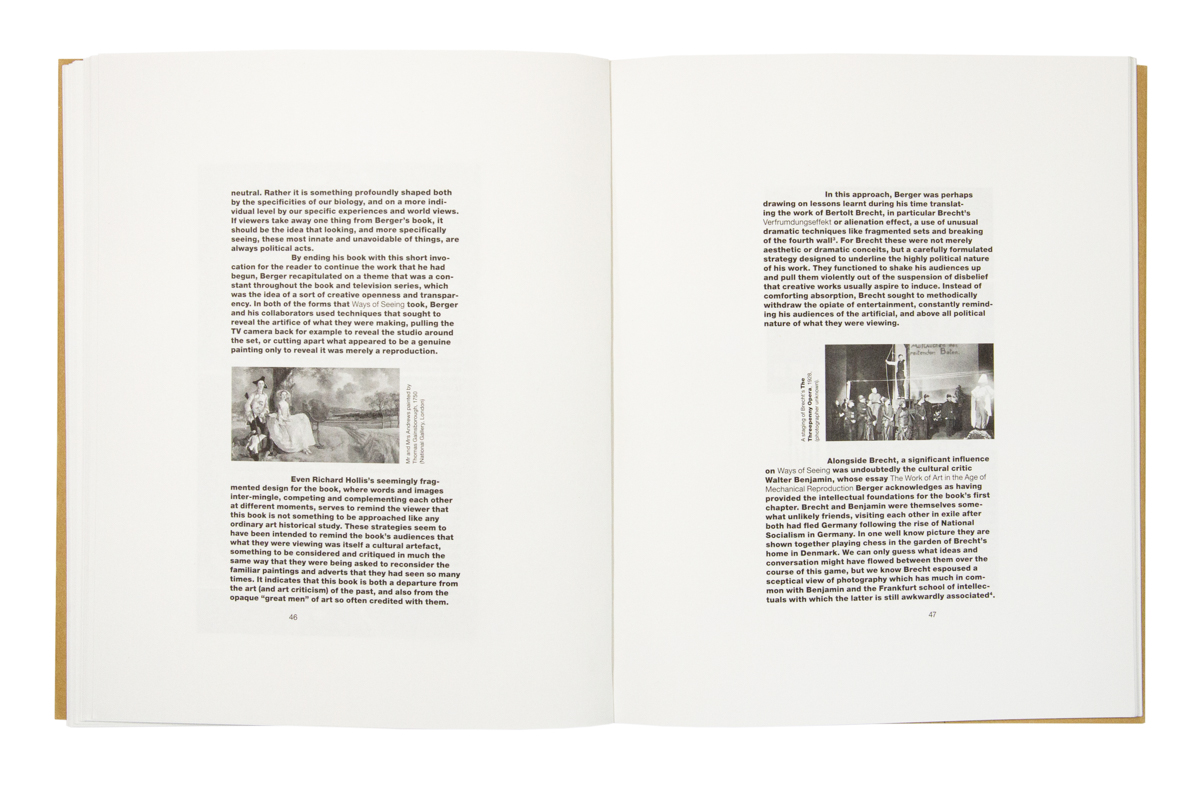
In 1972 a small book changed the way the public thought about visual culture. Ways of Seeing made ideas from fields like structuralism, feminism and Marxism widely accessible, and in the process changed popular discourse about art.
However, since it’s publication a paradigmatic shift in seeing has occurred, and this is that humans no longer hold a monopoly on interpreting, understanding and acting on what they see. When Berger wrote his book the field of computer vision was in its infancy, but today this technology is increasingly advanced and is rapidly advancing into ever more areas of our lives. Ways of Seeing Algorithmically uses Berger’s book as he intended, as a starting point for a process of questioning what those changes mean.
At the core of the project is an augmented reality application. When combined with a copy of the original Ways of Seeing book, this app uses computer vision to bring into being a new virtual text, which exists digitally between the pages of Berger’s original book. The aim of this new text is to draw into focus a new narrative about the relationship between technology, culture, vision and power, which builds on some of Berger’s original thinking, while also at times diverging from it.
From this central element, other sub-projects radiate off like spokes from the hub of a wheel. These include video pieces, long form writing, generative visual systems, expert interviews and other approaches, each designed to examine different facets of this enormous and complex subject. Begun in 2009 under the auspices of the BMW residency at Gobelins, Ecole de l’image, Paris, Ways of Seeing Algorithmically now runs in parallel with my ESRC funded PhD research into the implications of computer vision and artificial systems for visual journalism and democracy.
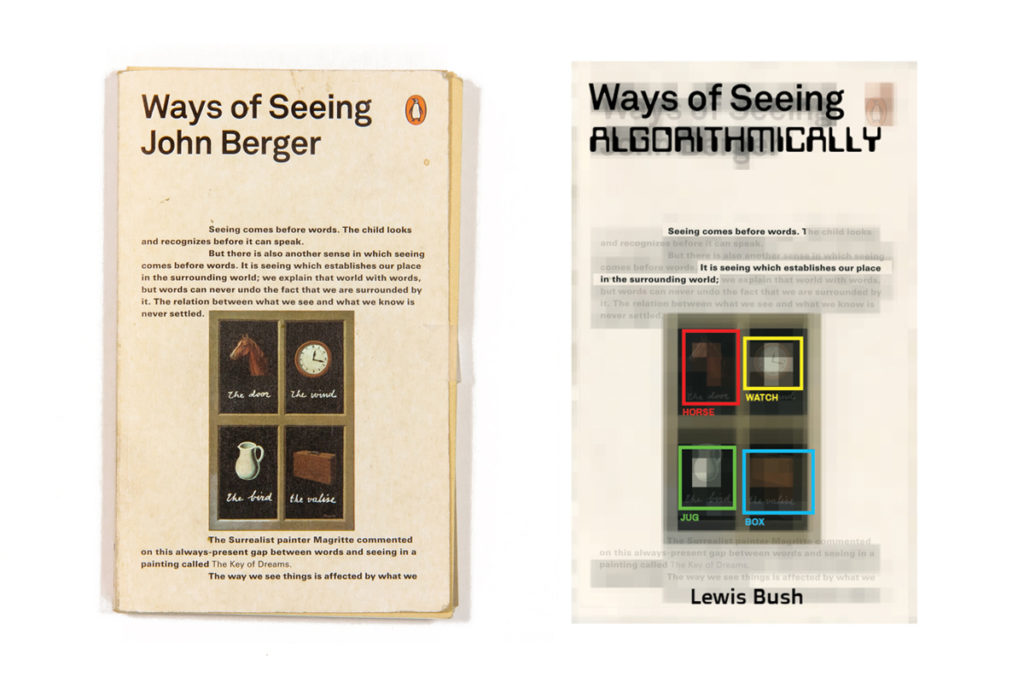
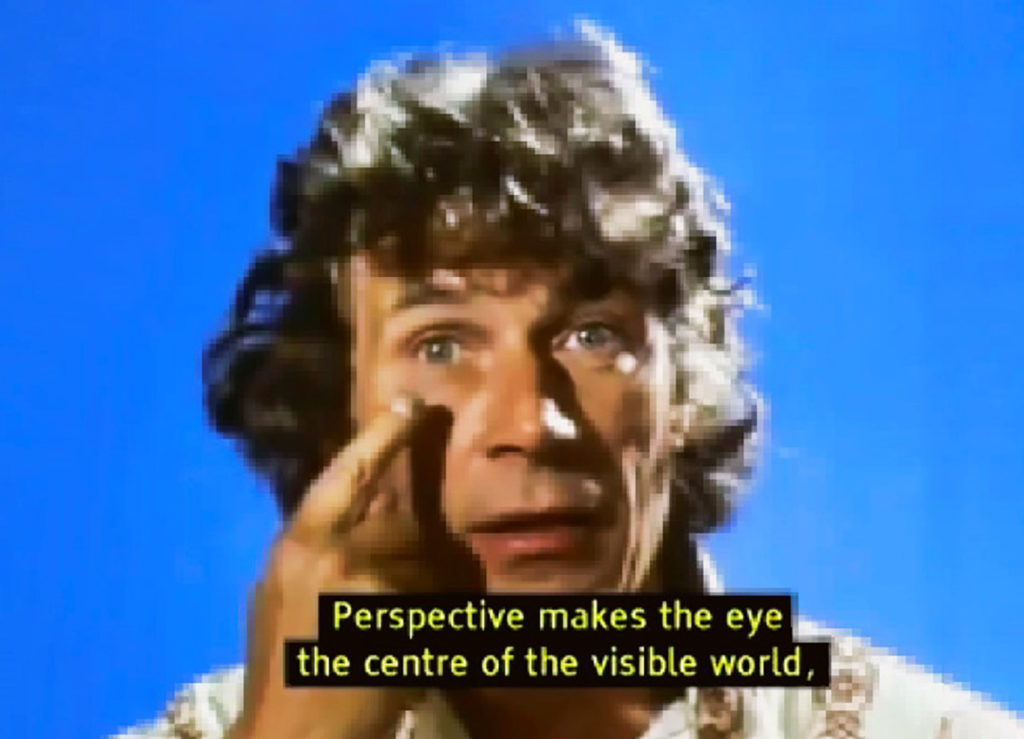
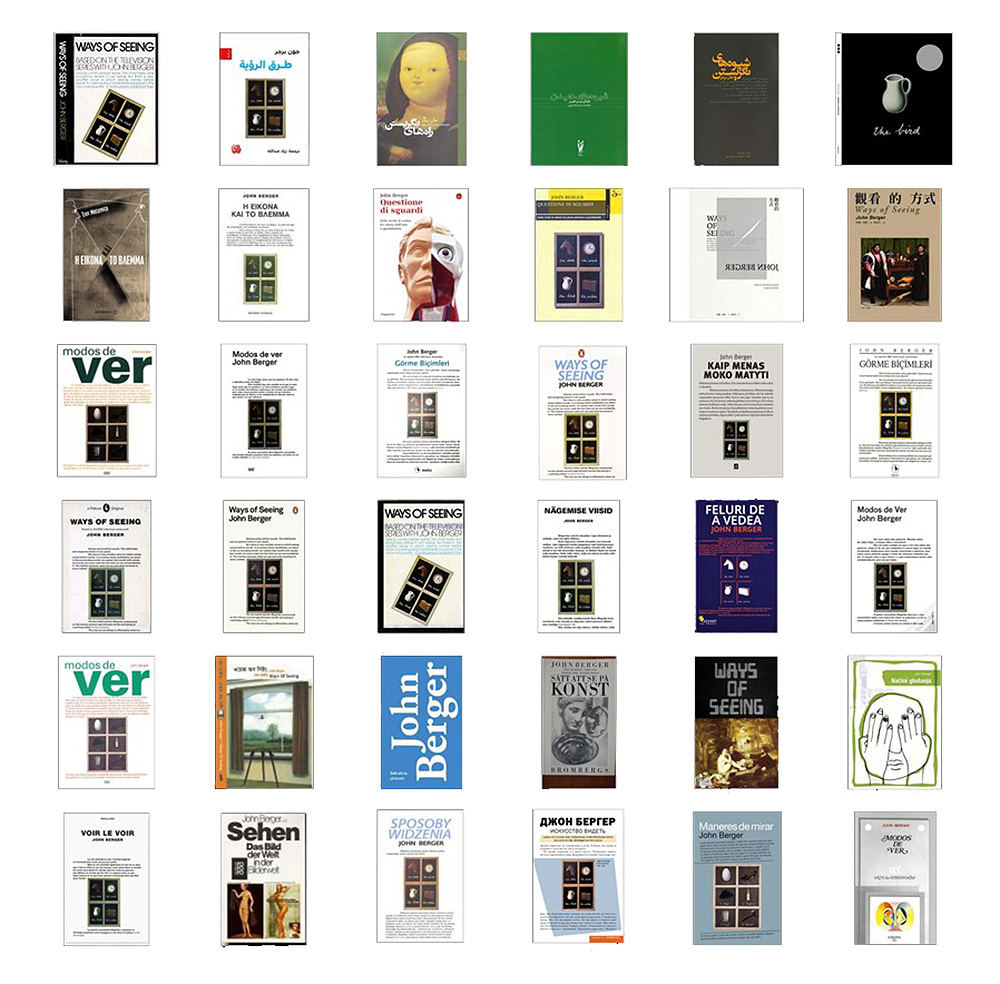
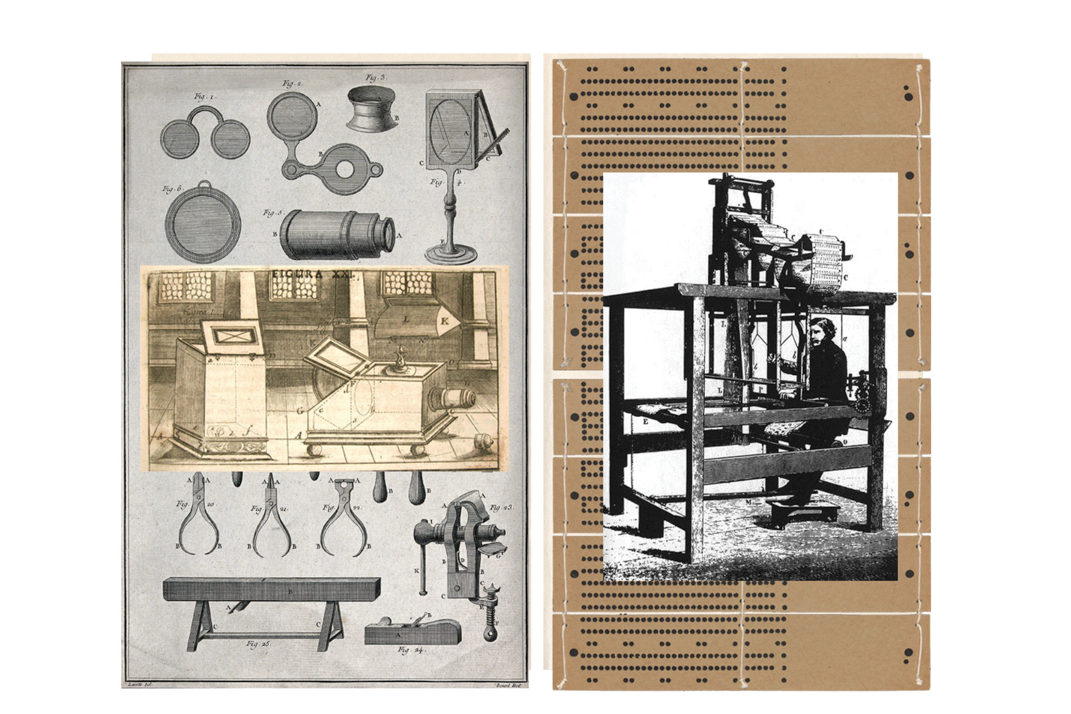
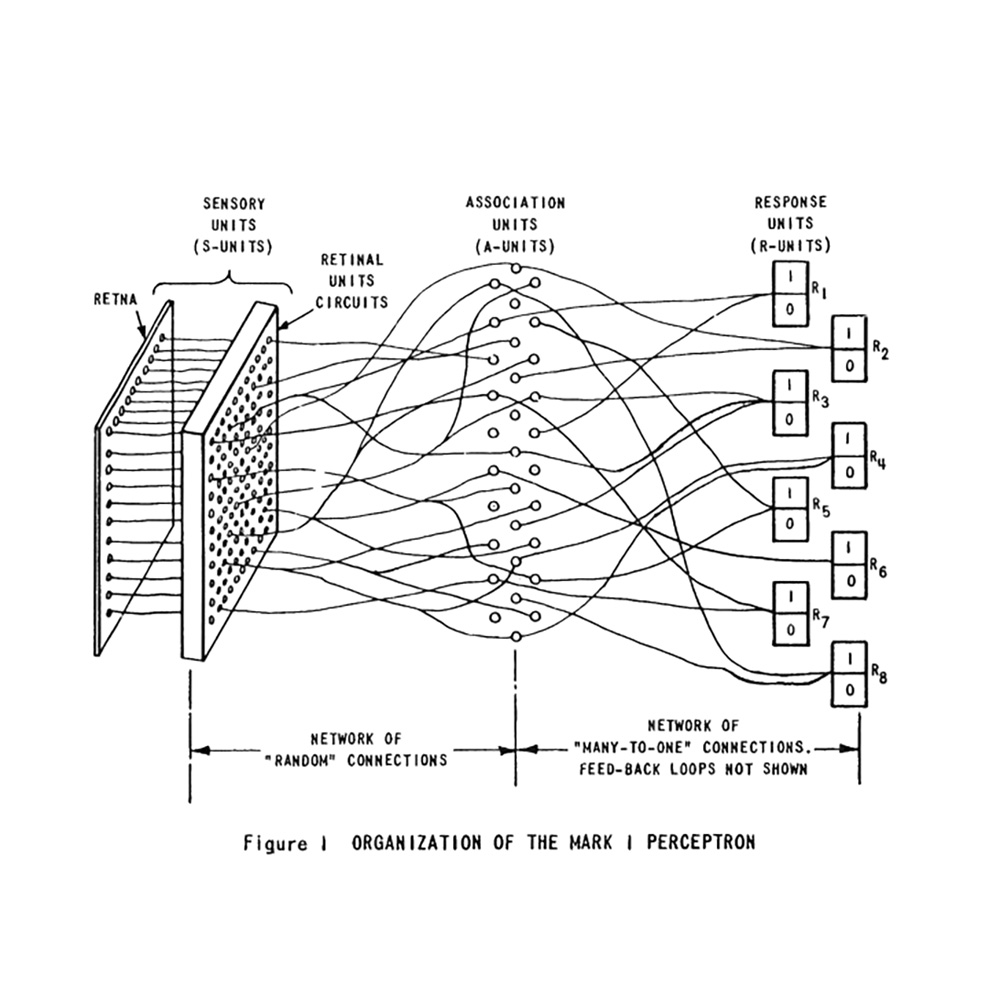
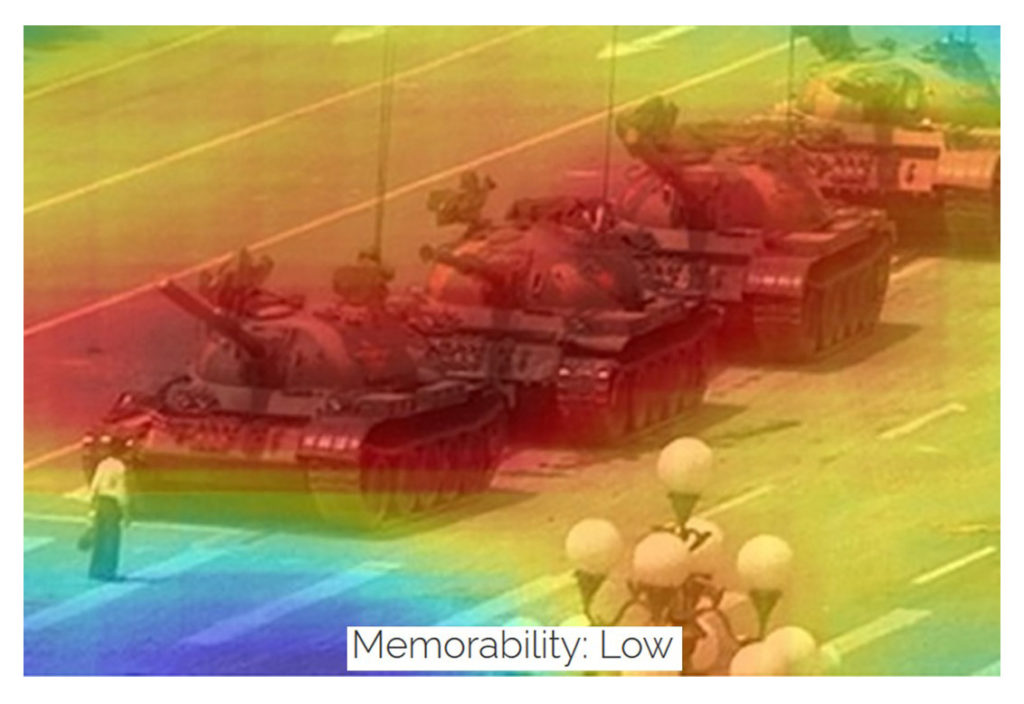
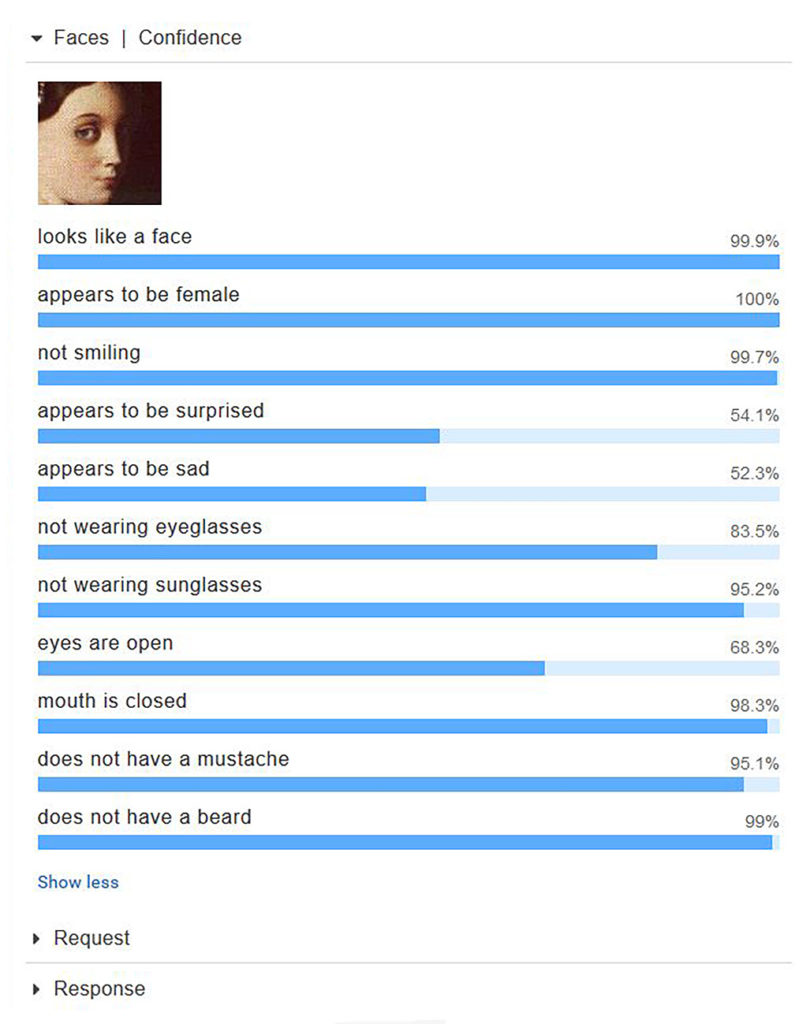
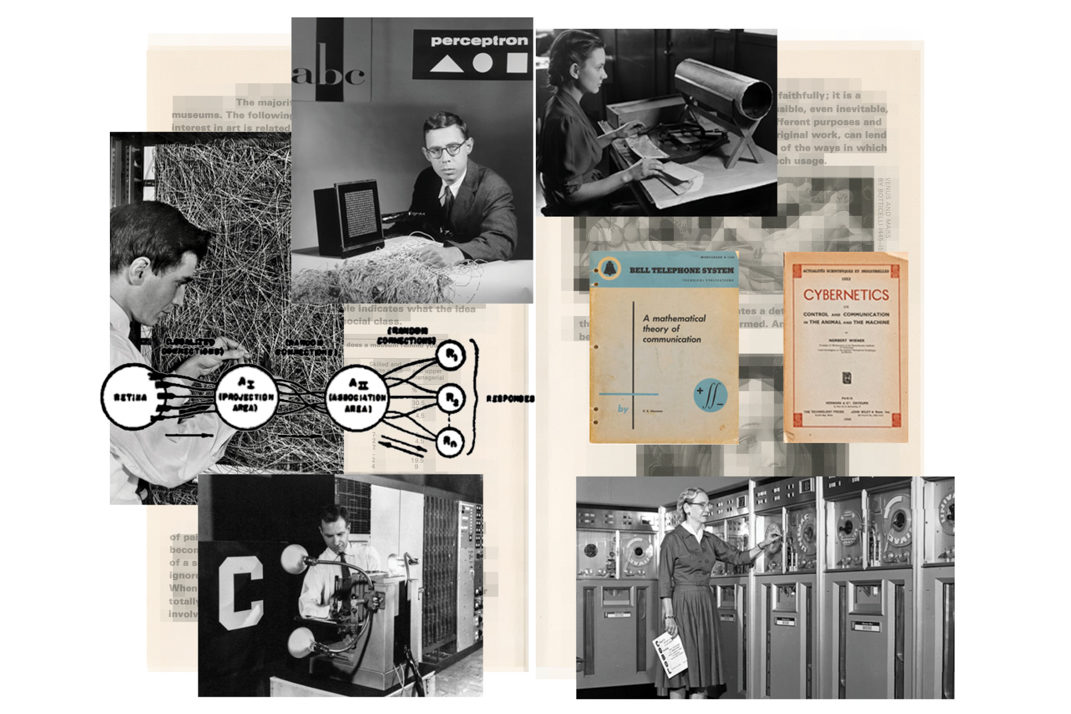
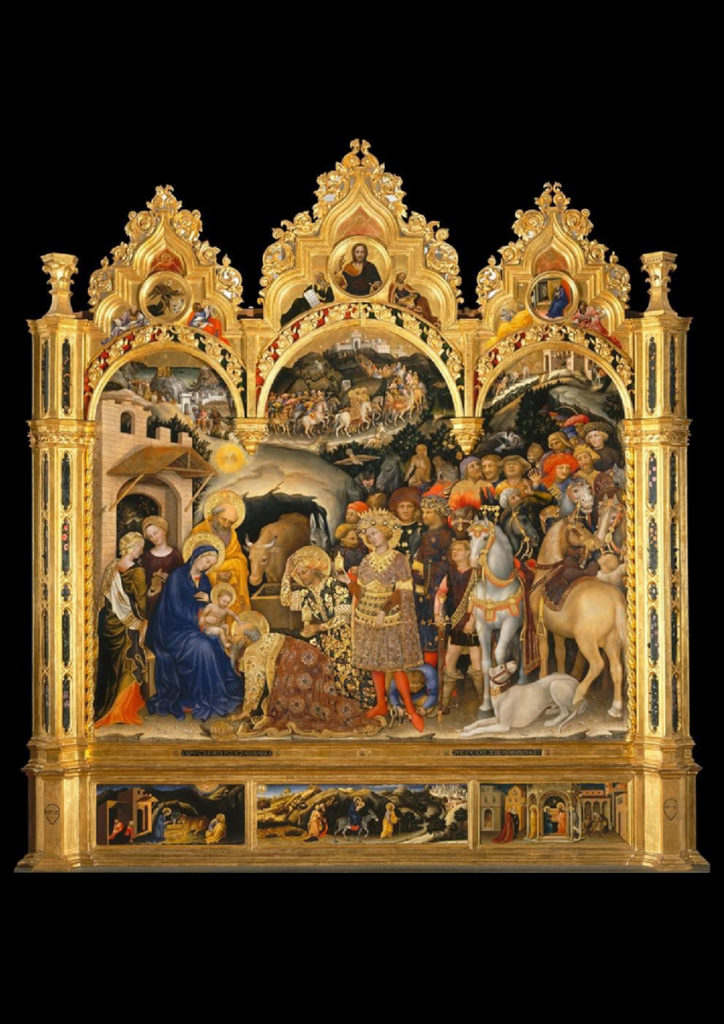
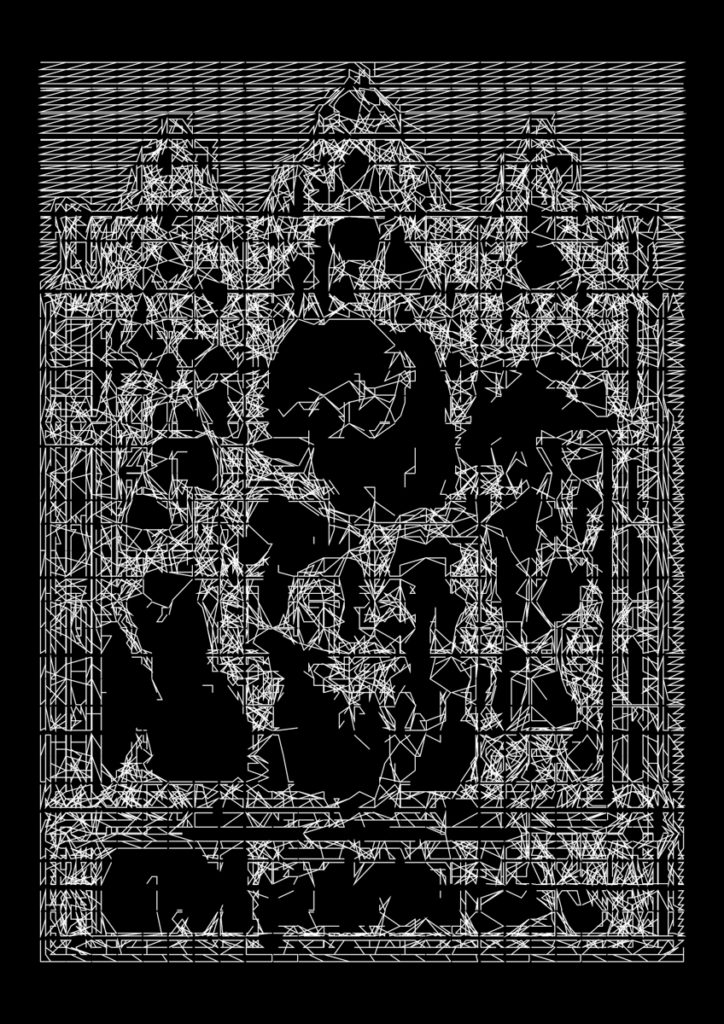
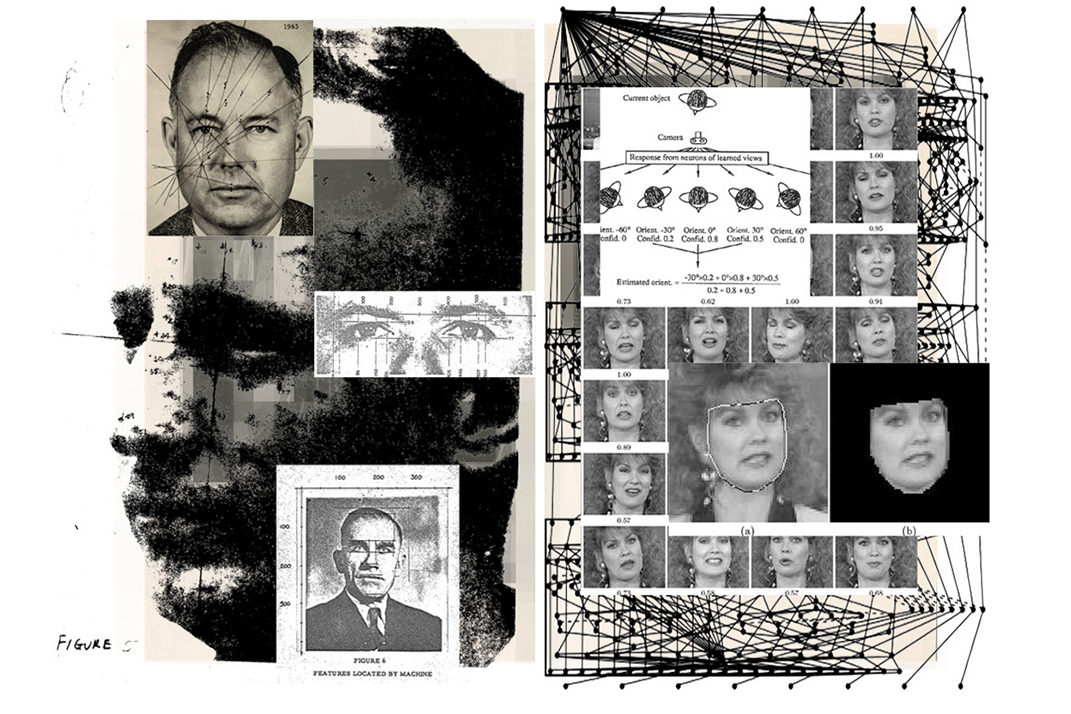
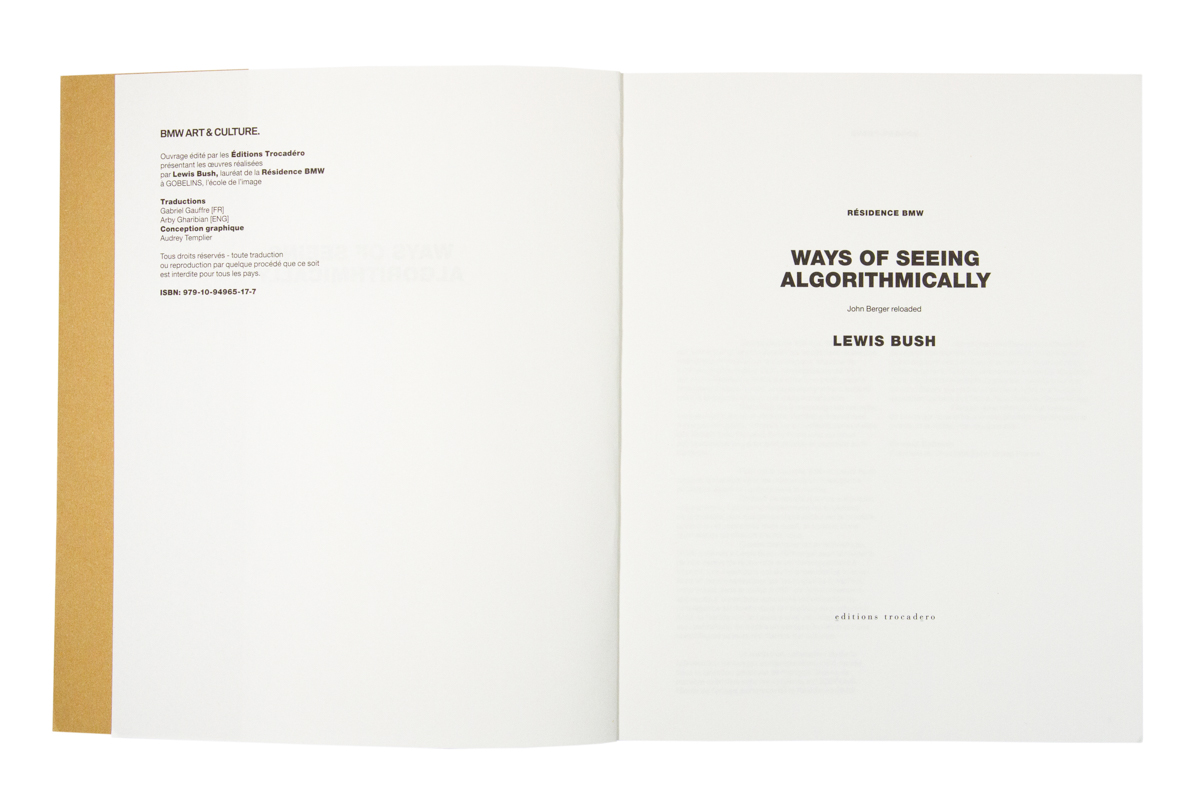
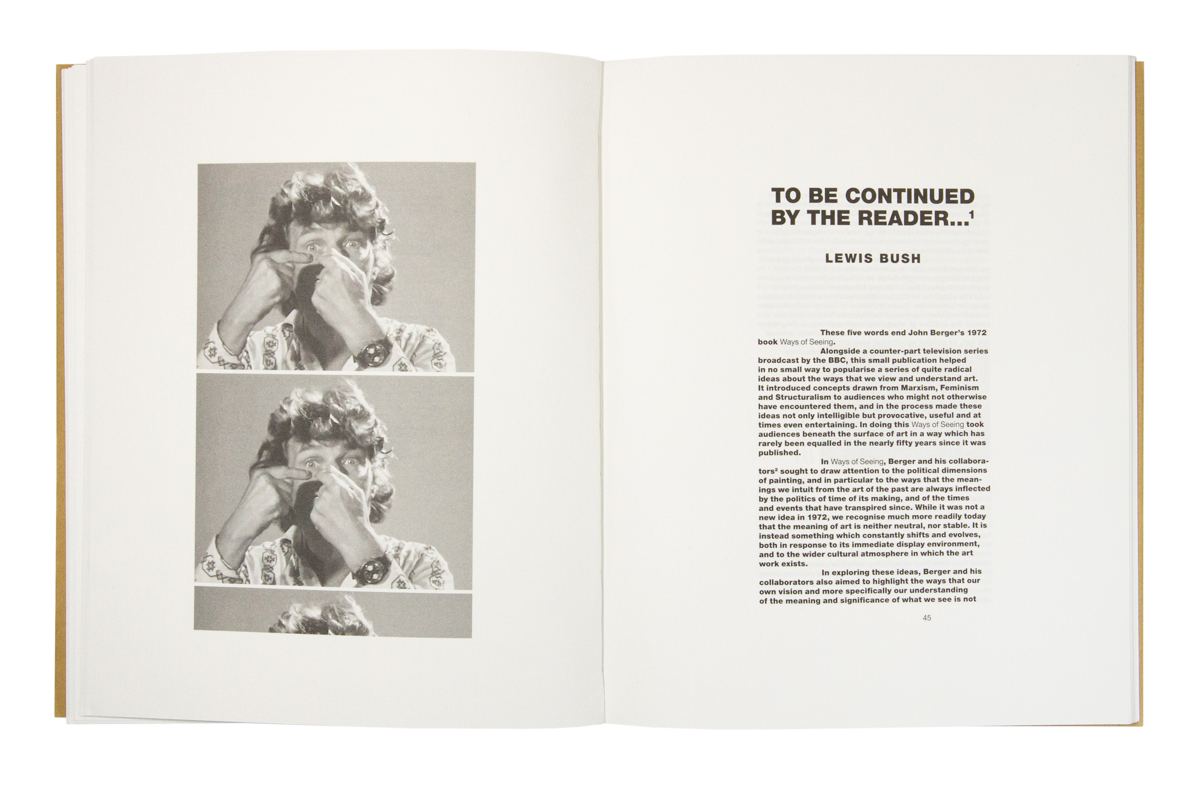
Published as an outcome of the BMW Residency 2020, this book consists of an extended essay exploring themes related to the rise of computer vision, the nature of art, and the failures of capitalism. Published by Editions Trocadero 2020, designed by Audrey Templier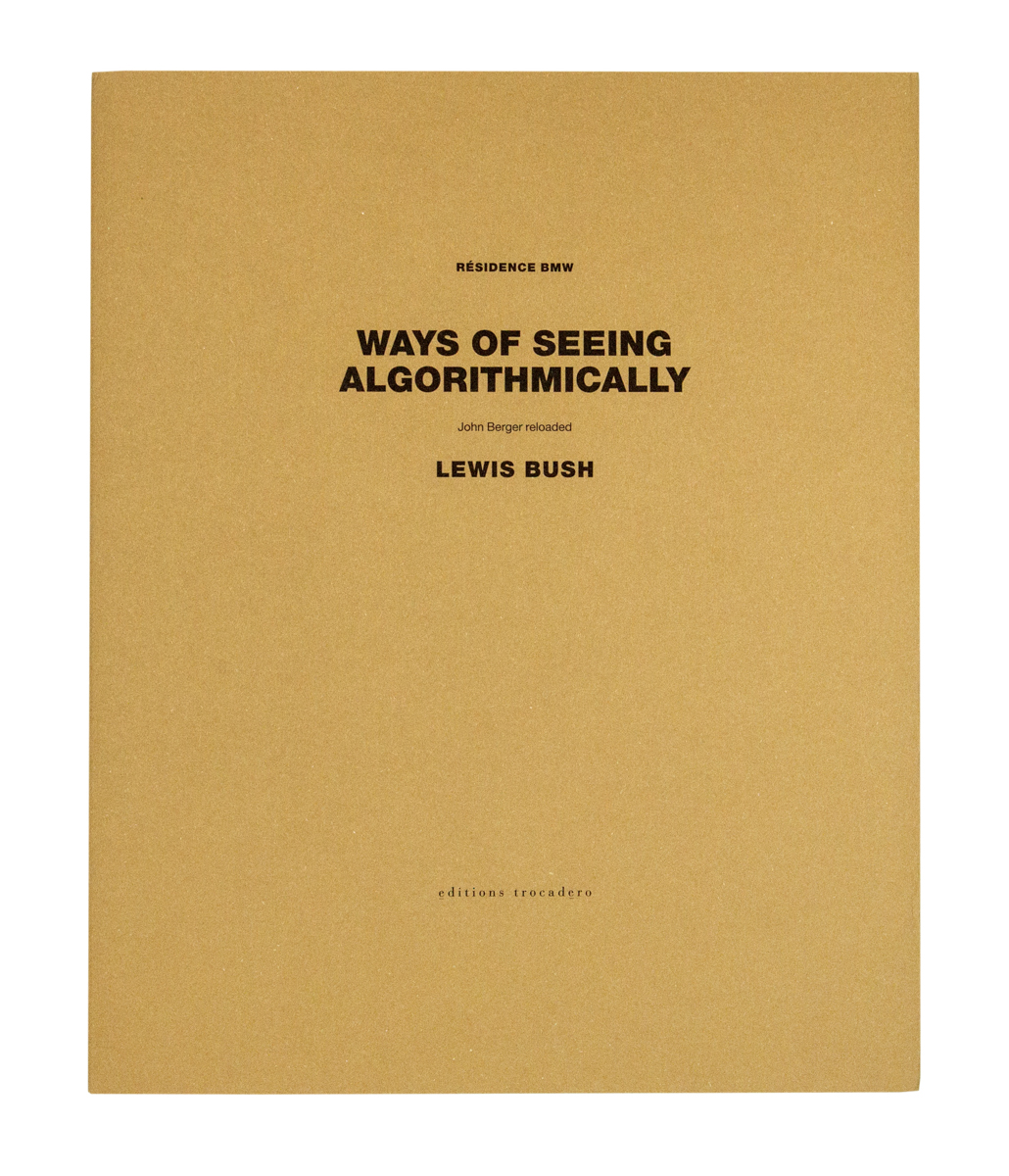


Latent Labour
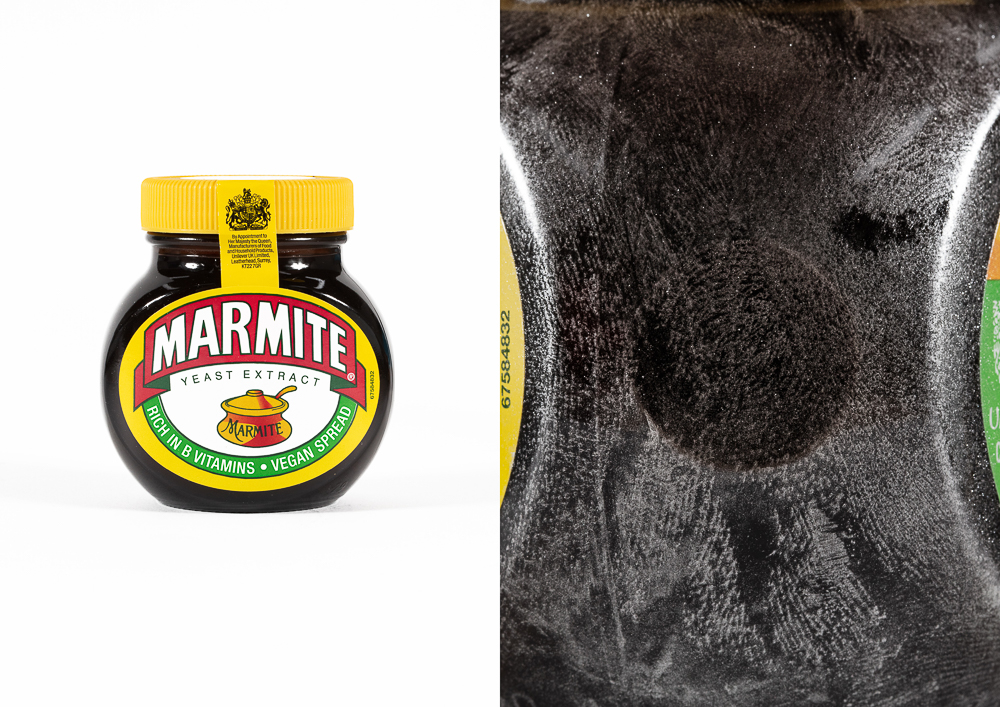
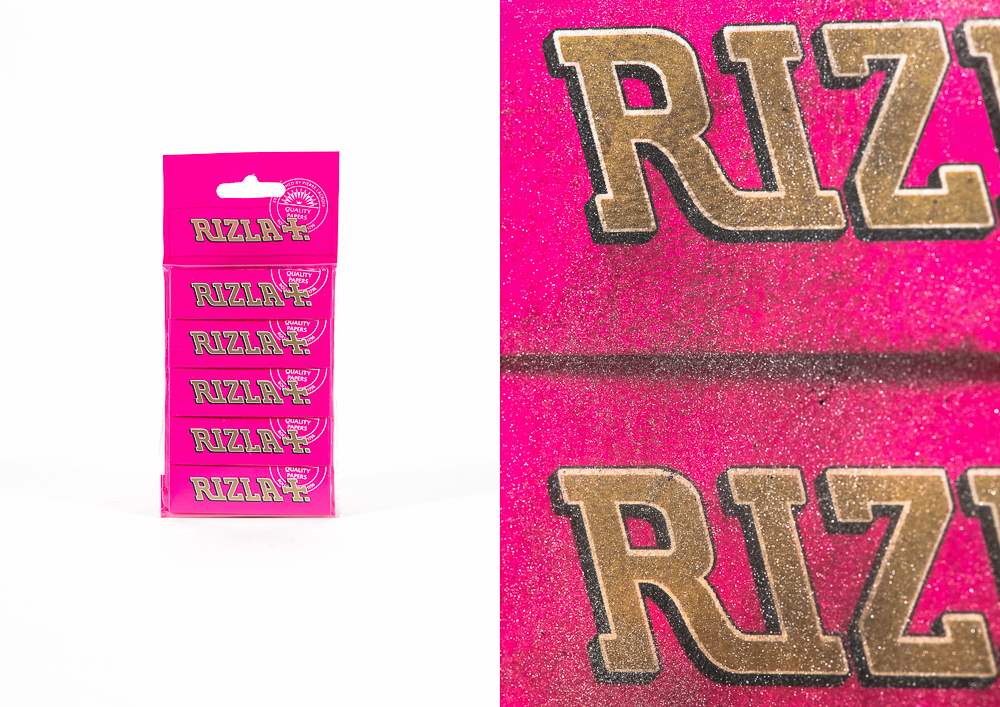
Once mundane activities now seem to carry a deadly risk. The fear, justified or otherwise, of carrying infectious residues of the Covid-19 virus into one’s home is a very real one for thousands of people, both those with underlying health vulnerabilities and those without. In response to this I began to approach shopping from the perspective of a forensic investigator.
During my weekly shop and when receiving deliveries by post, I handled everything with latex gloves, relaying these items to an improvised fingerprinting lab in my home. I then dusted these items with forensic fingerprint powders, which revealed the invisible or ‘latent’ prints of others who had handled these products at different stages between their production and delivery.
What began as an inquiry into fears about contamination has also become one about the traces left behind by the labourers who make our modern economies possible. Shop workers, parcel delivery people, warehouse workers, and the like are both amongst the most poorly paid, and also often most exposed in a time of social distancing. That vulnerability in large part stems from their invisibility to the rest of us, even when they, and their traces, are in fact right in front of our eyes.